US, CHINA WHO IS CLOSER TO RECESSION AND IS THE FED DOING THE RIGHT THING? - PODCAST #22 w/ LINH HÀ
- Impact of trade war on consumption, employment, and inflation in the US
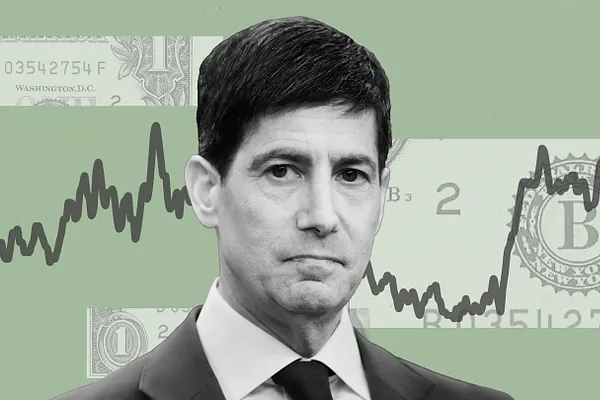
- Bond yields issue and is the FED on the right track?
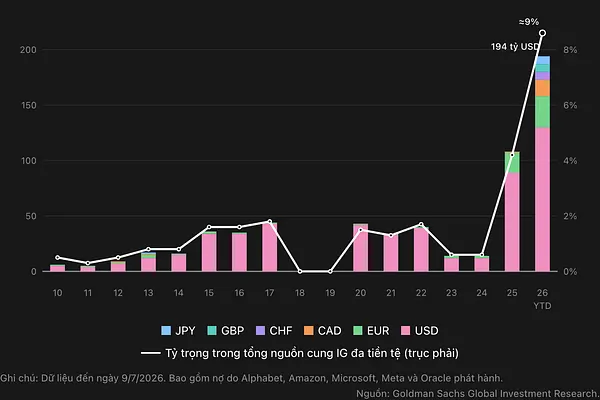
- Why is Japan wanting to abandon Yen Carry Trade?
- Is China closer or farther from economic recession?
If you missed the best recent articles:
“You can step back from a trade deal, but you can't step back from an economy that depends on it.”
- Mark Carney, former BoC Governor, new Canadian Prime Minister
Northern Fog – and New Helm in Ottawa
If the US is the giant player resetting the global chessboard, then Canada is the pawn on the edge – the first to be swept off the board whenever the position changes.
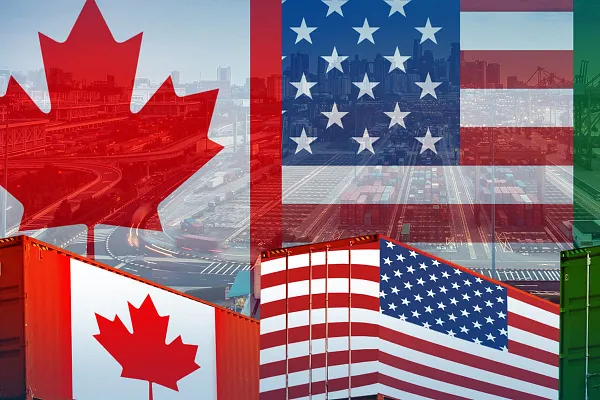
Just a few weeks after Donald J. Trump's second inauguration, the US President announced 25% tariffs on most imported goods – from Ontario steel to Québec electric vehicles, from British Columbia softwood to Nova Scotia maple syrup. The bilateral supply chain was torn apart like the old NAFTA paper. But this time, Canada doesn't just react simply – it must reshape itself.
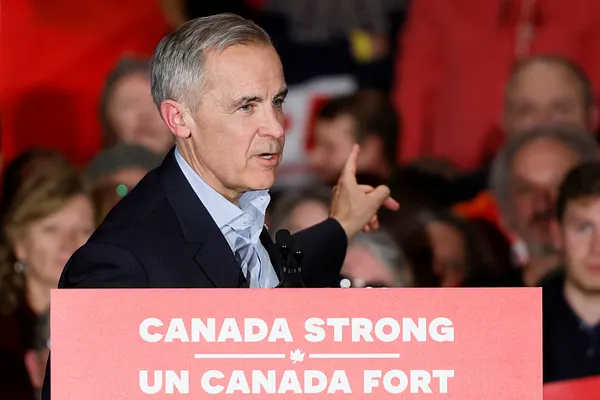
On May 15, 2025, at the House of Commons on Parliament Hill, Prime Minister Mark Carney – former leader of both the Bank of Canada and the Bank of England – presented the first budget plan of his term. The Financial Post called it a “Wartime Plan in Peacetime”: heavy fiscal stimulus to prop up the budding recession and launch a series of national industrial projects. From Toronto to Calgary, from mining to quantum AI, Ottawa seems to choose not to wait for the storm to pass – but to build itself a different ship.
On the other hand, the Bank of Canada (BoC) is in a dilemma. Overall inflation cools to 1.7%, but core CPI rises again. The 2.75% interest rate is maintained, but signs from the labor market and consumption indicate a cut could happen as early as summer. The issue is no longer “cut or hold”, but: cut early and it's seen as conceding to fiscal policy, hold too long and it strangles the economy bleeding from trade.
At the same time, the Canadian housing market – symbol of middle-class prosperity – starts to “deflate”: house prices down ~20% from peak, while 60% of mortgages are due for repricing in 2025–2026. Consumers pay down debt, government spends, exports struggle – the three wheels of the economy are spinning out of sync.
This week's Viethustle article will explore with you the “Canada 2025 scenario”, not just through data, but through strategic contradictions:
BoC – stick to policy framework or “surrender” to Trump pressure and recession?
Carney – technocratic helm bringing hopes of reform, but is there enough fiscal space and market confidence?
External economy – when the US is no longer an easy export destination, can Canada escape the giant shadow to the South?
And new economic spearheads – from lithium to AI, from SMR to clean steel – can they help this North American nation break free from passivity?