If you missed our best recent articles:
US and Japan Bond Alarm: When Oil and AI Squeeze the Long-End
250 Years of the US Economy - Part 2: The Scale Revolution (1865-1913)
250 Years of the US Economy - Part 1: Hamilton's Gamble (1776-1865)
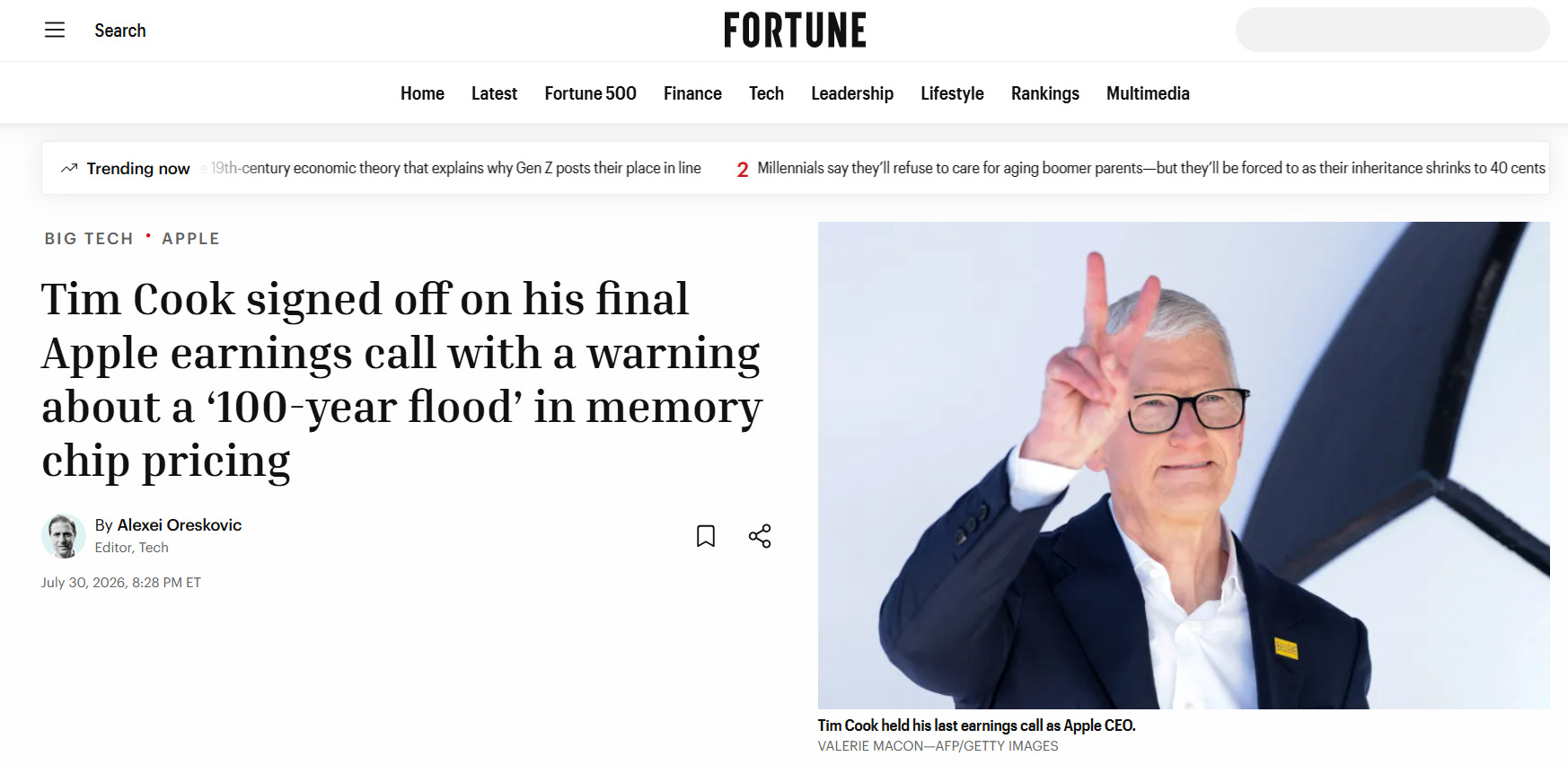
Over the past week, the world's largest smartphone and PC makers quietly did something very rare: they cut sales plans.
The reason was not a lack of buyers, but an inability to procure enough memory to build into their devices.
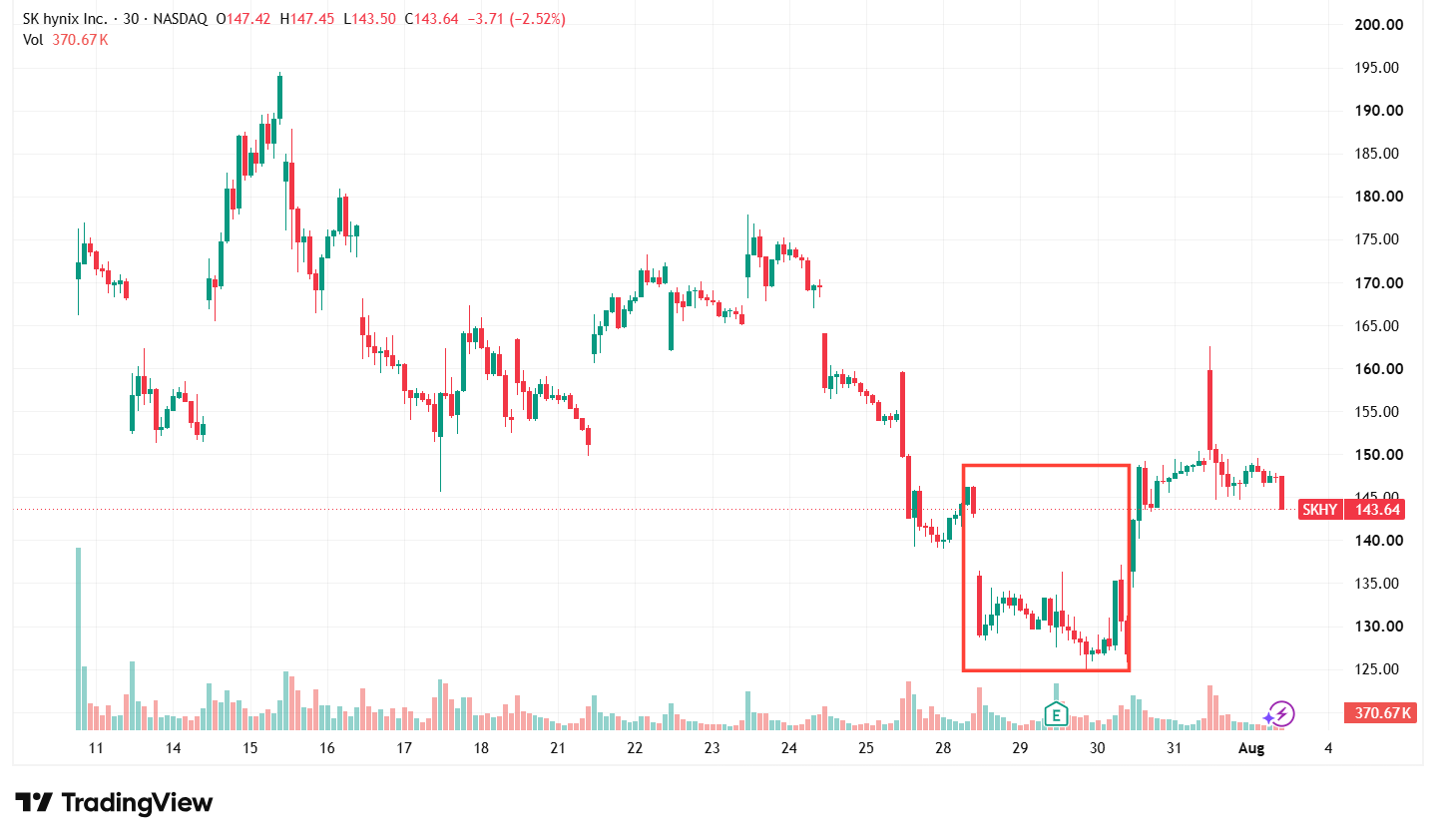
~ The paradox is: On the very day of its ER, its stock crashed nearly 10%.
A company failing to fulfill all orders
Posting the best business quarter in history
Yet suffering a crash of nearly 10%.
The three lines above cannot all be true, unless the market is pricing in something entirely different from what the business just reported.
Notably, almost the entire analyst community forecast higher profits than actuals. Only one South Korean analyst wrote beforehand that the results would fall short of consensus, explained the exact reason why, and projected profits that missed by just 0.2%.
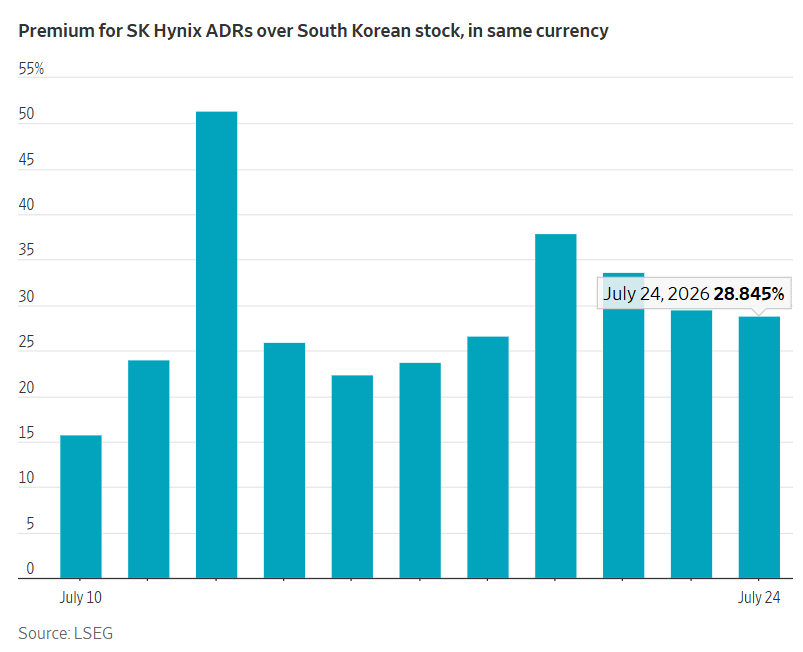
On the other hand, for the exact same SK Hynix stock, investors in Seoul and New York are paying two prices that diverge by nearly 35%. Normally, this gap would quickly disappear through arbitrage, but this time it did not - that mechanism was locked from day one.
The cause of both paradoxes actually stems from a very simple idea:
'When the memory industry transitions to a 3-5 year long-term contract structure, enterprise value will be determined by how long high profits can be sustained, rather than the pace of quarterly selling price hikes.'
The thesis of this entire issue can be wrapped up in one paragraph:
SK Hynix is no longer priced by the market as a cyclical memory company. The market is starting to value it as an AI infrastructure business with cash flows locked in by long-term contracts.
The issue is no longer whether this business is good or not, the issue is which market you are buying the business in, and how much you are paying for your ticket at the door.
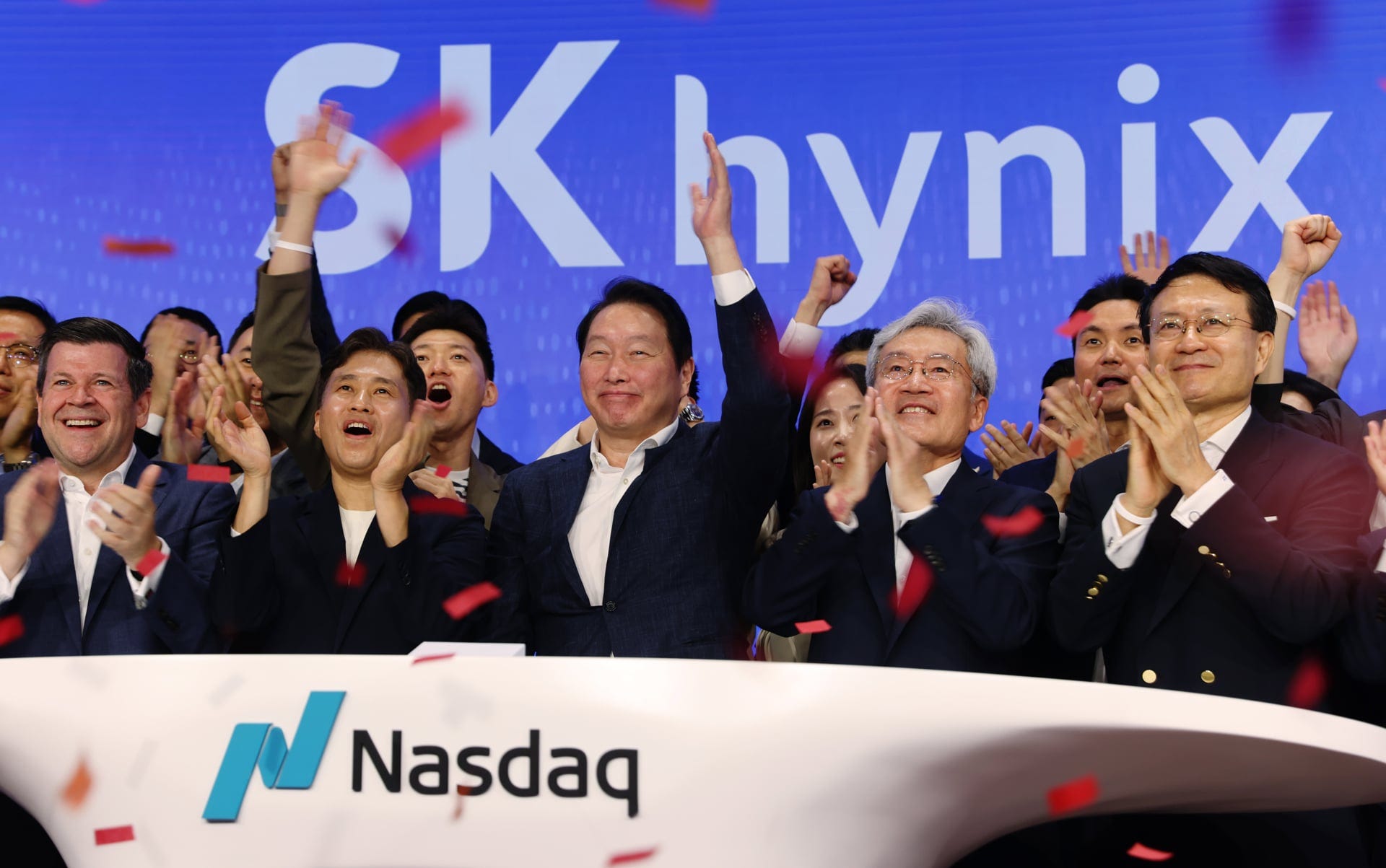
In this week's SKHY coverage piece, Viet Hustler will trace the entire story, from the historic IPO and the sell-off after a record quarter to SK Hynix's new business model and finally the most important question: how much is the stock worth?
The $26.5 billion IPO and the HBM differentiator
What did the market misprice in the Q2 ER?
Stake in Kioxia
The $750 billion pipeline - Revenue pre-sold years in advance
ADR risk - Two prices for one company
Preliminary valuation of SK Hynix
Note:
All figures in won (₩) in this article have been converted to USD using the reference exchange rate 1 USD = ₩1,442.6 (as of 08/01/2026). Figures are rounded for ease of tracking and comparison. Two Wall Street-shaking IPO explosions in just one month