If you missed our best recent articles:
The AI Token Economy, Tokenmaxxing & Physical AI Bottlenecks
6 Signals Determining the Strength of the U.S. Economy in 2026
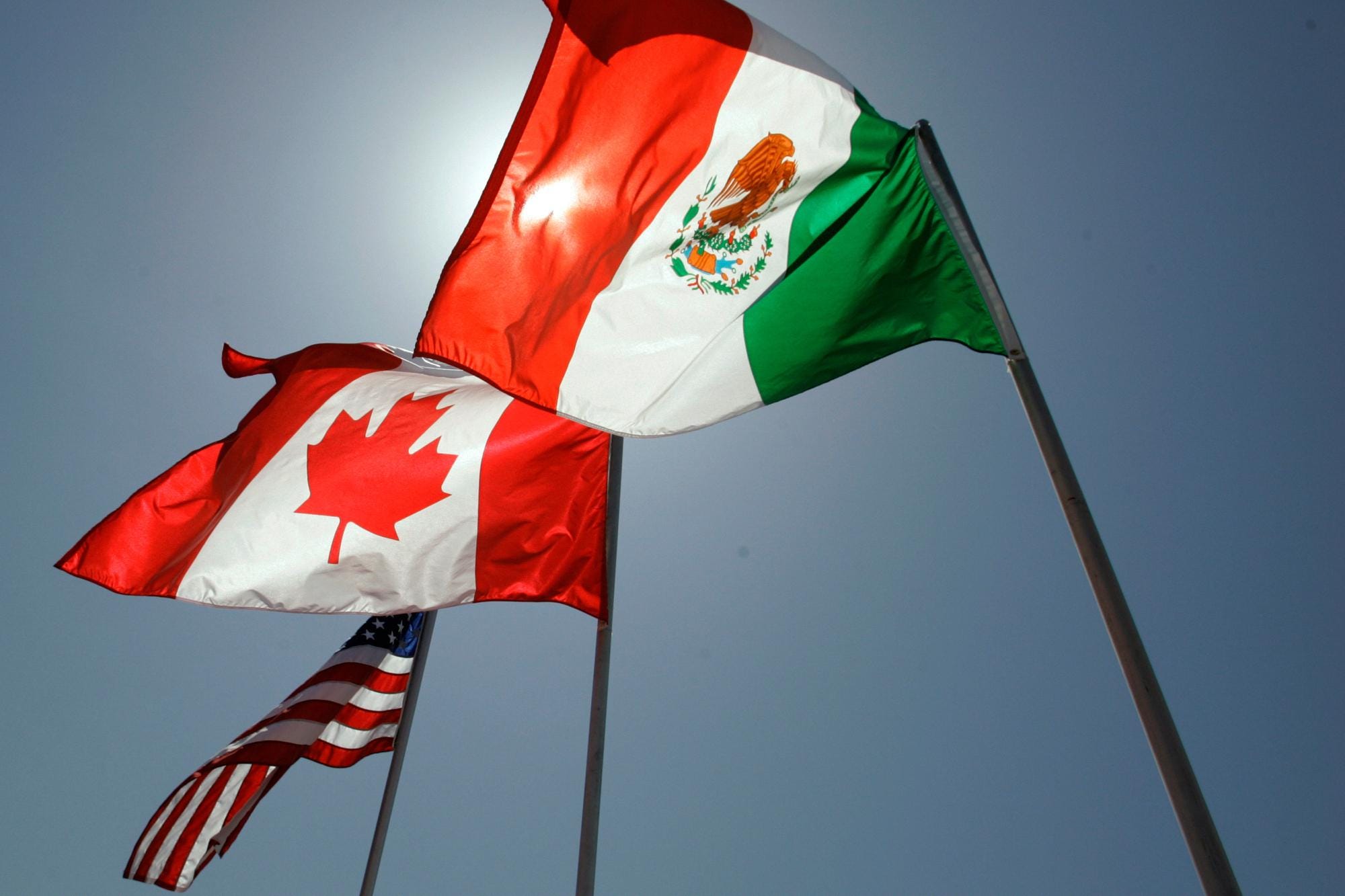
On July 1st, the three North American governments met to conduct the first review of the USMCA - the free trade agreement between the U.S., Mexico, and Canada. This review took place under Article 34.7, or the “sunset clause,” which stipulates that the agreement will be reviewed periodically and may automatically expire if not extended by all three nations.
The meeting concluded with a statement sufficient to change how the market views the Mexican economy for years to come. U.S. Trade Representative Jamieson Greer stated almost verbatim:
The U.S. does not agree to extend the USMCA in its current form. Therefore, the agreement will not be extended.
That does not mean the USMCA collapses immediately. The agreement remains in effect. But as of January 7, 2026, the countdown clock has officially started.
Over the next 10 years, the three countries will have to sit down to review the agreement once a year.
If by January 7, 2036, all three leaders have not signed an extension document, the USMCA will automatically expire.
This is particularly critical for Mexico:
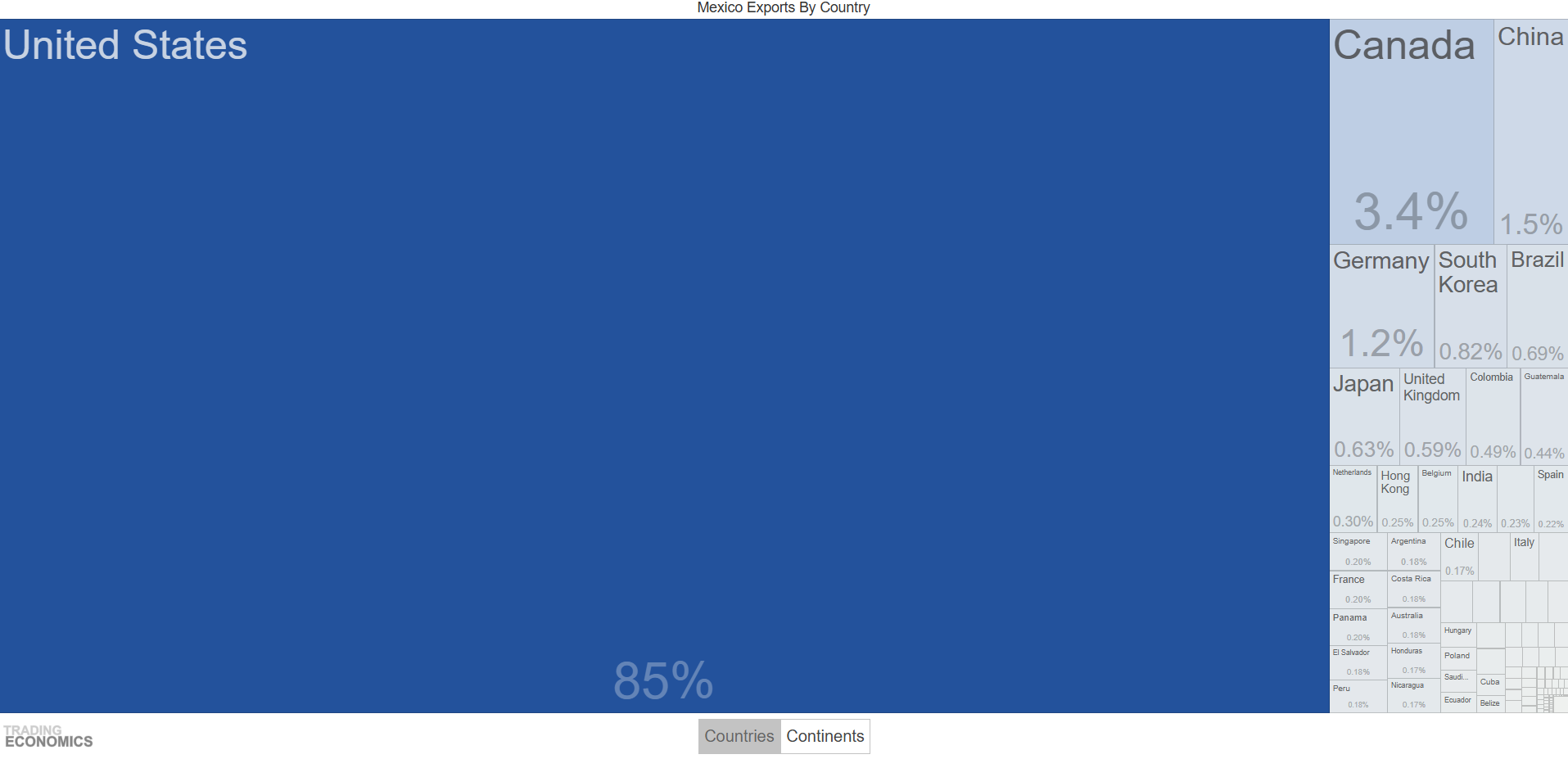
In 2025, the country exported a record $664.8 billion, of which more than 80% was directed toward the U.S. market.
Manufacturing goods exported to the U.S. alone reached approximately $535 billion.
From now on, that entire export machine operates under an agreement that already has an expiration date.
As Grupo Financiero Base noted immediately after the meeting, every annual review from now on will become “a permanent leverage tool” in Washington's hands.
Yet the market's reaction was quite calm:
The peso only fell about during the session, before recovering the very next day thanks to a US jobs report that was weaker than expected. before quickly recovering.
Mexican stocks even closed in the green, led by the banking sector.
At first glance, that is entirely understandable. The worst-case scenario - the U.S. withdrawing completely from the USMCA - did not happen.
But looking deeper, January 7 did not create a new problem. It only exposed a truth that has existed for a long time.
Mexico does not own its own growth. It rents it from the United States.
For many years, the Mexican economy has relied on three major “rental contracts”: exports, remittances, and capital inflows from the U.S. In 2026, all three of those contracts enter a phase where they must be renegotiated.
That is the real story of the Mexican economy.
In today's article, Viet Hustler will join you in analyzing the Mexican economy through 5 parts:
The economy that refuses to borrow
Three growth rental contracts
Paradox: when the state borrows instead of the people
Why Mexico hasn't collapsed - the remaining anchors
Macro scenario: who pays the price, who benefits when the “sunset” falls on the USMCA