HOW TO MAKE MONEY FROM US STOCKS IN THE AGE OF AI? - PODCAST
What needs to be prepared to build wealth and invest for the long term?
Common mistakes when first entering the market?
What strategies can keep you safe in every cycle?
How is AI changing the market?
What is needed on the path to financial freedom?
If you missed the best recent articles:
250 Years of the US Economy - Part 2: The Scale Revolution (1865-1913)
250 Years of the US Economy - Part 1: Hamilton's Gamble (1776-1865)
AI-related activity could raise inflation temporarily.
- Philip Jefferson, February 2026
An oil tanker passing through the Strait of Hormuz and a data center being built in Virginia seem to belong to two different economies. One transports the fuel of the old industrial economy; the other provides computing power for the AI economy. Yet for the bond market, both pose the same question: what interest rate must the economy pay to secure increasingly scarce resources?
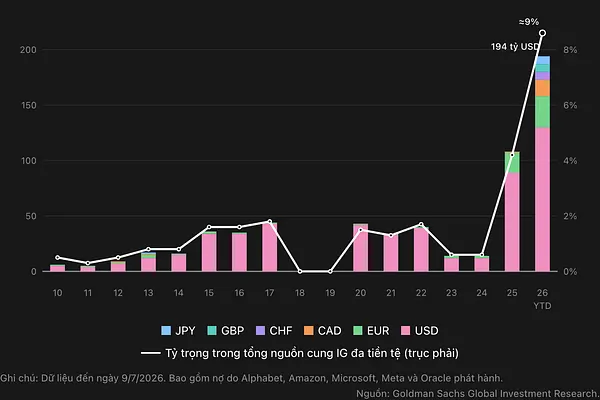
Rising oil prices make transportation, electricity, chemicals, and goods more expensive, forcing investors to price inflation risk into long-term yields. Meanwhile, the AI buildout absorbs chips, memory, transformers, networking equipment, power capacity, construction labor, and hundreds of billions of dollars in capital long before those assets generate commensurate revenue.
The two shocks operate through different mechanisms. Oil makes the same amount of output more expensive; AI increases investment demand with the expectation that the economy will generate more output in the future. Their intersection lies at the long end of the yield curve, where investors determine the necessary term premium to lock up capital for 10, 20, or 30 years.
AI is often described as a long-term deflationary force because it can raise productivity and lower costs per unit of output. That argument has merit, but it ignores the sequence of cash flows: data centers must be built before productivity materializes; electricity must be generated before tokens are processed; GPUs, memory, and cooling systems must be purchased before businesses know for sure how much customers will pay for new capacity.
In other words, the benefits of AI come later, while the demand for capital and materials comes first.
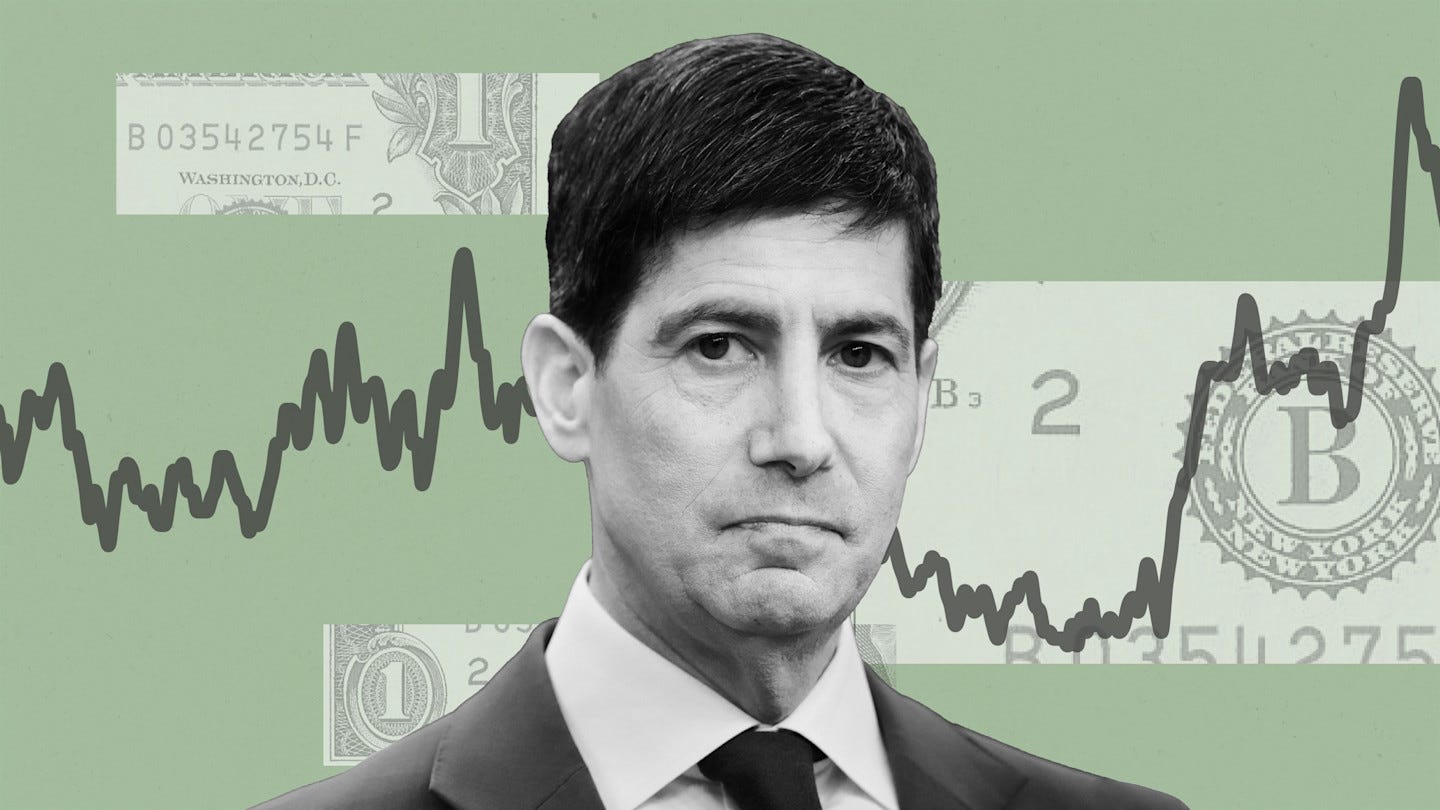
This phase mismatch emerges just as the oil shock narrows the central bank's room for easing. US inflation has picked up again, while the labor market, productivity, and investment remain strong enough to postpone recession risks. The Fed therefore faces higher price pressures, yet demand has not weakened enough to open the door to a straightforward rate-cutting cycle.
The BOJ faces an even clearer paradox. AI-related goods have become a key driver of Japan's exports, yet the economy remains deeply dependent on oil imports from the Middle East. At the same time, Japan benefits from global AI capex while suffering from rising energy prices and a weakening yen.
The question this week is therefore not just whether the Fed or the BOJ will raise or lower interest rates.
What will central banks do if the bond market needs stabilization just as both oil and AI make monetary easing dangerous?
This week's article is divided into six parts:
Part I - Two Shocks, One Yield Curve: oil increases the inflation premium; AI increases real capital demand and real yields.
Part II - Alarm at the Long End: governments, hyperscalers, utilities, and project finance are all competing for the duration budget.
Part III - The Fed: Market Stabilization Does Not Equal Rate Cuts: how to distinguish between inflation, repricing, and market dysfunction.
Part IV - Japan: AI Beneficiary, Oil Victim: exports, terms of trade, the yen, JGBs, and the BOJ's choices.
Part V - The Limits of Central Banks: which tools address inflation, which protect market plumbing, and which issues belong to supply-side policy.
Part VI - Three Scenarios for the Long End: orderly higher-for-longer, stagflationary capital squeeze, and financial accident.
The next bottleneck of the cycle may not lie in the number of chips, barrels of oil, or gigawatts of power.
AI raises the question of whether the world still has enough capital at a reasonable price to build the future.
These two questions are meeting on the same yield curve.