In case you missed our recent highlights:
250 Years of the U.S. Economy - Part 3: The Consumer Era (1913-1945)
Bessent and the BoJ: Sacrificing U.S. Treasuries to Save the Yen? (FREE)
U.S. & Japan Bond Alert: When Oil and AI Squeeze the Long End Together
250 Years of the U.S. Economy - Part 2: The Scale Revolution (1865-1913)
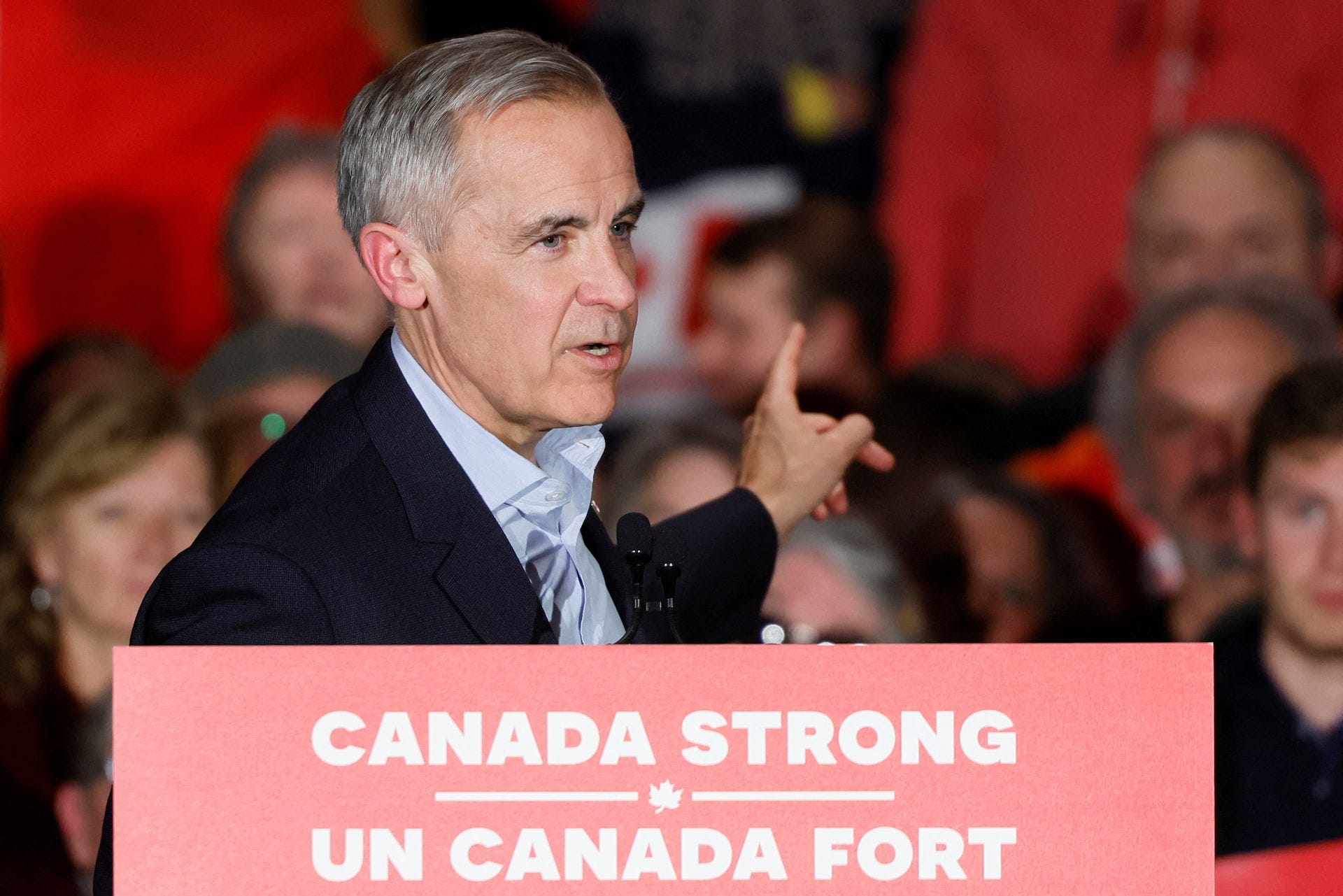
"Diversification internationally is not just economic prudence; it is the material foundation for honest foreign policy."
- Mark Carney, Davos, 20/1/2026
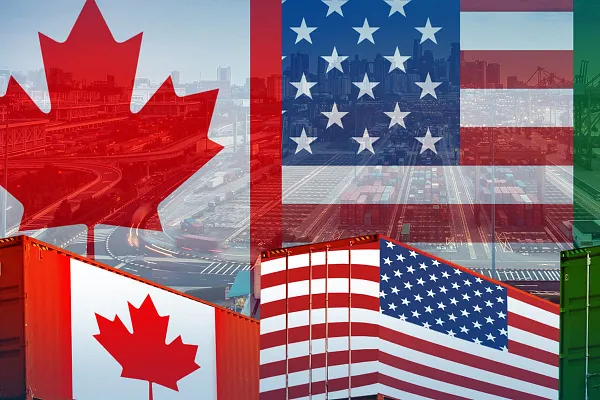
On July 1, 2026, the first six-year review of CUSMA closed without consensus to extend the agreement in its current form. The agreement did not terminate. Goods still cross borders and the three countries remain in negotiations.
But what businesses need when they build plants, sign long-term contracts or organize supply chains is not just market access today. They need to know that access will still be there when projects start to pay back.
Less than three weeks later, the White House sent another message. Washington announced tariffs 50% on nearly $20 billion of Canadian goods under Section 338 of the Tariff Act of 1930. The measures span products from autos, dairy and alcoholic beverages to chemicals, industrial equipment, cement and sporting goods.
More importantly, some goods that meet CUSMA rules of origin could still be subject to duties.
The two events create a stark contrast:
CUSMA tells businesses: build supply chains on shared rules.
Section 338 tells businesses: those rules can still be overridden by a different authority.
The issue, therefore, is no longer about any single tariff rate. It is whether access to the U.S. market remains a foundational condition for Canada's economy or has become a political variable that must be repriced after each round of negotiations.
At first glance, the balance still tilts heavily toward Washington. About 70% of Canada's merchandise exports go to the United States. Oil flows south through pipelines; auto parts cross the border multiple times before becoming finished vehicles; electricity, rail, agricultural products, financial services and capital markets are all organized around the advantage of a nearly 9,000 km land border.
No other market can quickly absorb that volume. A new port takes years to build; a tariff order takes just one signature.
That is the source of America's tactical leverage.
But bargaining power depends not only on the size of the current market. It also depends on how many alternatives the other side can deploy when relations deteriorate. On this front, Canada is no longer standing still.
The share of merchandise exports going to the United States has fallen from about 87-88% in the early 2000s to around 70%. U.S. investment in Canada has continued to rise, but it no longer accounts for nearly 70% of total FDI as it did a quarter-century ago. Agreements with Europe and the Asia-Pacific have opened new doors, while seaports, LNG, critical minerals and knowledge-based services are creating new trade routes.
Canada has not stepped out of America's shadow. But that shadow no longer covers the entire economy.
This is the central paradox of the confrontation.
Washington can use tariffs to exert pressure today because Canada cannot yet replace the U.S. market. But each time that access is wielded as a weapon, Canadian businesses gain another reason to buy "insurance": more customers, more logistics routes, more sources of capital and more ability to redirect output.
Tariffs may therefore increase America's tactical leverage in the current negotiating round while eroding its structural power in later rounds.
The question for this article is not whether Canada can "walk away" from the United States. Geography, scale and supply chains make that both unrealistic and undesirable.
The more meaningful question is:
Can Canada continue to benefit from the North American production machine while building enough alternatives to avoid having to accept every condition set by Washington?
This article is organized in five parts:
Part I - Canada Is Not Yet Forced to Sign at Any Cost: the labor market and investment still buy Ottawa time.
Part II - Diversification Has Begun, but Remains Uneven: the U.S. share is falling while energy and autos remain deeply dependent.
Part III - More Sources of Capital Do Not Necessarily Create More Capacity: FDI only has strategic value when it brings new capacity, technology and customers.
Part IV - Tariffs Are Becoming a System: the biggest risk is Washington's ability to keep switching legal instruments.
Part V - Canada's Two-Track Strategy: defending CUSMA while turning non-U.S. options into usable assets.
Carney's success, therefore, cannot be measured by whether he appears tough on Trump. It must be measured by whether Canada can preserve deals that remain beneficial with the United States while using the current window to make the economy less vulnerable to Washington's next decision.
The United States remains Canada's most important customer.
The question is whether the United States must remain the only door.