In case you missed our best recent articles:
“The economy is not an abstraction. It is a collection of living, breathing contradictions.”
The economy is not a straight line. It is a living machine where different parts can run at completely opposite tempos.
The current economy is, obviously, in one of those moments.
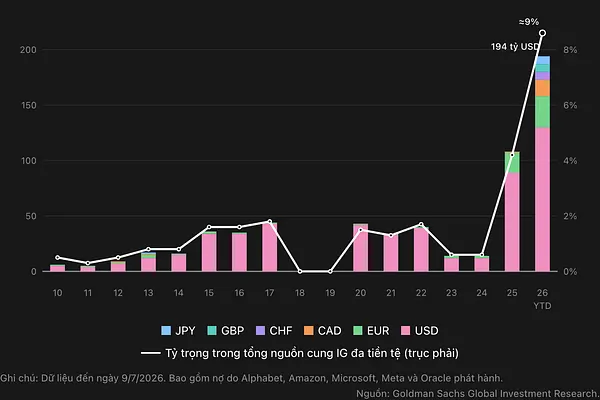
From the top down, the US still looks like an economy that is hard to beat. Factories are recovering. AI capex has exceeded $700 billion. The S&P 500 and Nasdaq are hitting all-time highs. Financial conditions are even looser than before the Fed began its tightening cycle. Corporates are still generating profits, issuing debt, and investing in data centers, chips, electricity, cooling systems, and infrastructure for a new AI era.
But from the bottom up, the picture is much less smooth.
Input prices remain hot. Service costs are ticking up. Freight and boxboard have stopped falling. Manufacturing is producing more but hiring less. Reshoring has not yet translated into jobs. Workers are hesitant to quit. Real credit flowing to households and businesses remains weak. And the Fed, despite keeping interest rates in restrictive territory, is watching asset markets ease on their own before inflation has truly disappeared.
This is the central paradox of the current US economy:
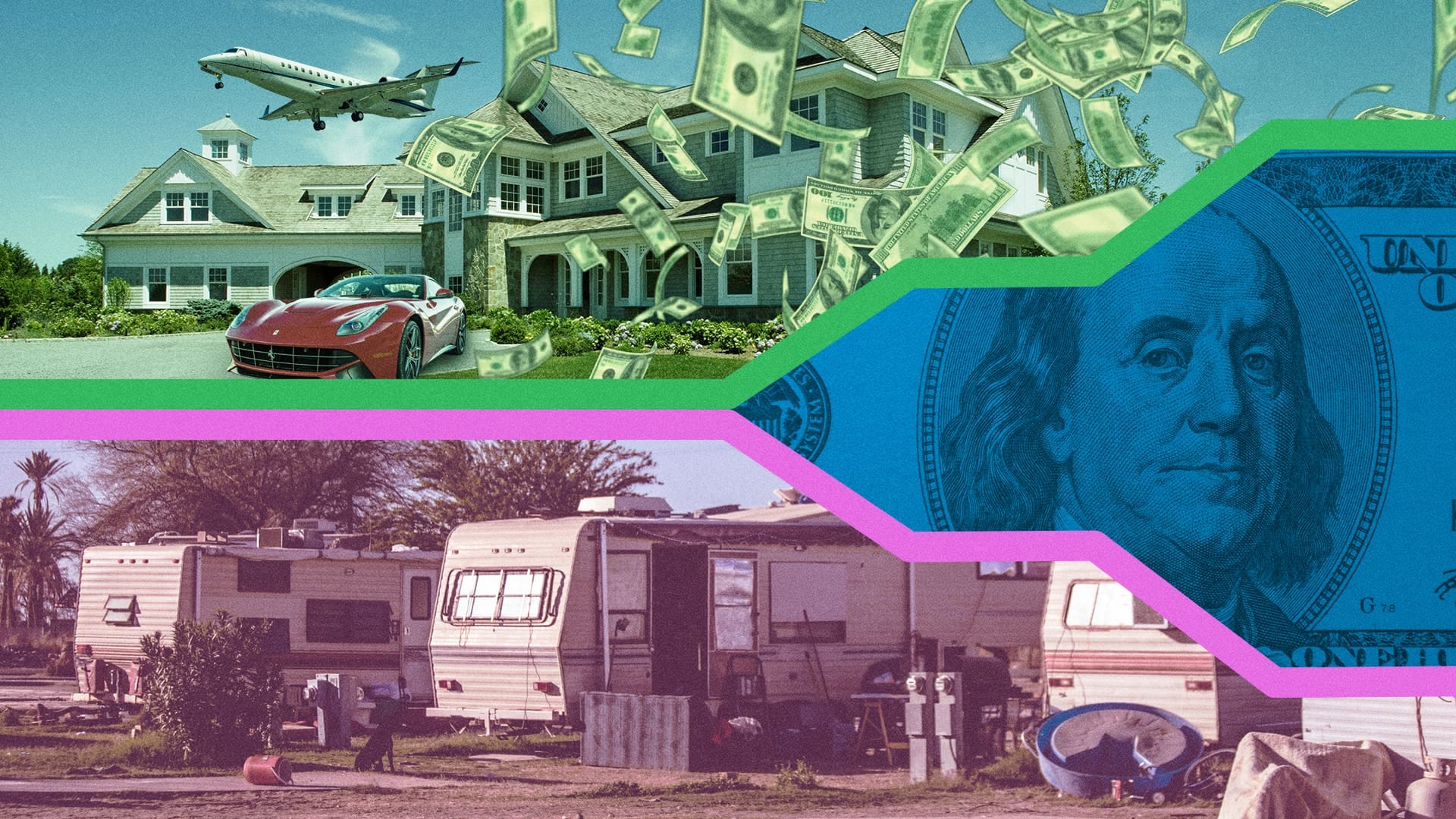
The upper tier of the economy is very strong - AI, earnings, equities, capex, financial conditions.
But the lower tier is under more strain - costs, labor, credit, logistics, and household sentiment.
The question is no longer simply: "Will the US enter a recession?"
The more accurate question is: Will the upper tier be strong enough to pull the entire economy forward - or will the lower tier start to crack first?
The six charts in this article are not six discrete pieces of data. They are six slices, which I have selected, of the exact same story: an economy being propped up by AI and asset markets, while its physical and labor segments are flashing less comfortable signals.
Part I - Inflation is not dead yet: manufacturing is recovering, but input prices in both manufacturing and services are heating up again.
Part II - $700 billion AI capex: America's biggest anti-recession engine, but also a massive bet on future productivity.
Part III - Manufacturing renaissance is not creating many jobs: reshoring may be happening in capex and politics, but it has not yet truly shown up in payrolls.
Part IV - Frozen labor market: workers are not facing mass layoffs, but they no longer have enough confidence to quit.
Part V - Boxboard and freight: inflation is not just in oil or CPI, but is quietly returning in boxes, pallets, and freight contracts.
Part VI - Financial conditions are too loose: Wall Street is being lifted by equities, credit spreads, and AI optimism, while Main Street still lacks real credit flow.
The purpose of this article is not to prove that the US economy will definitely enter a recession. Nor is it to say that AI is just a bubble.
The more important point is: the US economy in 2026 is not weak in the traditional sense, but it is not healthy in a simple way either.
It is an economy that can simultaneously grow and reflate. It can invest heavily while hiring weakly. It can have a stock market hitting record highs while workers play defense. It can have very loose financial conditions alongside very weak real credit.
And that is the kind of environment where investors are most prone to making mistakes: because headline data looks good enough to ignore risks, while the smaller pipes underneath have already begun to rattle.
If 2023–2024 was a story of disinflation and a soft landing, then 2026 is posing a much tougher question:
What happens if the US does not fall into a recession - but can no longer return to a world of low inflation, flexible labor, and cheap money like before?