If you missed the best recent articles:
Oscar Health: Amazon of the Insurance Industry And x100 Potential?
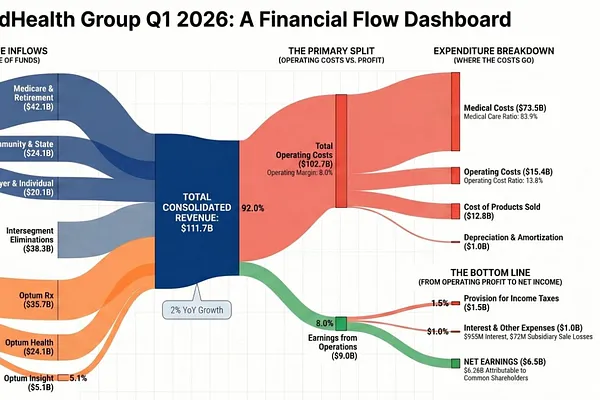
UnitedHealth: Should You Be Greedy When Everyone Else Is Fearful?
Figma has officially filed for IPO, becoming one of the most anticipated names in the recent tech IPO wave.
From a browser-based UI design tool, Figma quickly became the backbone for millions of designers and developers, reshaping how digital products are built.
But the product is just the tip of the iceberg. The newly disclosed S-1 filing shows: Figma is not just a good tool - but a good business.
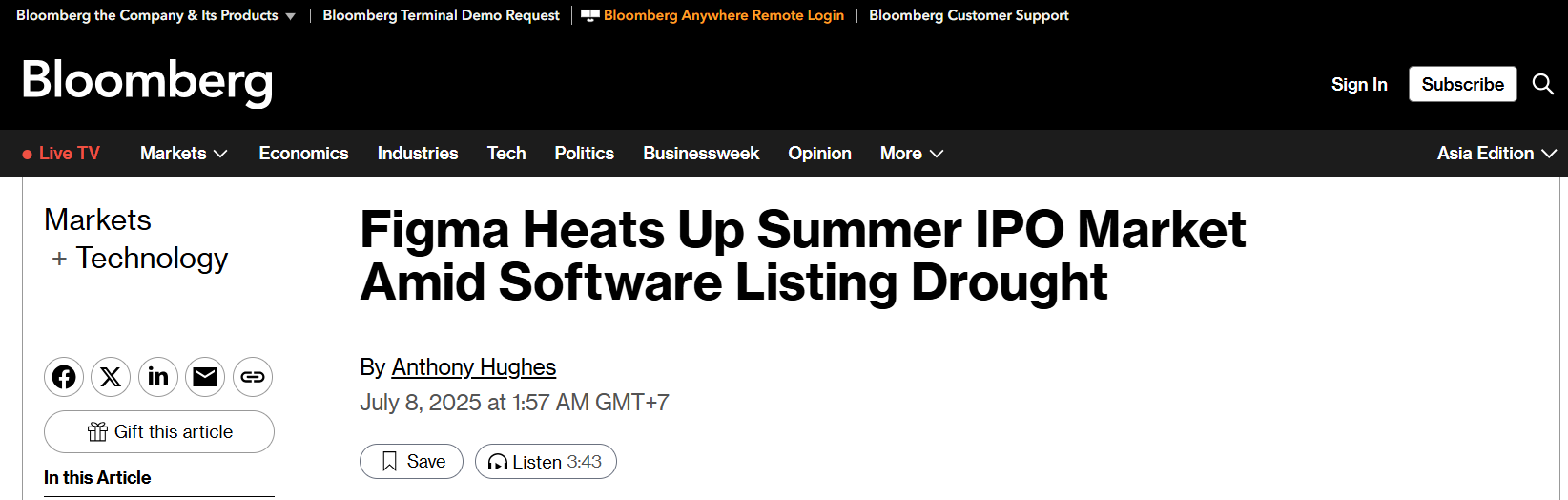
The canceled deal between Adobe and Figma in 2022 is the clearest evidence. The $20 billion valuation seemed sealed, but ultimately failed due to antitrust investigations in the US, UK, and EU.
Adobe was forced to pay a $1 billion breakup fee.
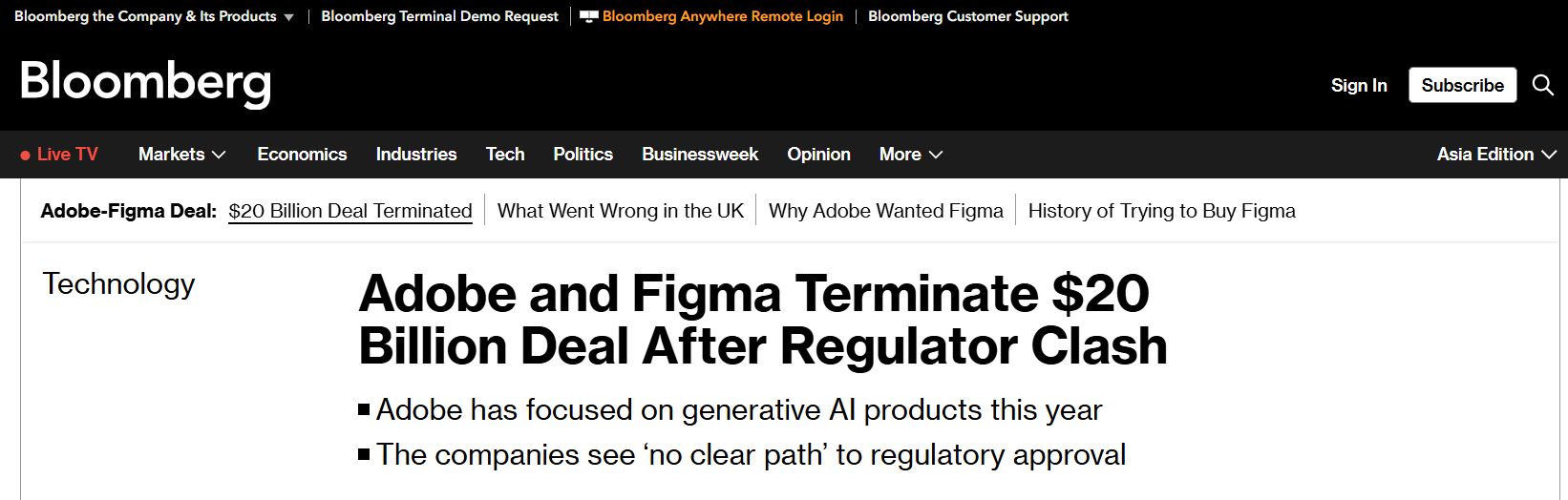
Now, Figma is aiming to achieve a $20 billion valuation on its own - and the current numbers show they have the foundation to do it:
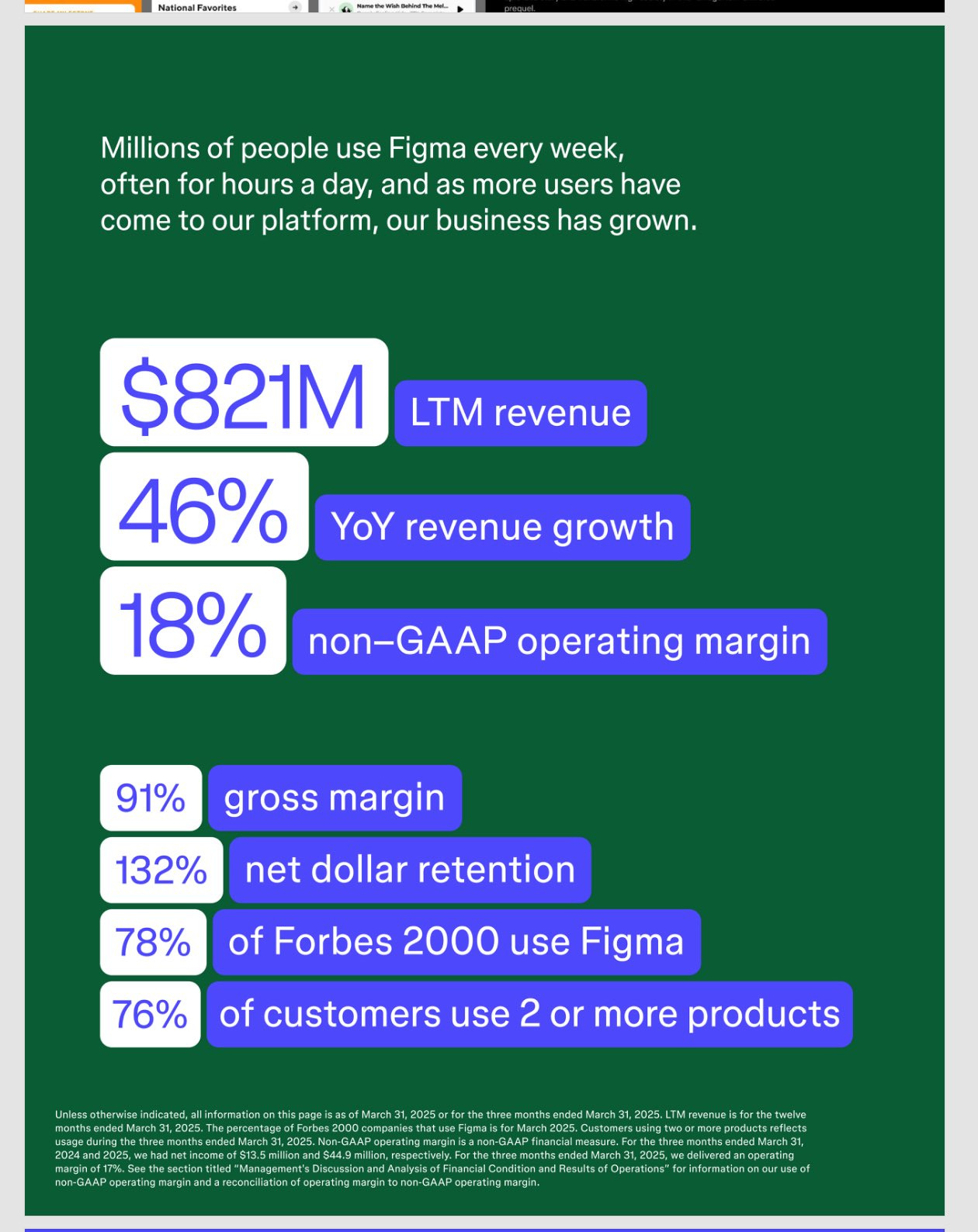
$749 million revenue FY24, up 48% Y/Y
Over 1,000 customers paying over $100,000 per year
95% of Fortune 500 using Figma
13 million monthly active users, and notably, 2/3 of them are not designers
91% gross margin, 132% net dollar retention, $1.5B cash, no debt
From a browser-based design tool, Figma is gradually evolving into a comprehensive product platform for modern enterprises.
In today's article, Viet Hustler will dive deep with readers into Figma's business model, financial strength, and investment prospects - one of the most impressive growth SaaS companies of the past decade.
Overview of Figma
Origin Story & Leadership Team
Fundraising Journey: Continuous Acceleration, Attracting Capital from Top-Tier VCs
Overview of Figma's Products
Figma's Business Model
Competitive Advantage Analysis
Financial Health Analysis
Figma's Future Prospects
Risks and Challenges
Valuation and Independence Challenge
Would selling to Adobe have been a "better" choice?