If you missed the best recent articles:
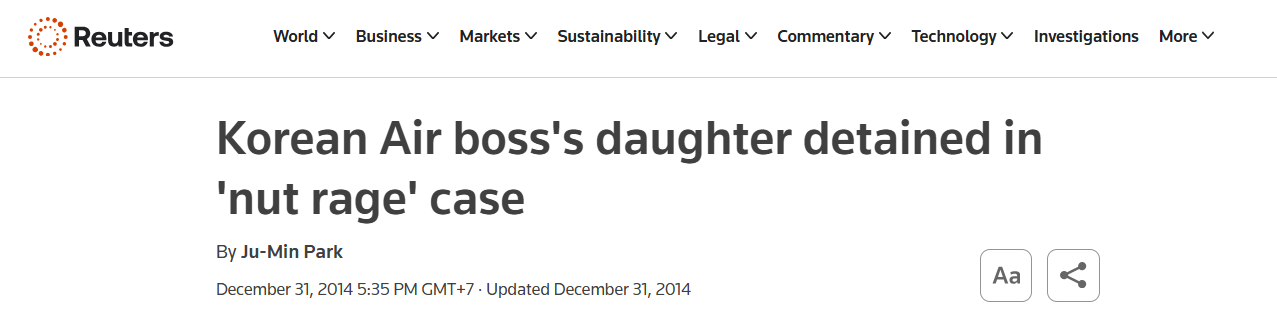
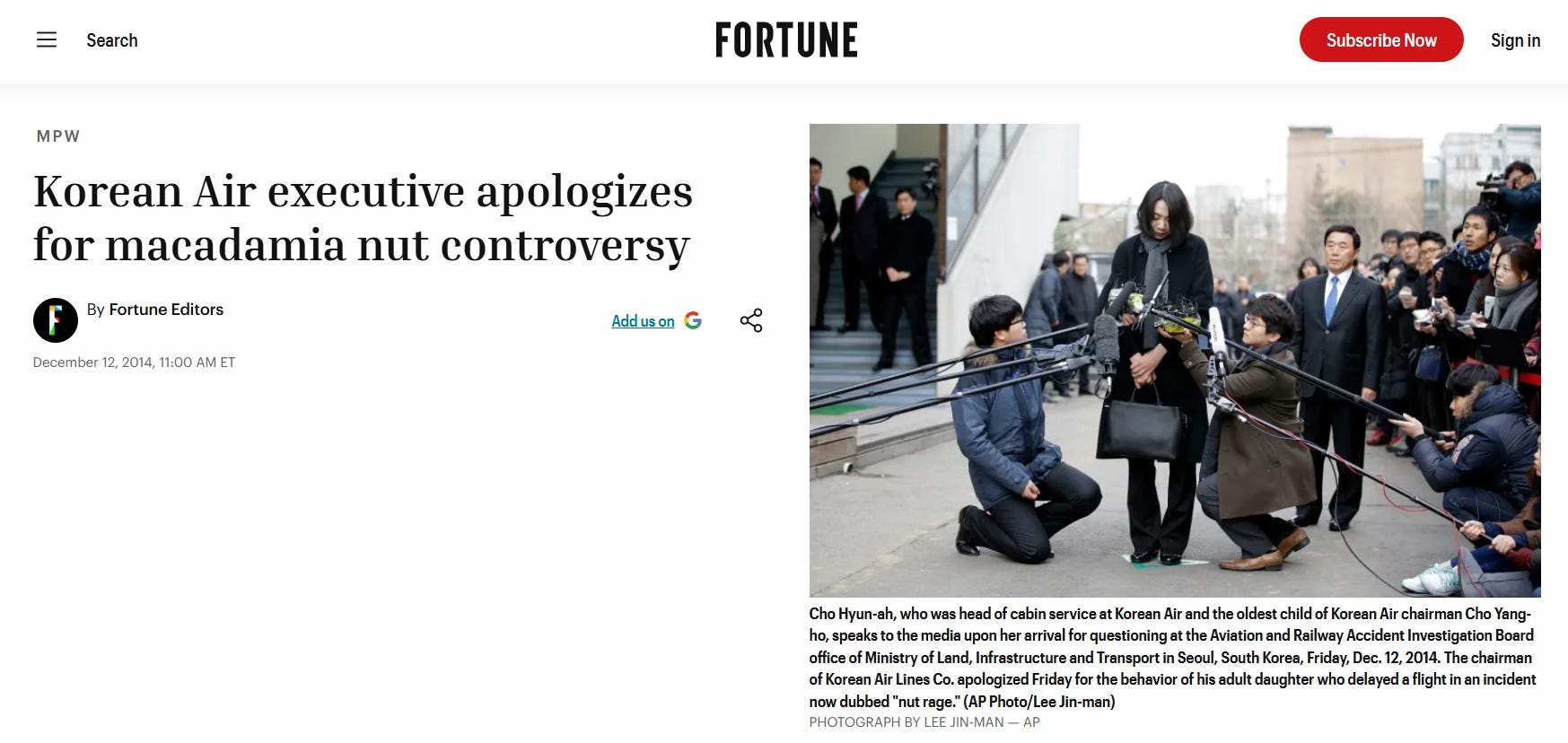
In December 2014, a Korean Air flight en route from New York to Seoul suddenly turned back to the gate.
Not due to technical issues. Not due to weather. But because… a bag of macadamia nuts.
In first class, Heather Cho – daughter of Korean Air's Chairman – got angry because the nuts weren't “served on a plate” properly. She screamed, berated the flight attendant, forced the purser to kneel and apologize in front of passengers, then ordered the pilot to turn the plane around and leave the attendant in New York.
A bag of nuts was enough to delay an international flight.
A personal order was enough to override aviation procedures.
Koreans have a word for this phenomenon: Gapjil – the abuse of power by those in the “upper position”, tacitly accepted by society as commonplace.
And the macadamia nut scandal wasn't the only case.
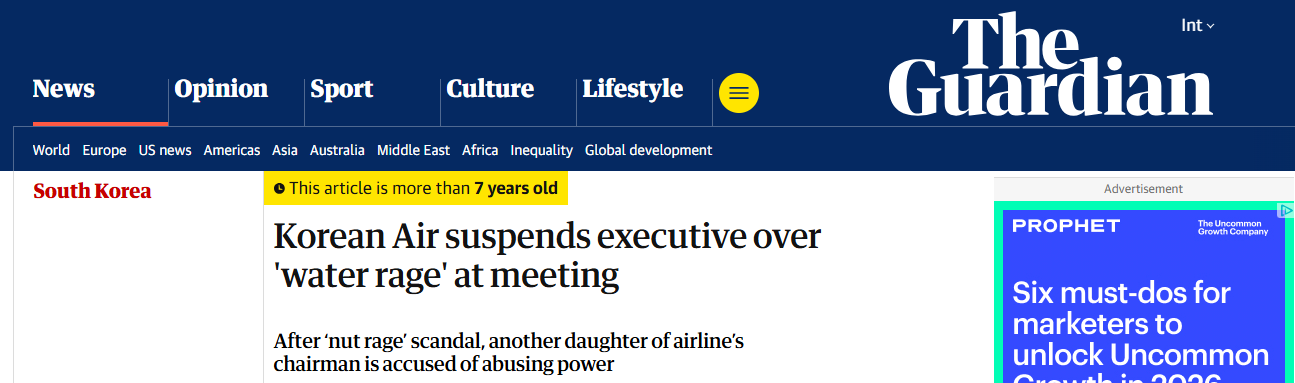
In 2018, Heather Cho's sister threw a drink straight in the face of an advertising director during a meeting.
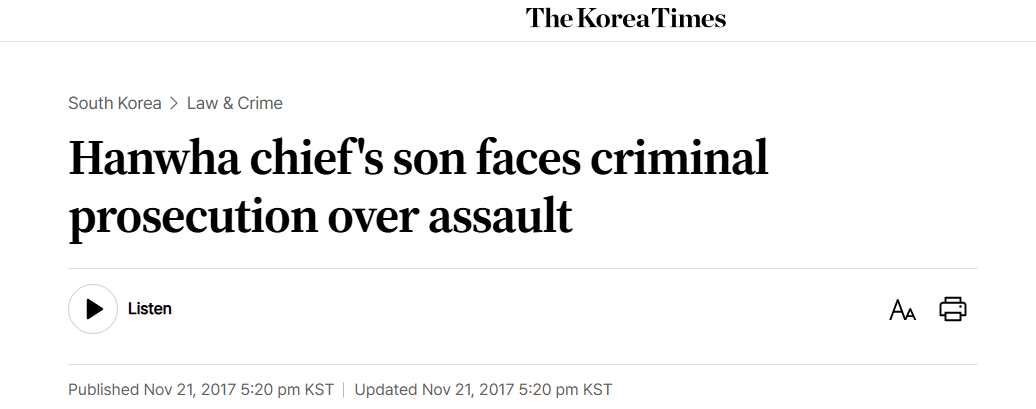
In 2017, Kim Dong-seon – heir to Hanwha – hit a bar employee over the head with a whisky bottle.
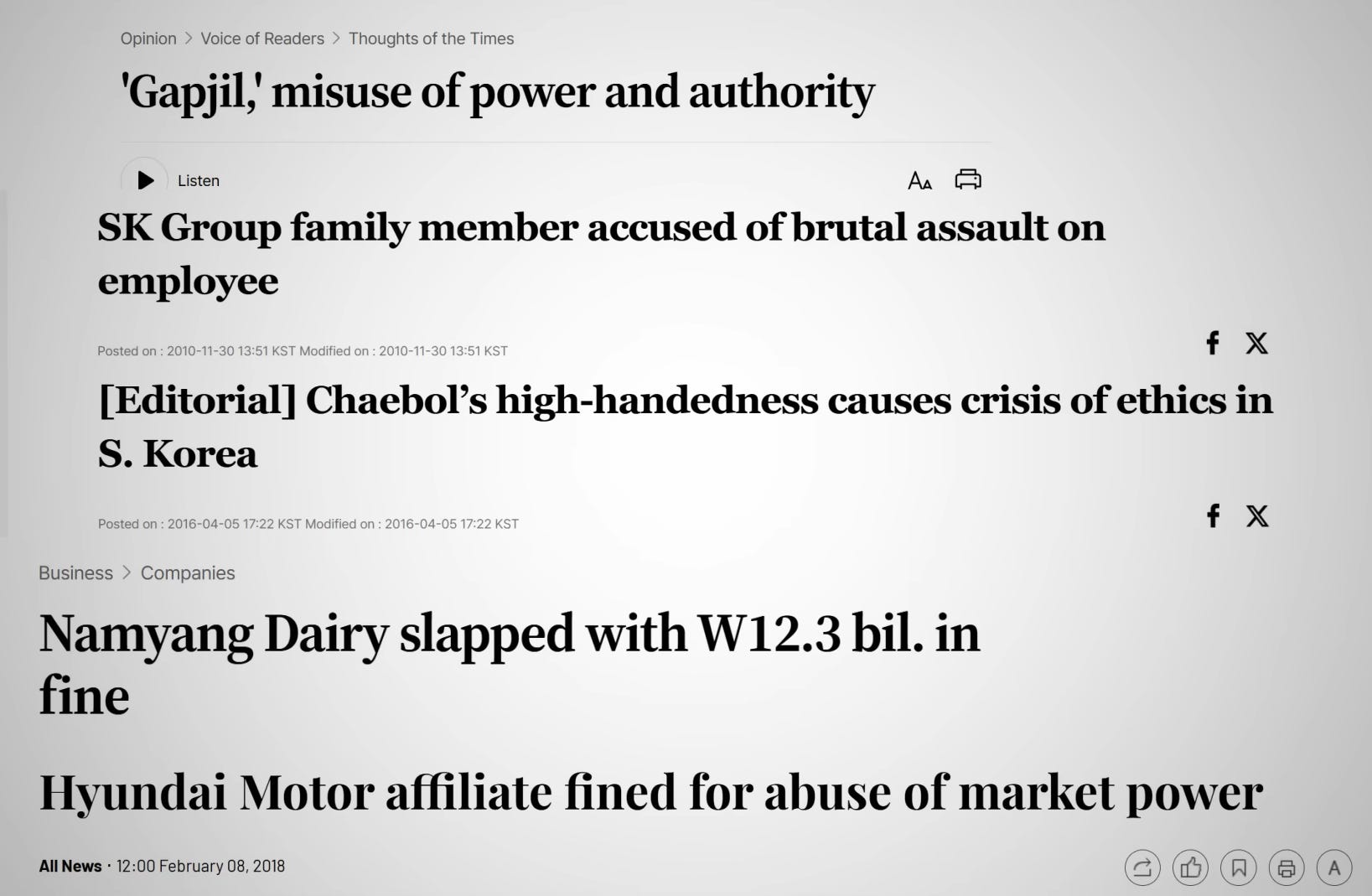
Cases of drunk driving, assaulting employees, financial scandals, preferential loans… continued year after year.
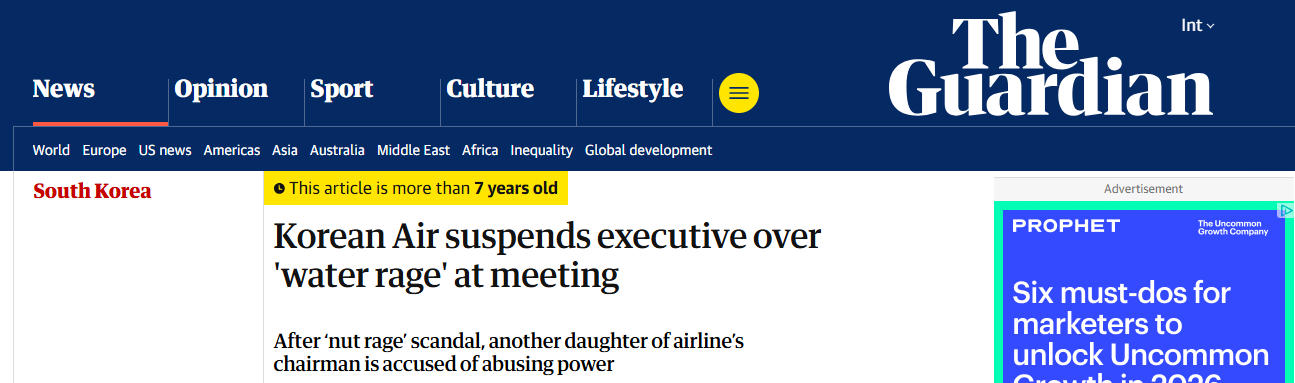
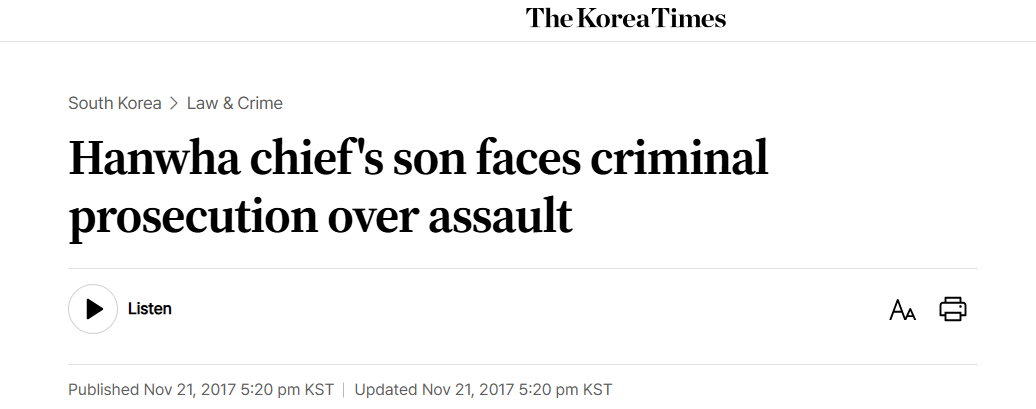
The common point? These names all belong to Chaebol families.
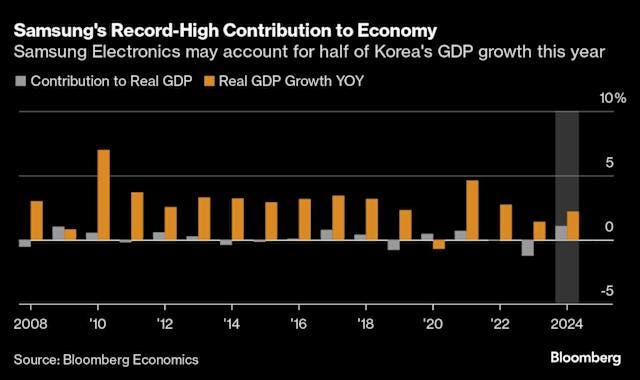
Samsung, Hyundai, LG, SK, Lotte – these 5 conglomerates account for over 40% of South Korea's GDP.
Not just businesses, they are economic pillars, dream employers, indispensable partners of the government…
… And in many cases, entities outside – or above – the law.
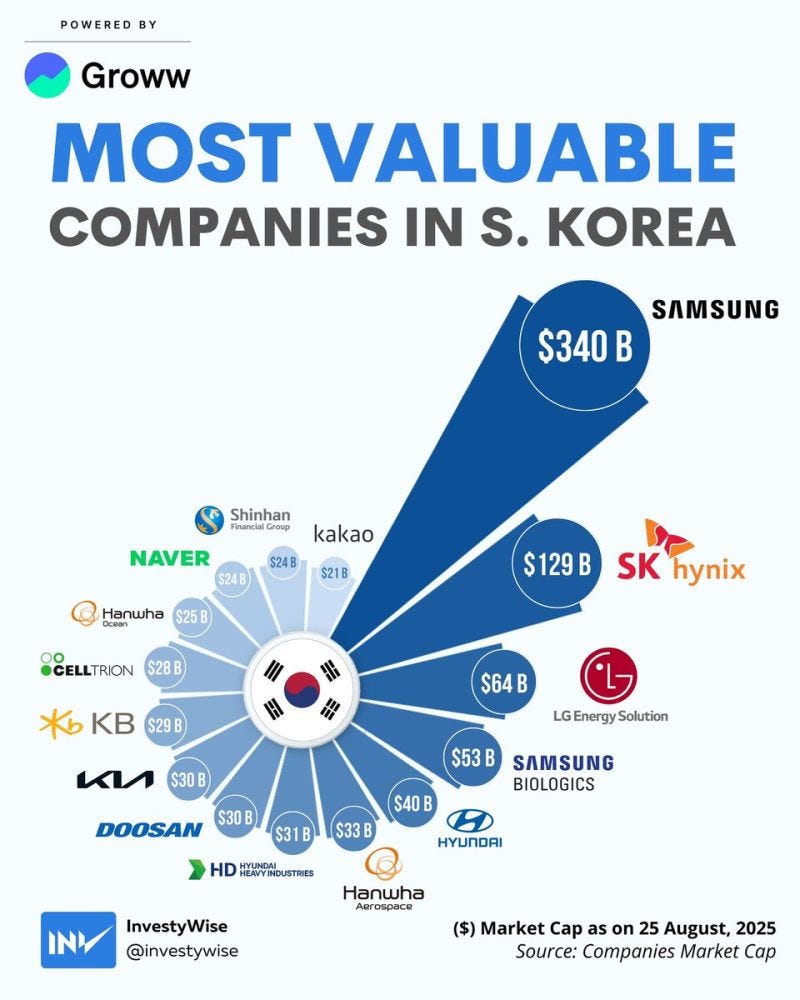
6 months ago, Viet Hustler wrote about the South Korean economy: from post-war ashes, the “Miracle on the Han River”, to the increasingly visible cracks in the growth model based on exports, heavy industry, and giant conglomerates.
At that time, Chaebol appeared as the backbone of the economy – necessary, efficient, but full of risks.
Today, we'll go one layer deeper.
Because the problem with Chaebol isn't just economic, but in the power structure.
When a family group controls most of the best jobs, cheapest capital, softest legal system, and even the career futures of the youth – then Gapjil is no longer a personal morality story. It is the inevitable product of a system.
A system where abuse of power is tolerated.
Where markets are distorted.
And where society gradually becomes dependent on those “kings without thrones”.
In this week's article, Viet Hustler will analyze Chaebol as a power mechanism – from Gapjil, Korea Discount to why this system has become the biggest burden on modern South Korea's economy.
Origins of Chaebol - when the state actively “picks the winners”
1997 Crisis: when the Chaebol model hits its tolerance ceiling
Crony Capitalism – when Chaebol power stands above the rules of the game
Overwhelming Economic Power – when Chaebol becomes “an economy within the economy”
Chaebol vs SME – an uneven playing field and the failure of the labor market
Why can't the South Korean economy leave Chaebol?