If you missed the best recent articles:
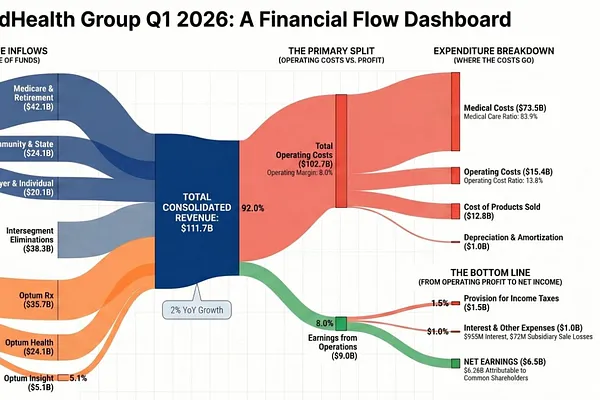
UnitedHealth: Should You Be Greedy When Everyone Else Is Afraid?
Mar-a-Lago Agreement: How Trump Will Rearrange the World Order
Every hour of the day, at a federal facility in Washington D.C., money printing machines operate non-stop 24/7 to meet the demand for cash circulation.
More than 500 million USD is pumped into the US economy every day this way.
But that's just a tiny fraction. In reality, most of the money in the financial system today exists in digital form, and this amount is increasing by more than 4 billion USD every day - just with a few keystrokes in the banking system.
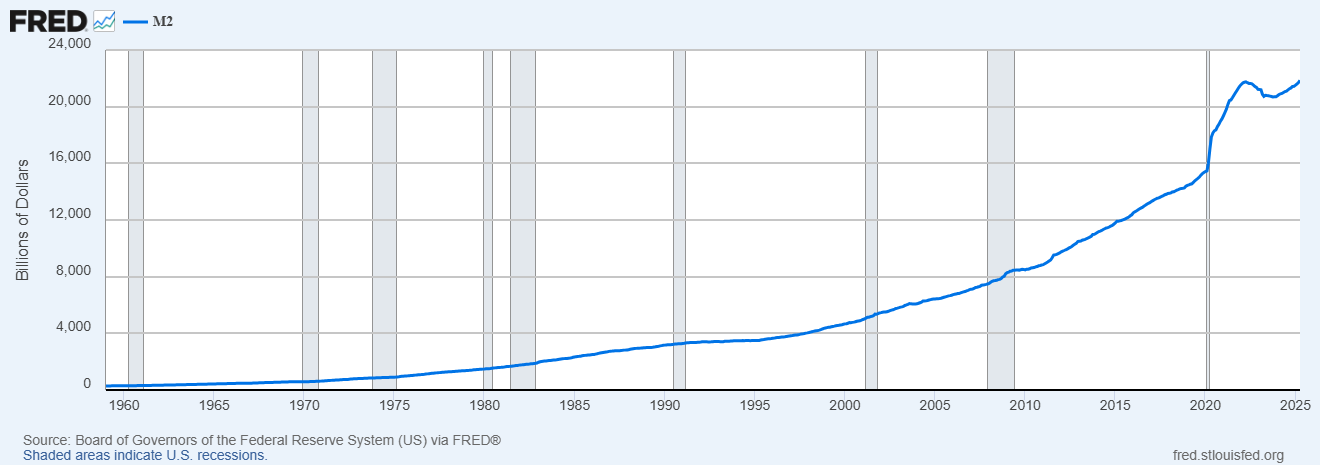
So where does all that money really come from and where is it going?
Before appearing in each of our bank accounts, it has changed owners hundreds of times, passing through the hands of people, businesses, government - all originating from numbers "typed into the system".
That's how money is created, driving economic growth, pushing up prices, and plunging the entire nation into a debt spiral.

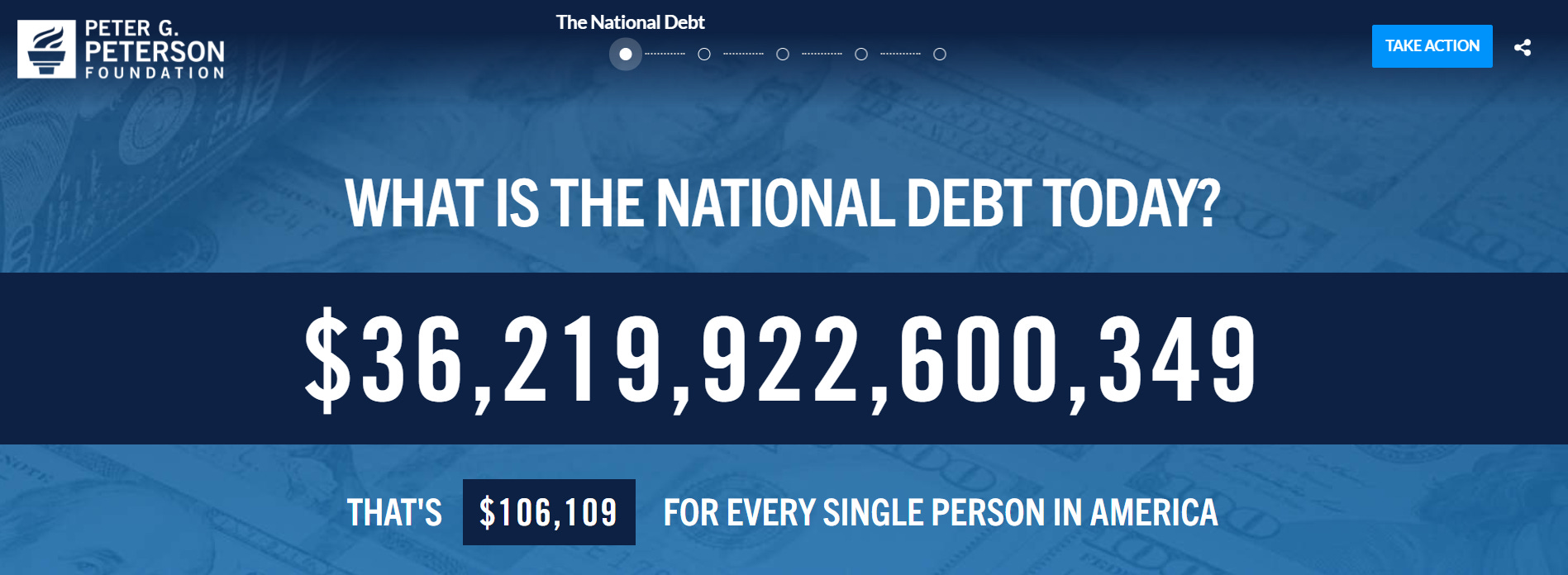
As of now, US public debt has exceeded the 36,200 billion USD mark equivalent to 106,109 USD per citizen.
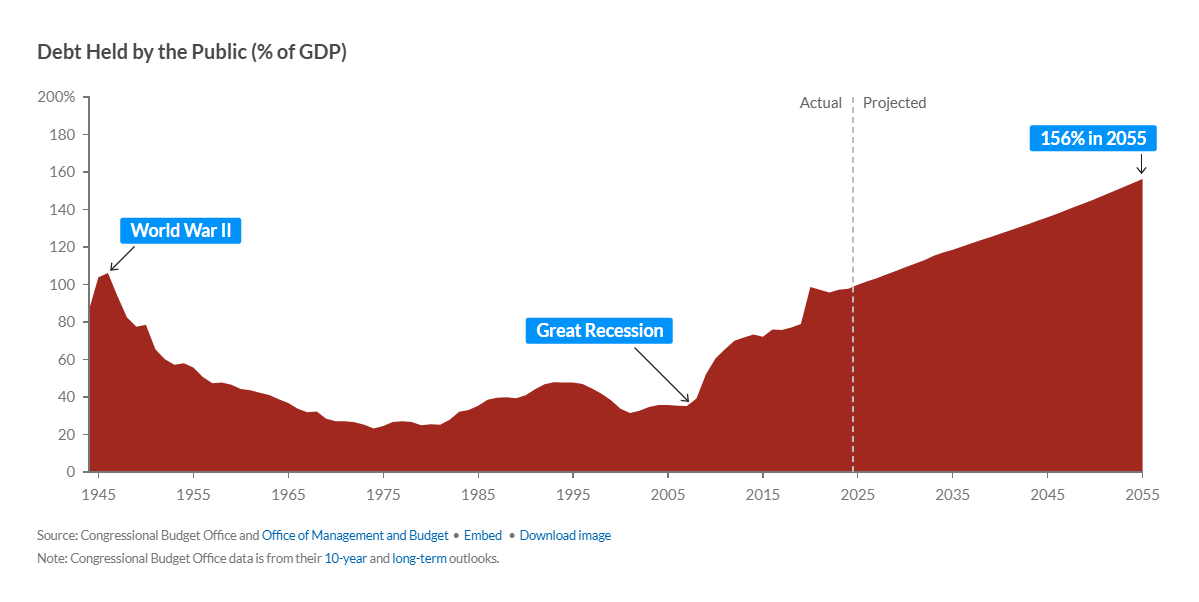
Looking at the overall economy, public debt currently accounts for ~120% GDP and is projected to exceed 150% by 2055 if no significant containment measures are taken.
In today's article, Viet Hustler will go back in history to explore the true origins of money, explain how America “creates money out of thin air”, and better understand why printing money – though a solution – can also be a double-edged sword for the world's largest economy.
History of Money Formation: From Barter to the First Coin
The Birth of Loans: Turning Point of the Monetary System
How Do Banks Create Money Out of “Thin Air”?
Government Bond Mechanism & Role of the Central Bank