If You Missed Our Best Recent Articles:
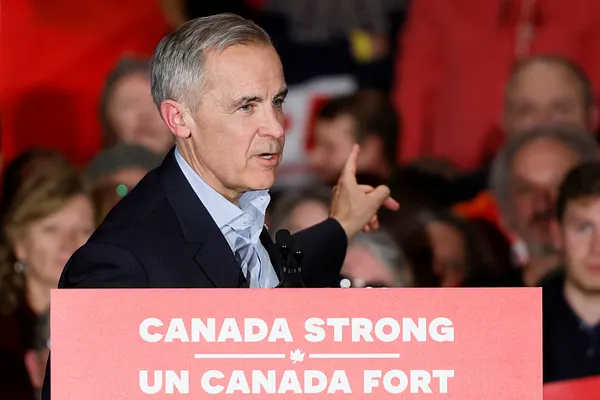
“There are no atheists in foxholes - and there should be no dogmatic free marketeers in a crisis.” -Mark Carney, remarks after landslide majority government win, April 2026
In April 2026, a figure Canadian markets weren't truly pricing in started to emerge: the probability of the Bank of Canada hiking rates again.
Not because the economy is too strong.
But because it isn't weak in the way the BoC needs.
At the same time, three signals emerged-and they weren't aligned:
Canadian bond yields rose again after BoC's hawkish message
Housing market fell for fifth straight month, but no new buying emerged
Oil prices topped $100, but CAD barely reacted
On the political front, the picture was entirely different.
Mark Carney entered Ottawa with 174 seats-the first majority government in nearly a decade. Near-absolute legislative power. Capacity to enact budgets, negotiate trade deals, and coordinate policy at levels most prior Canadian prime ministers lacked.
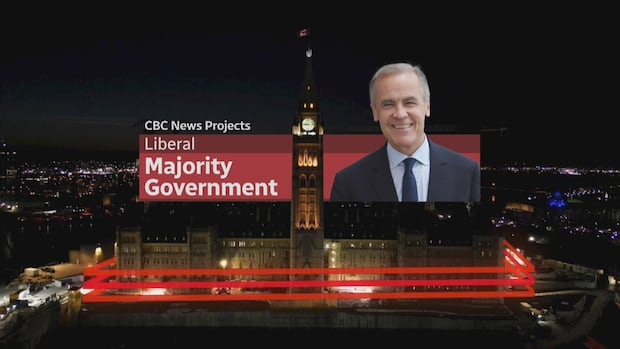
If you're only looking at Parliament Hill, this is a moment of control.
But if you're looking at the markets, this is a moment of constraint.
Canada's 2026 paradox lies exactly there:
Politics is expanding room to maneuver, but the economic system is narrowing it.
The Middle East oil shock isn't your typical cyclical event, but a supply shock driving up costs without growth.
The labor market isn't collapsing, but slowing in a way that sustains inflation pressure.
The exchange rate is no longer acting as a shock absorber.
And monetary transmission-from rates to the real economy-is losing effectiveness at key points.
In other words, this isn't a familiar demand-driven cycle.
This is a problem of transmission.
The question therefore isn't whether Canada has policy space-the answer is yes.
The question is:
Are those policy tools still working as the system once operated, or are they losing effectiveness in a changed environment?
In this article, Viet Hustler examines seven sections-from Carney's new political power structure to the real constraints from the BoC, energy markets, labor, consumption, housing, and trade-before concluding with three scenarios for the rest of 2026.
Part I - Majority Government: Launchpad or Illusion?
Part II - BoC: From “cut or hold” to “hold or hike”
Part III - Labor Market: When the Data Tells Two Stories
Part IV - Consumption: Not Collapsing, But No Longer Balanced
Part V - Housing: The Bottom Hasn't Arrived
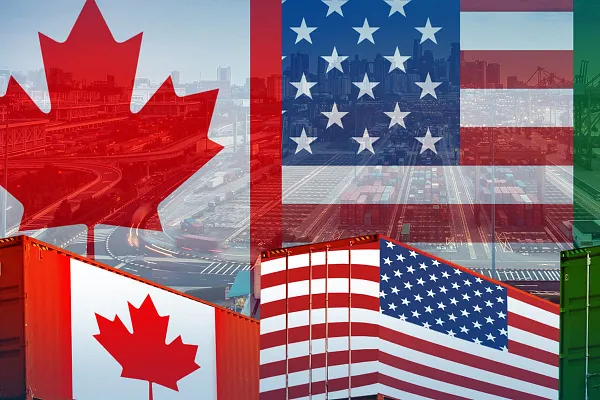
Part VI - Trade: Negotiations in the Shadows
Part VII - Three Scenarios for the Rest of 2026