If You Missed the Best Recent Articles:
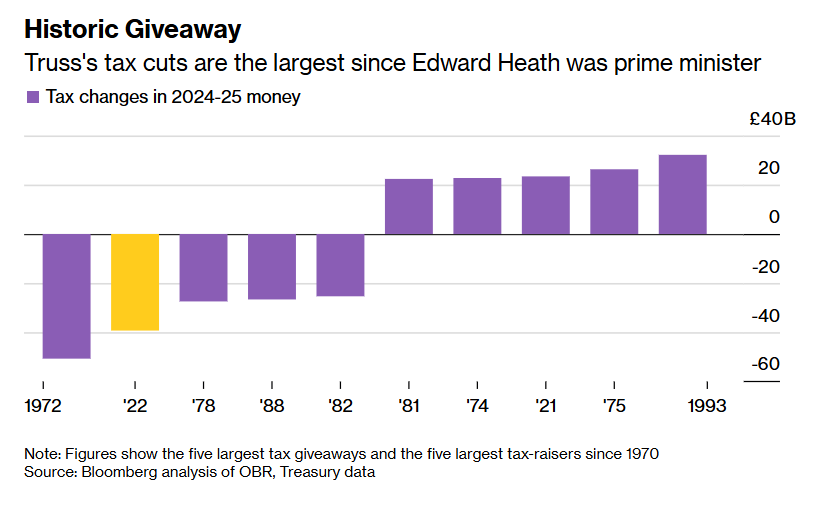
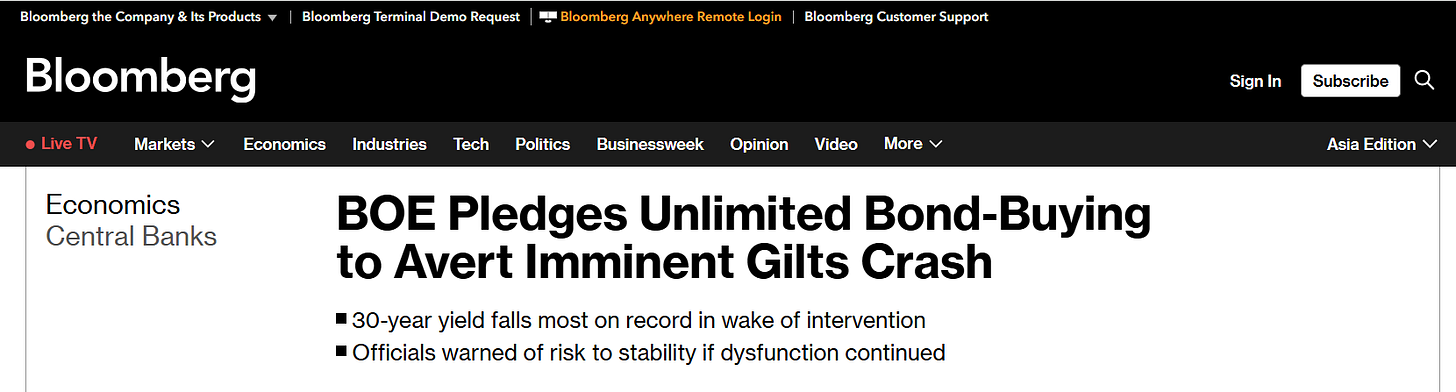
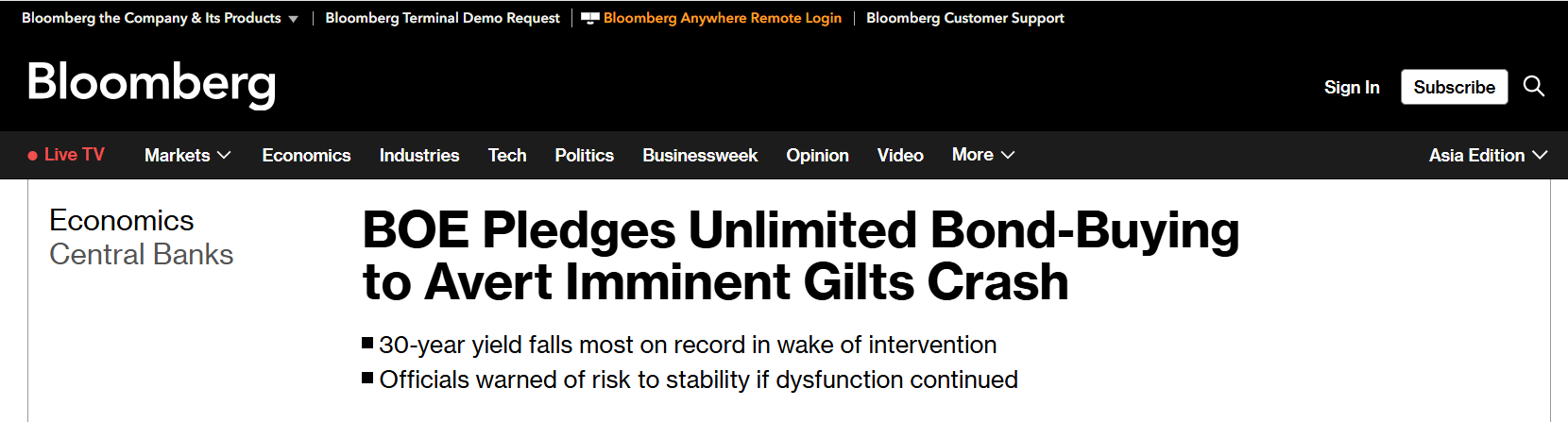
On 09/23/2022, new UK Prime Minister Liz Truss announced a £45 billion tax-cut package - the largest since 1972.
No alternative funding, no fiscal offset roadmap, no impact assessment from the fiscal watchdog.
Financial markets nearly imploded.
30-year gilt yields breached 5% - unseen since the global financial crisis.
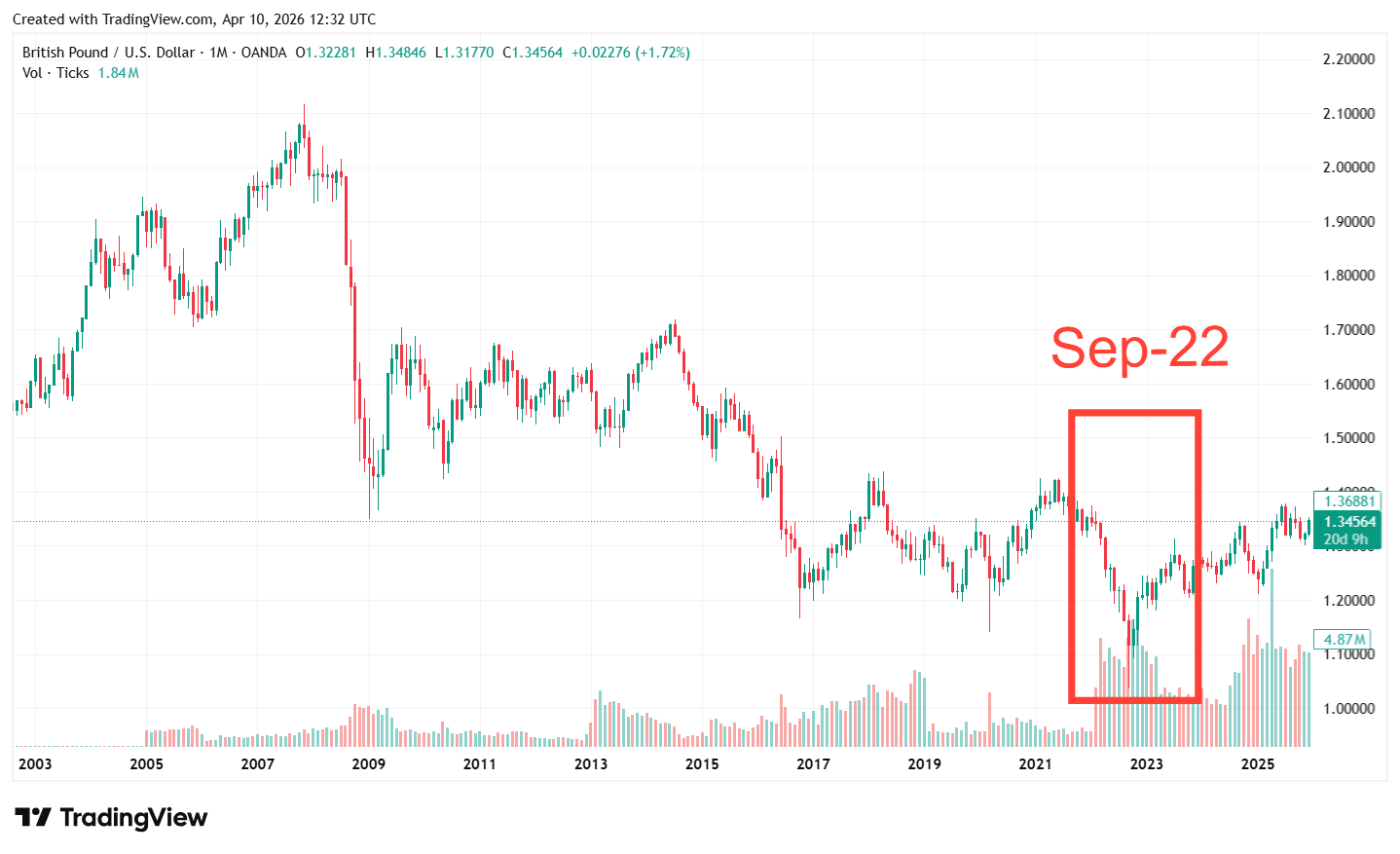
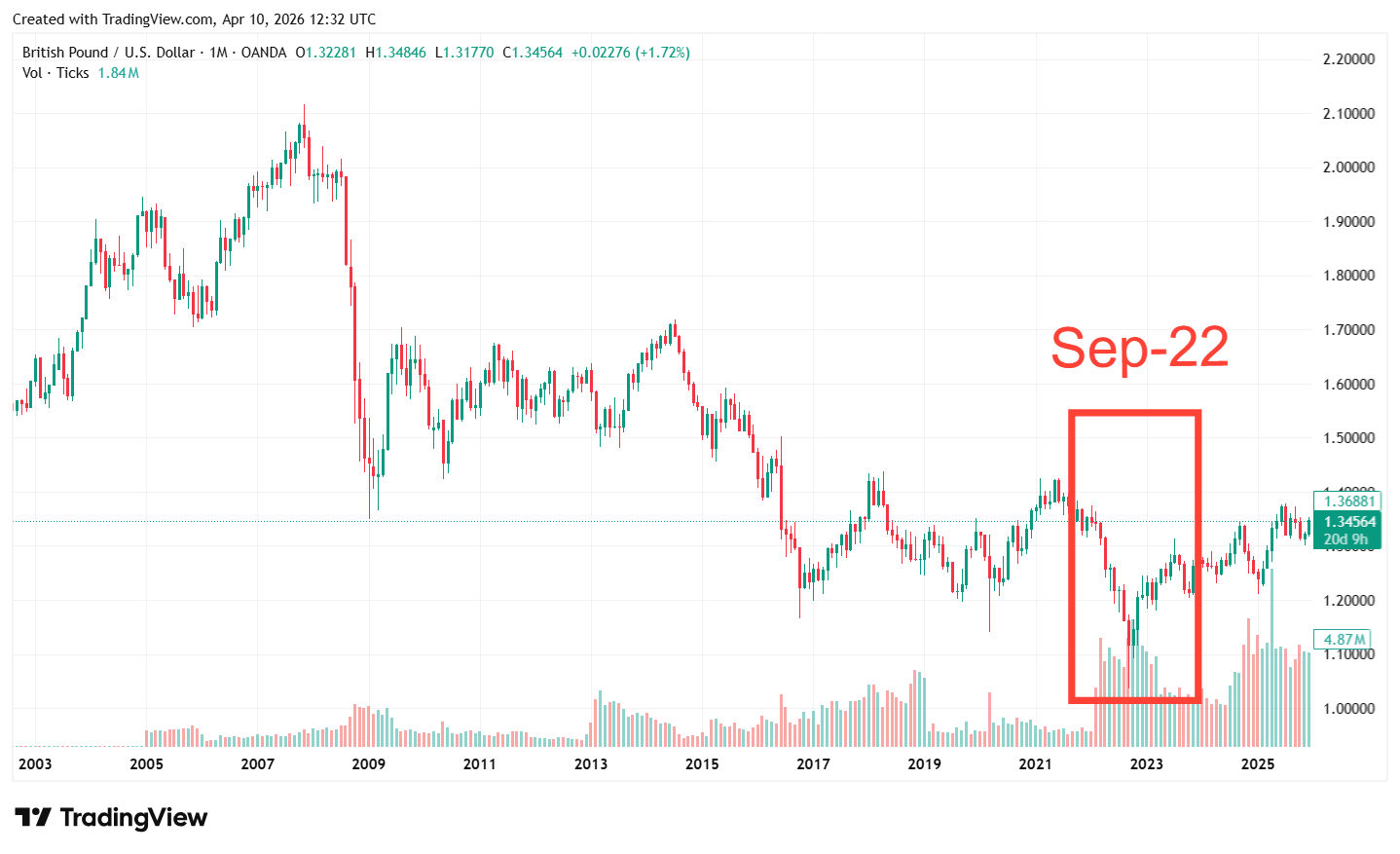
GBP/USD hit historic lows
Pension funds using LDI (liability-driven investment) strategies - worth trillions of pounds - nearly collapsed in a chain reaction from margin calls.
BoE forced into emergency intervention - buying long-dated bonds to avert a market meltdown, just as it should have been tightening policy to fight inflation.
Larry Summers - former US Treasury Secretary - remarked:
“I can’t imagine any G10 country taking such debt risk in its own currency.”
Timothy Ash - public debt strategist at BlueBay Asset Management, who has analyzed fiscal crises for 35 years - was blunter:
“Everything I see looks exactly like an emerging-market-style crisis.”
Truss resigned after 44 days - the shortest in UK history. The policy package was fully scrapped. Markets stabilized.

But here's what most economic commentary at the time missed:
Markets weren’t just reacting to a policy blunder. Markets were repricing a nation.
Liz Truss wasn’t the cause. She was the catalyst - forcing markets to confront a reality that had built up over 15 years: the UK had long stopped investing in itself, and the bill had come due.
This wasn’t the beginning. It was the moment reality emerged.
For decades, the UK has been trapped in a low-growth spiral - where low investment leads to low productivity, weak tax receipts, and ultimately chokes off future investment capacity.
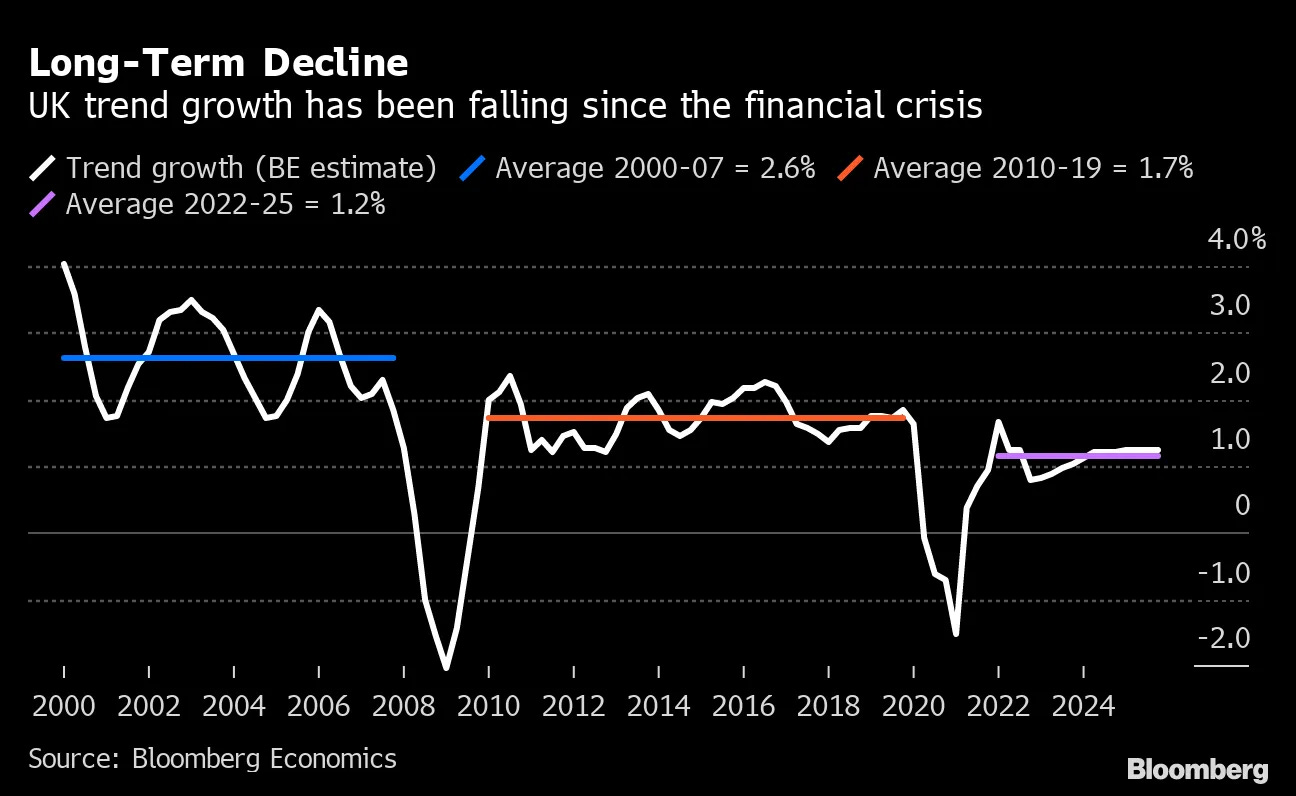
Unlike France - where the issue is overspending on one category (pensions) - the UK’s malaise is on the revenue side: the economy simply isn’t generating enough output to fund its commitments.
Read our analysis on the French economy here:
If France is stuck in a budget allocation puzzle, the UK is trapped in a growth conundrum.
In today’s article, Viet Hustler dissects the question: has chronic underinvestment truly destroyed the UK economy - and more importantly, what does it mean for global financial markets.
Recession Loop & Erosion of Confidence
Productivity Crisis & Chronic Capital Thirst
The Financial Curse - From North Sea Oil to City of London
Three Inescapable Burdens: Health, Housing, Brexit
The Unsolvable Budget Math
Escape Routes for the UK?
Market Impact & Portfolio Positioning