If you missed the best recent articles:
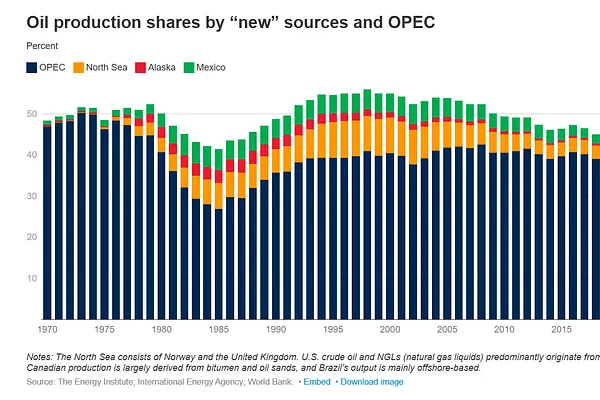
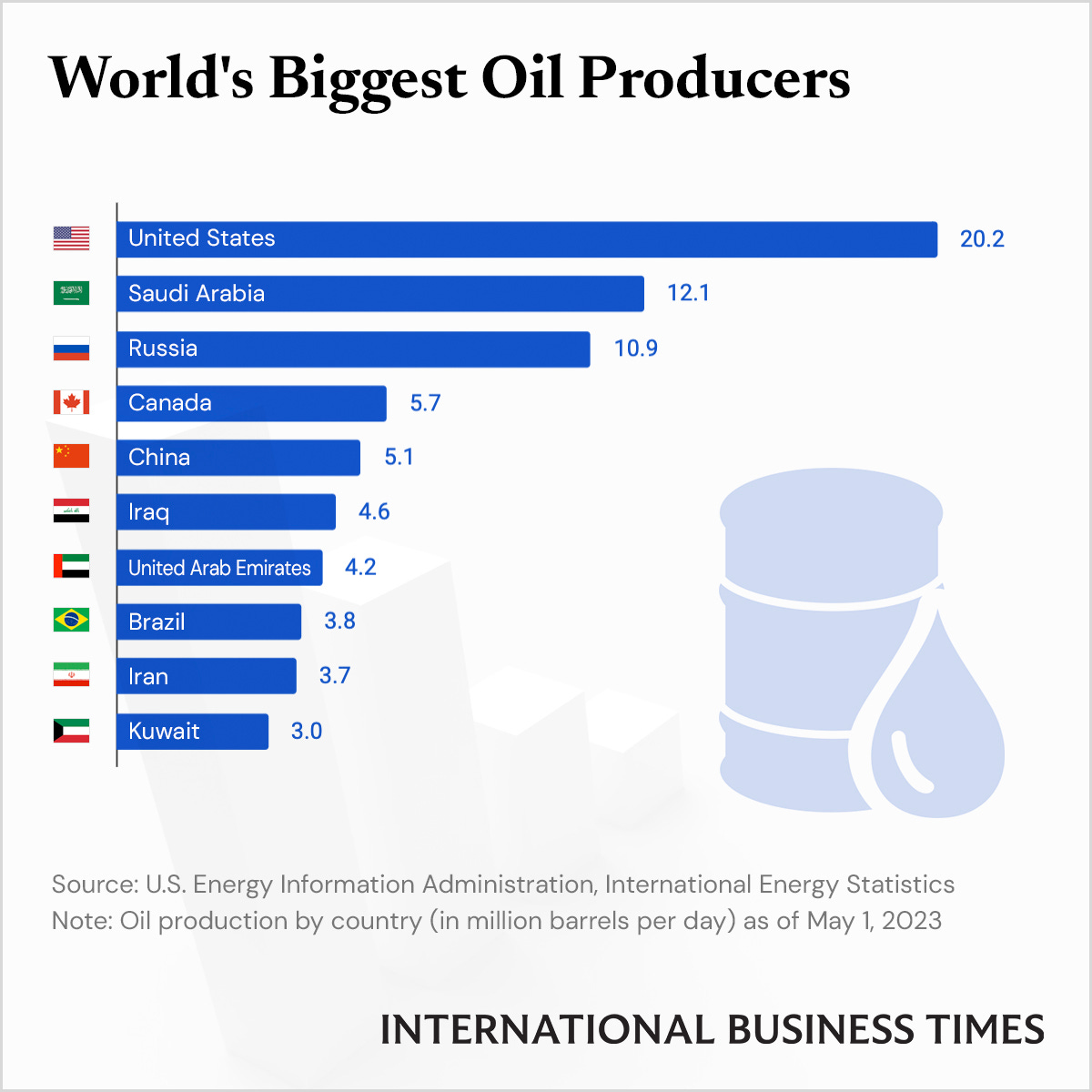
In 2018, the United States officially surpassed Saudi Arabia and Russia to become the world's largest oil-producing country – including crude oil, biofuels, and other petroleum products.
By 2021, US oil production reached nearly 19 million barrels/day, almost twice that of Russia and Saudi Arabia.
The US is also the world's largest oil consumer with over 20 million barrels/day – equivalent to 1/5 of global demand.
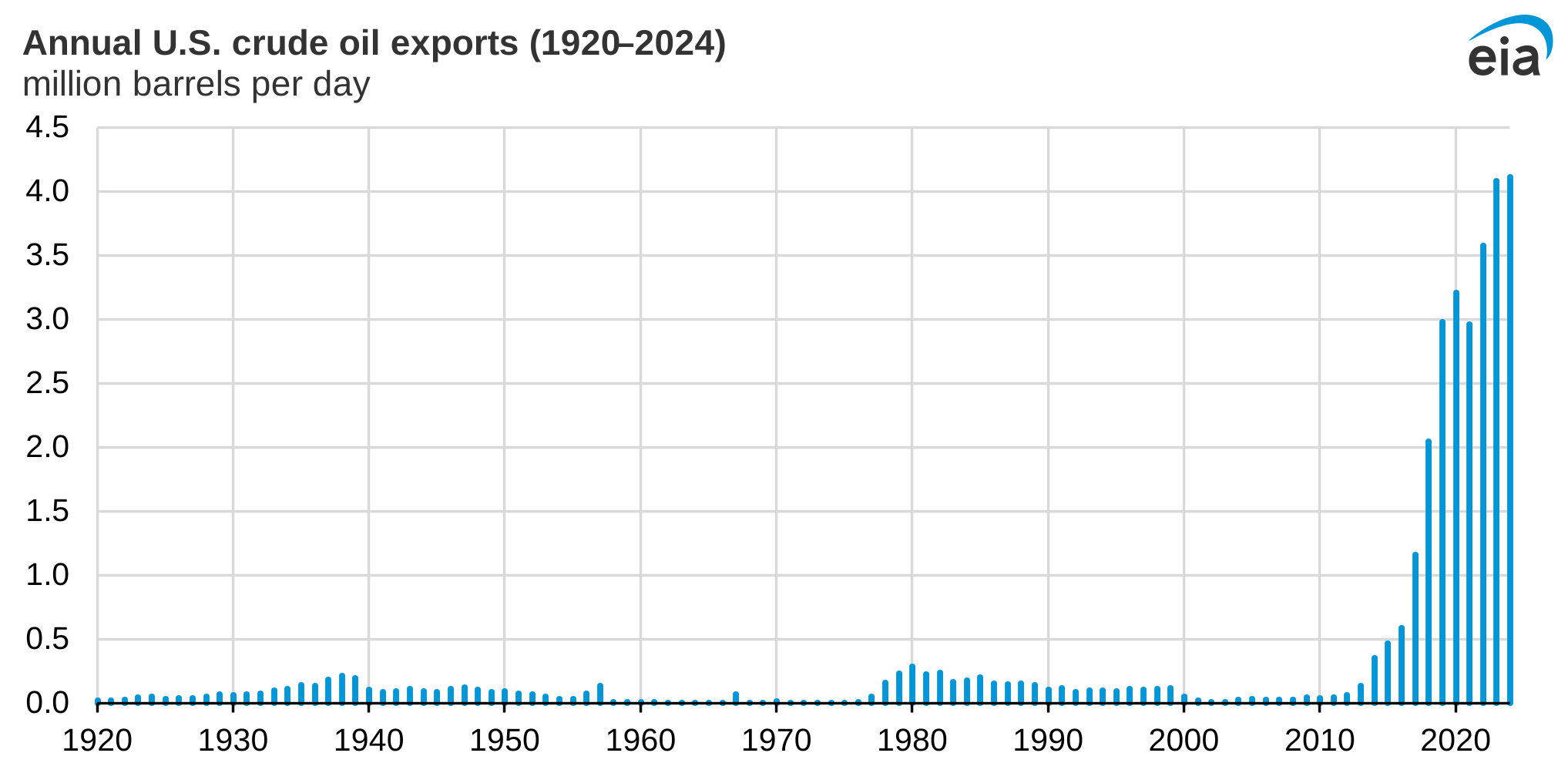
For the first time since 1940, the US became a net petroleum exporter and holds a significant position in global energy deals.
The US also leverages its abundant supply to ensure domestic energy security and enhance geopolitical competitiveness.
Yet, paradoxically: despite producing so much oil, the US still imports nearly 8 million barrels of oil per day – second only to China.
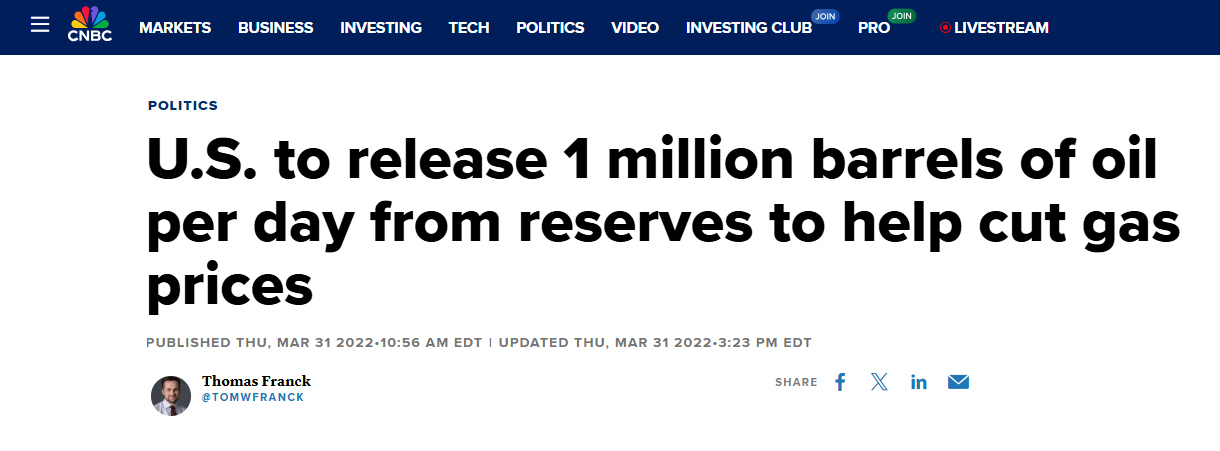
Even during the period of soaring oil prices, President Joe Biden had to tap into the strategic reserve to cool domestic prices, while millions of barrels of US-produced oil steadily shipped out to other countries.
So why does the US – an energy superpower – still need to import so much oil? And how long can this No. 1 position in the oil production race be maintained, especially as renewables reshape the world?
In today's blog, Viet Hustler will explore with you 3 key aspects to decode America's oil paradox:
The process by which the US became the world's largest oil producer
Why does the US still have to import so much oil?
How long can the US maintain the No. 1 spot in the race?