If you missed the best recent articles:
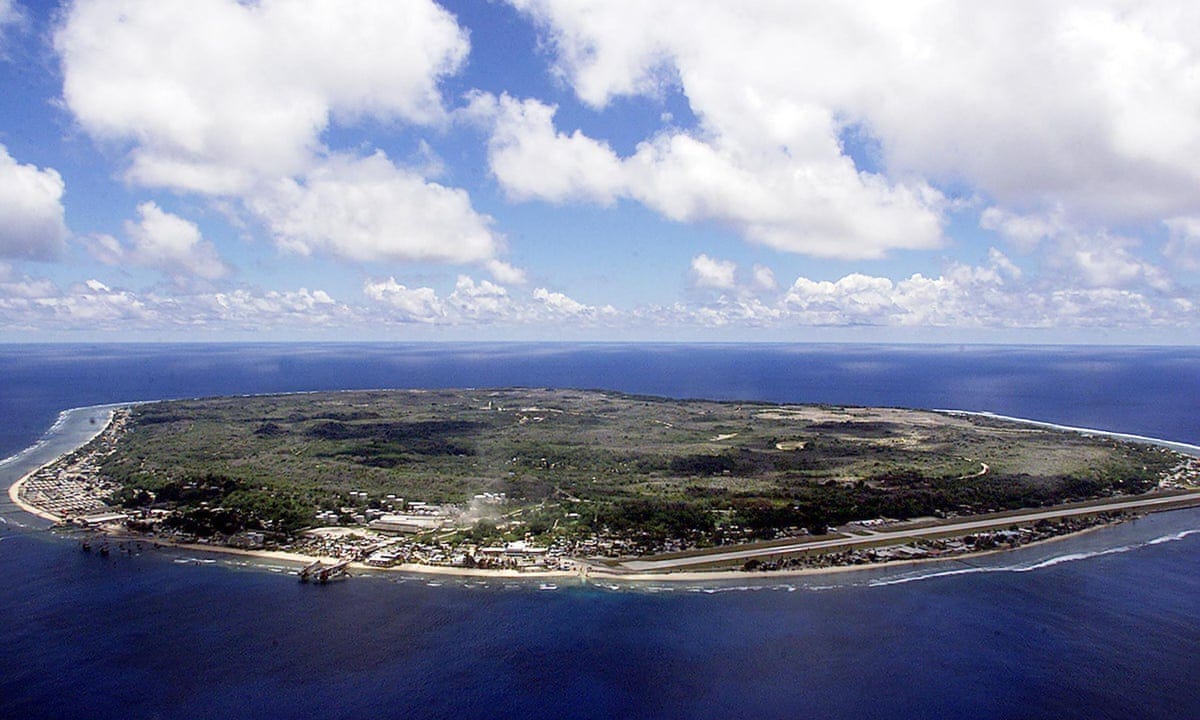
In modern economic history, few stories are as tragic and dramatic as Nauru – a tiny island nation of just 21 km², population under 11,000, but once had the world's highest GDP per capita.
Thanks to abundant phosphate resources, Nauru rose to the peak of wealth, surpassing even the US, Japan, or Gulf countries. However, in just a few decades, that wealth vanished into thin air, leaving a collapsed economy, a resource-depleted island, and a nation scraping by on aid.
The story of Nauru is not only a typical “mirror” of “resource curse" (resource curse), but also the clearest evidence of the price paid when a nation bets its future on a single revenue source, ignoring diversification and sustainable development. From a “Paradise Island” (Pleasant Island) in the eyes of 18th-century British people, Nauru became a “wasteland” after decades of phosphate depletion.
What turned a small nation into the “darling of the world economy”, only to plunge it to the depths of poverty in just a few decades? In today's article, Viet Hustler will explore Nauru's rise and fall with readers.
Formation History & Geography
Phosphate Resources & Colonial Infiltration
Journey to Becoming the 2nd Richest Country in the World
Dutch disease and Government Rescue Efforts
From London Stage to Refugee Camp: Financial Failure & Last Resort Solution
Lessons for Nations