If you missed the best recent articles:
“Trade is no longer about goods, but about leverage.”
- Senior US trade negotiator, in Geneva 2025
When trade becomes a power card – and each container is a geo-economic message
Imagine a chessboard without soldiers, horses, chariots, cannons, no king no queen – but only stacks of cargo containers arranged like dominoes. Each layer doesn't represent price, but strategic boundaries. Each container doesn't just carry goods – but also commitments, pressures, and silent concessions behind the scenes.
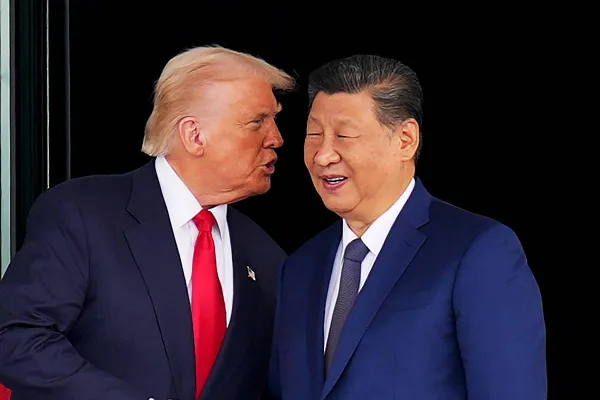
After June 2025, that chessboard has officially been flipped. The United States – under Donald Trump's second term – not only brings tariffs back to the global center stage, but turns them into negotiation weapons, punishment strikes, and tools for restructuring order. Each tariff level is no longer a protectionist barrier – but a warning blow. Each deal is no longer win-win – but a test of loyalty to the new rules of the game.
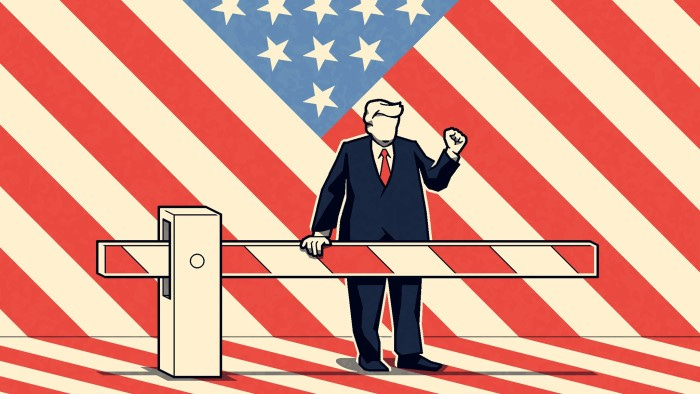
We are no longer in the WTO era or multilateral negotiations. US–EU pushing each other to the brink of breakdown. US–China sign “silent Geneva treaty” but keep punitive measures in pocket. Japan forced to choose between $550 billion investment or 25% tariff slash. Vietnam rises on the chessboard, but every move is like walking a tightrope between two superpowers.
In this week's special article, Viet Hustler will take you through:
Why is 2025 world trade no longer a price haggling, but a geo-economic poker game?
“Chicken game” or “Prisoner’s dilemma” – which game theory is each country playing?
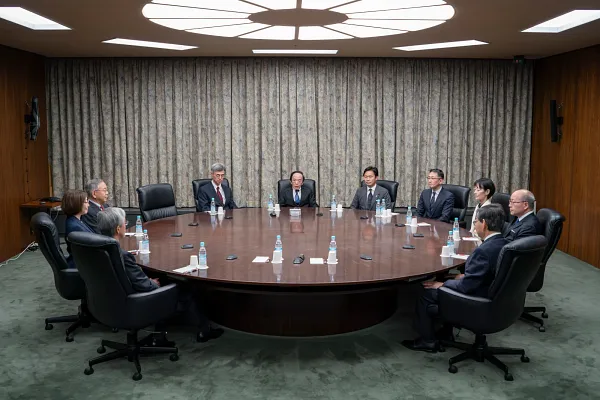
Japan's $550 Billion Investment Fund: Disguised “Conditional Tariff” Strike?
Vietnam: Escape or Entering a Geostrategic Risk Maze?
And the final question: In the three-layer chess game (economy – security – diplomacy), who will be the last to raise – and who will fold silently?