If You Missed Our Best Recent Articles:
“Nothing so undermines your financial judgment as the sight of your neighbor getting rich.”
- J.P. Morgan
Some economies avoid recession from an immediate financial shock or from two straight quarters of negative GDP. They turn perilous in a different way: economic momentum fades gradually while the main pillars remain superficially intact. Growth stays positive. Unemployment hasn't spiked. Asset markets hold firm. But the underlying structure is far more fragile than two years ago.
America in 2026 isn't facing a “crisis” in the conventional sense. Corporate revenues haven't collapsed. The banking system hasn't lost liquidity. The yield curve has normalized. The Sahm Rule hasn't triggered. But the mechanism that once amplified growth through the income-consumption-jobs spiral no longer operates at full strength.
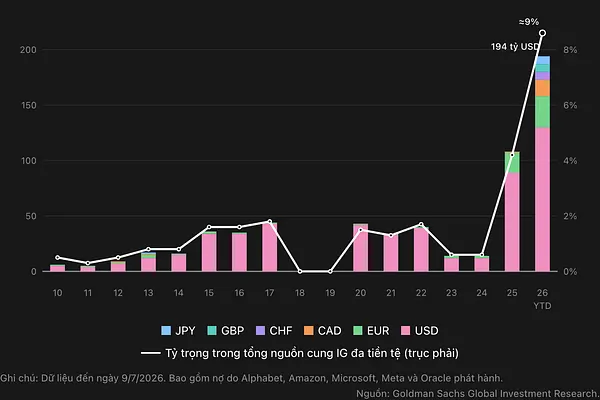
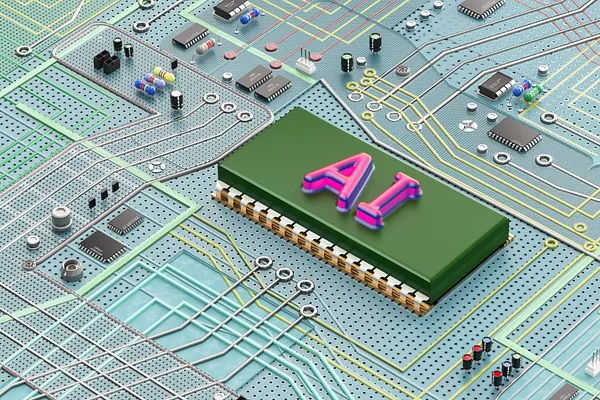
In standard cycle models, recessions start from a clear breaking point: demand collapse, credit freeze, or accelerating unemployment. But in the current configuration, weakness emerges earlier and more insidiously: in earnings breadth, consumer spending allocation, and growing reliance on a capital-intensive pillar-AI capex (private investment in artificial intelligence) .At first glance, what's unfolding can be chalked up to “post-stimulus slowdown,” “sticky disinflation,” or “Fed keeping rates high for longer.” But that reading misses the core dynamic: this isn't a balanced growth cycle. It's an economy operating at
stall speed -where growth remains positive thanks to concentrated pillars, while broad-based demand thins out. When consumption hinges on high earners and the wealth effect; when SMEs (small and medium-sized enterprises) face silent credit tightening; when inflation hasn't cooled enough to unlock policy; and when AI capex swaps labor demand for capital demand-the system doesn't break immediately. But it loses self-reinforcing power.
In that state, recession doesn't require a big shock to start. It just needs one pillar to falter while the others lack the breadth to compensate. Stall speed doesn't mean safety. It means the system is flying closer to the ground than usual.
This article doesn't approach the US economy through a binary “recession or not” lens. The goal is to dissect the current cycle's structure: which pillars are holding the system, which transmission channels have thinned, and what could turn deceleration into widespread contraction.
In today's piece, Viethustler walks through the following seven sections:
Part I-
Economy at Stall SPEED Part II-
K-shaped Economy and Thinning Broad Demand Part III-
AI Capex: The Cycle's Silent Pillar Part IV-
Three Triggers That Could Ignite Recession Part V-
Leading Indicators: Which Are Red, Which Aren't Part VI-
Three Scenarios and Probabilities Part VII-
Personal Take and Conclusion The article's conclusion doesn't forecast a systemic crash. It highlights a simple but vital rule: when growth relies on narrow pillars rather than broad income foundations, risk doesn't come from sudden collapse-but from a system lacking the buffer to absorb the next shock.
PART I - ECONOMY AT “STALL SPEED”