If you missed the best recent articles:
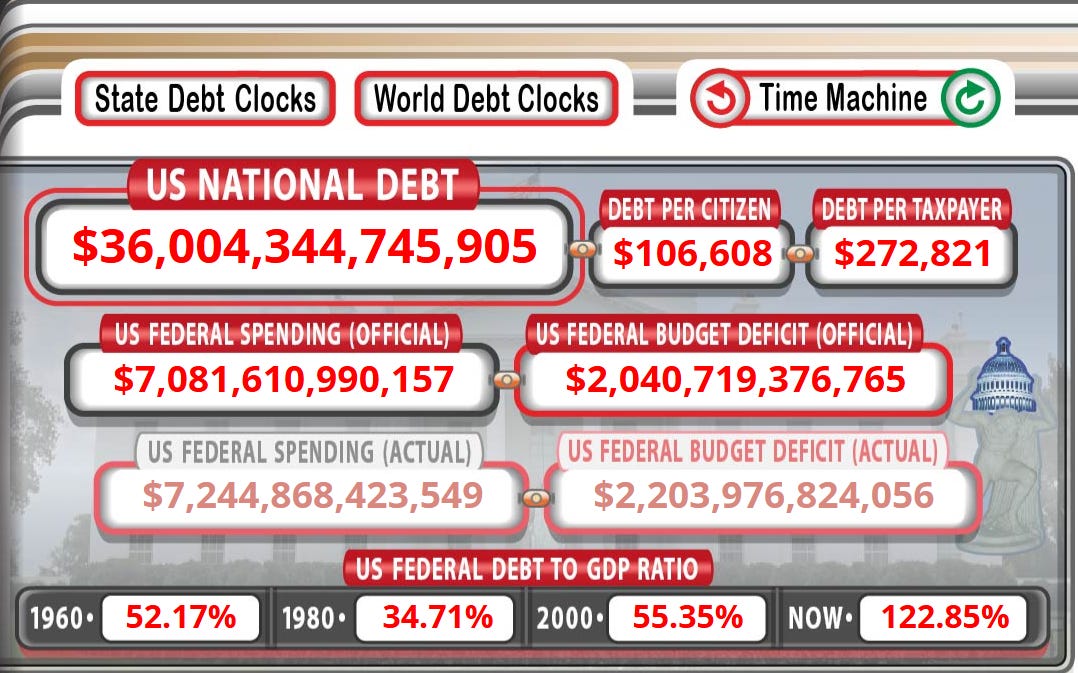
On November 15, US public debt officially surpassed the 36 trillion dollar peak, just after hitting 35 trillion at the beginning of August.
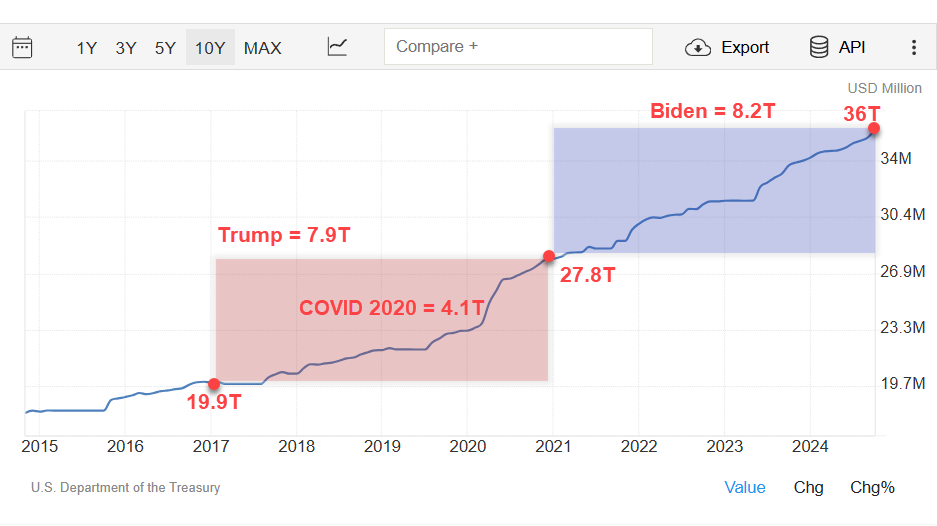
This means public debt during Biden's term has exceeded Trump's:
Every time the US nears the debt ceiling, the familiar scenario repeats: politicians argue, ramp up tension, then ultimately find ways to kick the problem into the future. The debt ceiling is raised, some spending is cut or added, and life continues until Congress eliminated the debt ceiling in 2023.

However, behind those delays is a much greater danger: the global public debt crisis.
According to IMF, there are currently more than 70 countries at risk of default, accounting for more than 1/3 of the world's countries.
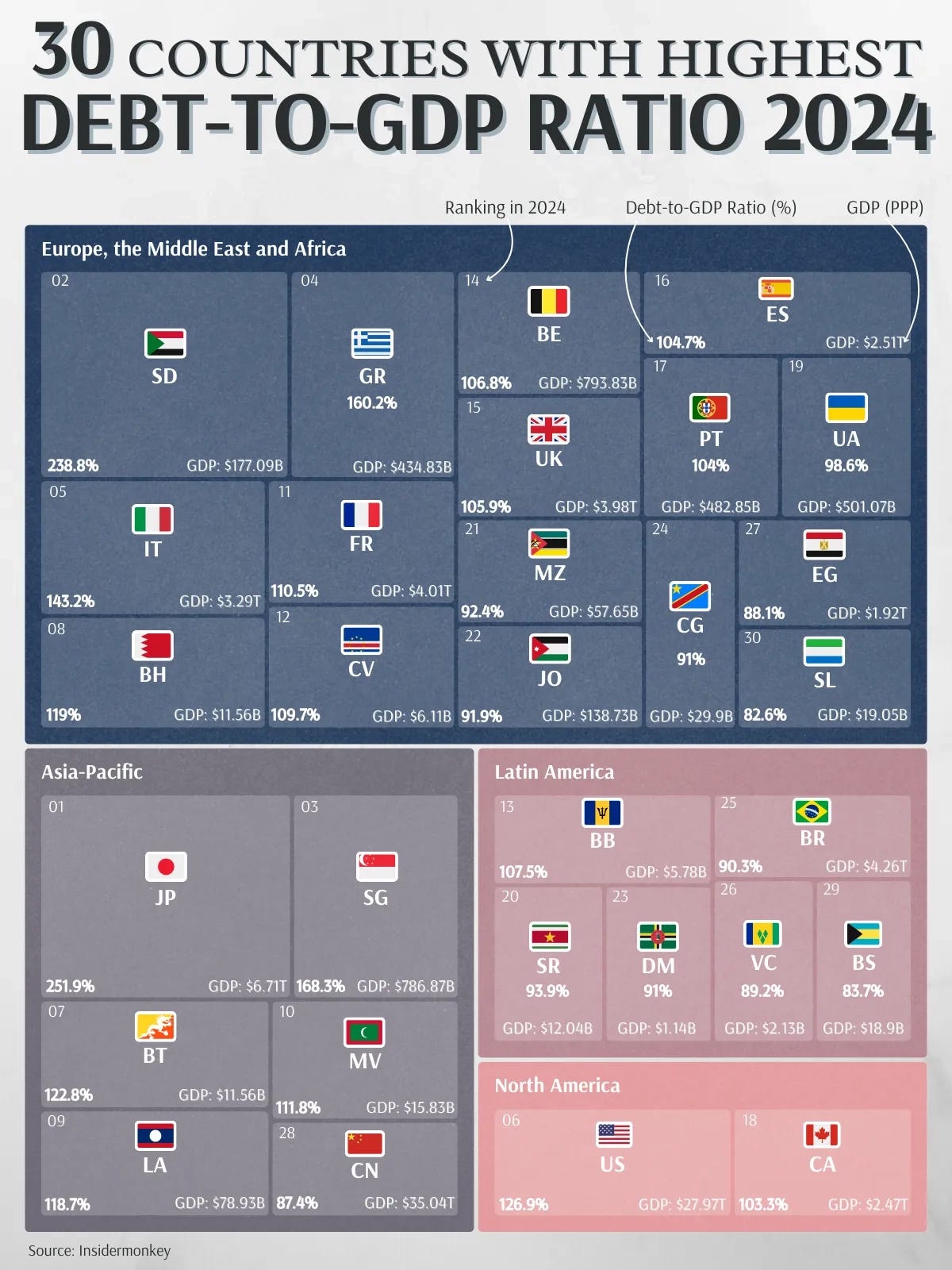
Public debt crises push hundreds of millions back into poverty, while many countries face tough choices between investing in education or healthcare and repaying loans. Not only strangling poor countries, public debt crises also cause chain reactions globally.
So if the US itself sinks into a debt crisis, what will happen to the world economy? Can the US government default?
In this article, Viet Hustler will explore with readers the financial picture and US public debt situation:
Budget Revenue Sources
Government Spending
Budget Deficit & Interest Payments - Government's Burden
Consequences of US Default
Ways Out for the US Government?