If you missed the best recent articles:
In the previous 3 parts of the series Understanding Financial Statements, Viet Hustler has guided you through the Balance Sheet, Income Statement, and Statement of Cash Flows.
Understanding Financial Statements Part 1: Balance Sheet (Balance Sheet)
Understanding Financial Statements Part 2: Income Statement (Income Statement)
Understanding Financial Statements Part 3: Statement of Cash Flow (Statement of Cash Flow)
However, there is one metric that many professional investors consider the “ultimate truth” of a business: Free Cash Flow - Free Cash Flow (FCF), because:
Revenue may just be a “glamorous” facade.
Earnings can be distorted by accounting.
But Free Cash Flow (FCF) is hard to fake.
As Charlie Munger once said: “Earnings can be fudged. Cash flow is harder to fake.”
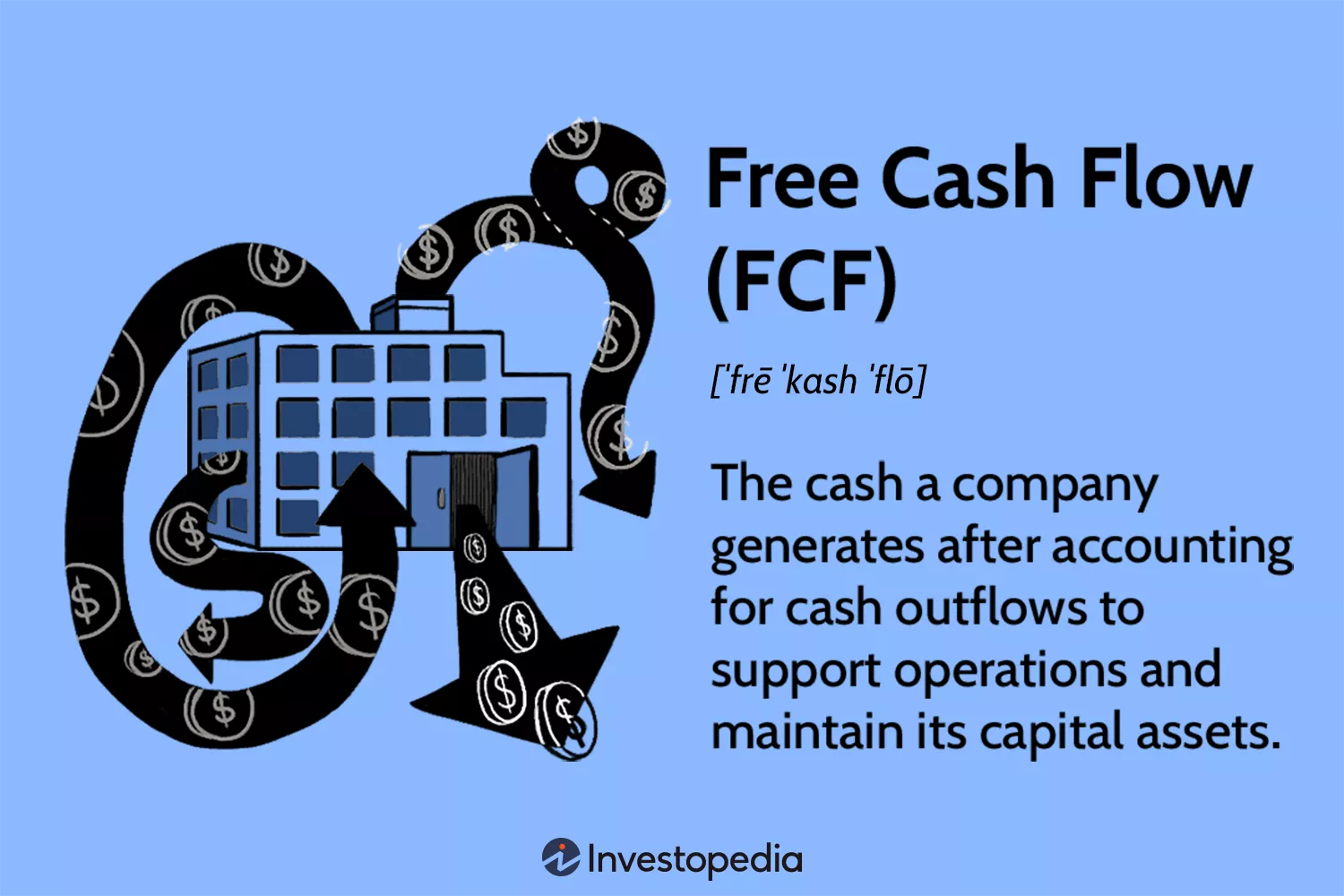
FCF is the cash left after the company has paid for all operating activities and maintenance investments - the “real” cash that can be used to pay debt, pay dividends, buy back shares, or keep as a “buffer” for tough times.
The problem is: despite its importance, FCF is often misunderstood or overlooked.
In today's blog post, Viet Hustler will dive deep into this concept with you.
FCF Concept
How to Calculate FCF
Why is FCF More Important Than Earnings?
Characteristics of FCF for Companies in Each Development Stage
Case study: Mag7 - Amazon & Netflix
Notes When Analyzing FCF
Metrics for Analyzing FCF