If you missed the best recent articles:
Unlike Physics, Chemistry or Literature, the Economics Nobel is actually not an 'official' Nobel Prize. It is not in Alfred Nobel's original will. Instead, it was 'added' by the Swedish Central Bank in 1968 - that is, more than 70 years after the first Nobel Prizes.
Nevertheless, the influence of the Economics Nobel cannot be underestimated. This prize has honored many works that have changed the way the whole world understands economics - and affected billions of people through policies shaped by academic research.

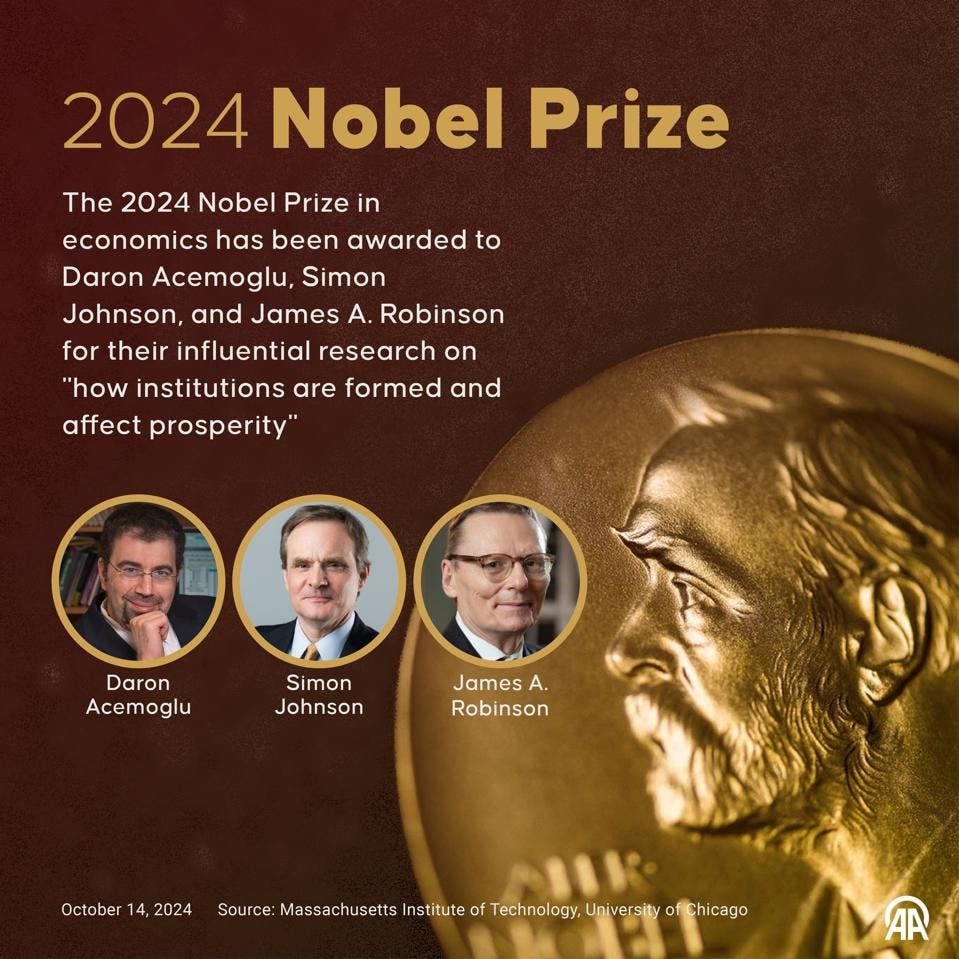
In 2024, the prize was awarded to three renowned names in academia:
Daron Acemoglu
James A. Robinson
Simon Johnson

These are the three most influential economists in recent decades.
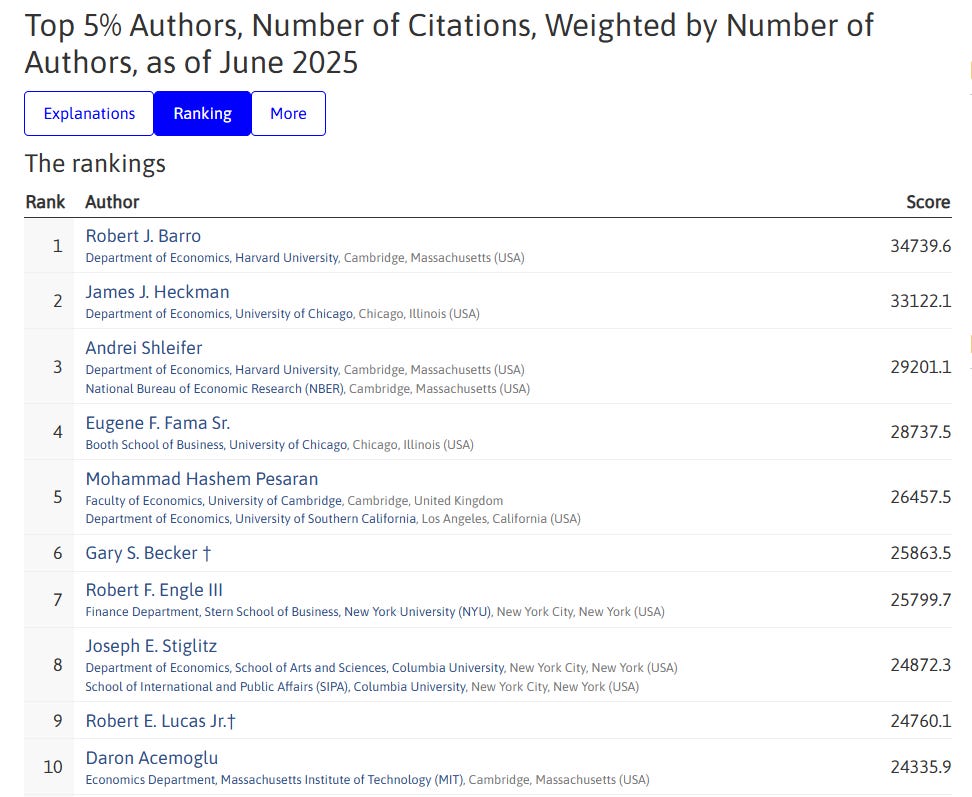
Acemoglu alone is the 10th most cited economist in the world, surpassing Paul Krugman, Milton Friedman, and John Maynard Keynes.
The question they answer is no less 'macro':
Why are some nations rich and others poor?
A familiar question that never gets old. Especially now:
The top 20% richest countries in the world are still 30 times richer than the bottom 20% poorest - and that gap is not narrowing despite global economic growth.
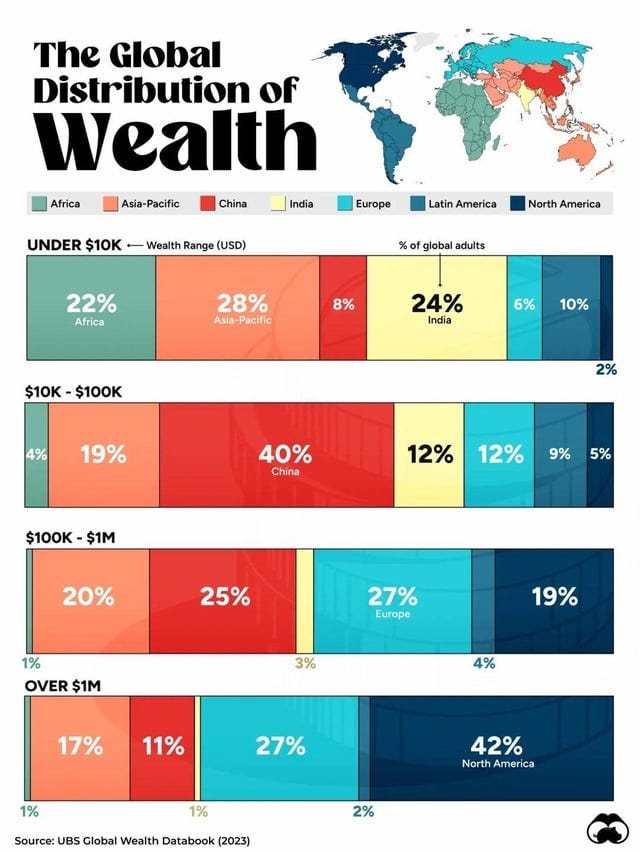
The answer from the three scientists may shock many people:
Not natural resources, geographical location or population... but institutions are the key factor determining a nation's success or failure.
In this week's blog, Viet Hustler will explore with readers why these three economists were honored, what makes their theory special, and most importantly: what can be applied from it to developing economies.
Core of the theory: Nations are rich because of good institutions – nothing else
The vital role of institutions: Why they determine the success or failure of the economy
Beyond theory: From correlation to causation
Why is it not easy to build good institutions?
Related debates