Part 2: First Changes in the Financial Markets
The past two weeks have been the time when a series of major Central Banks (CBs - Central Banks) made decisions on interest rates and shaped monetary policy - which could create many changes to the macroeconomic environment of key economies around the world.
Notable major policy pivots include:
US: Powell signals Fed may consider rate cut at September meeting.
Most central banks (CBs - Central Banks) that have been tightening policy for nearly 2.5 years are now aggressively cutting rates…
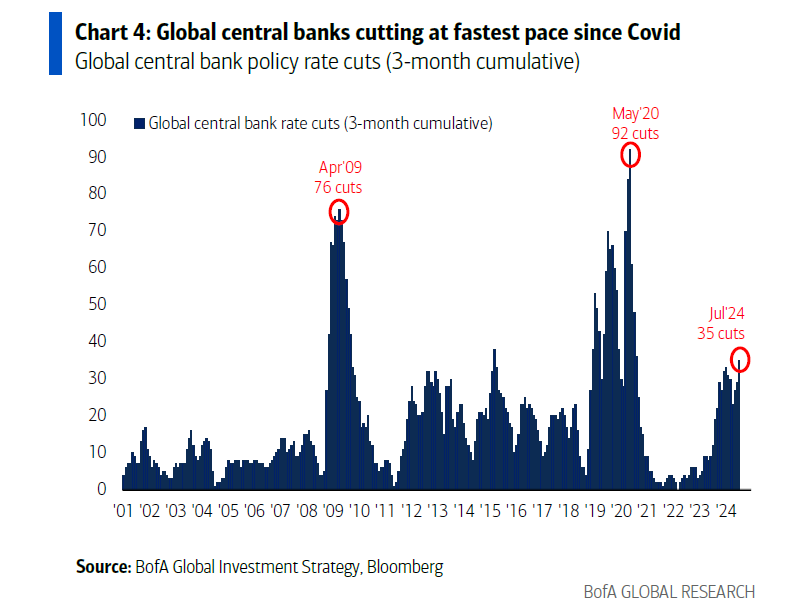
Including major economies such as: Eurozone, UK, Canada, Switzerland, Sweden …. (details here)
China: PBOC (People's Bank of China) cuts short-term rates for the first time in nearly a year.
Japan: BOJ (Bank of Japan) raised rates for the second time this year after a decade of negative rates – and officially outlined a process to taper QE.
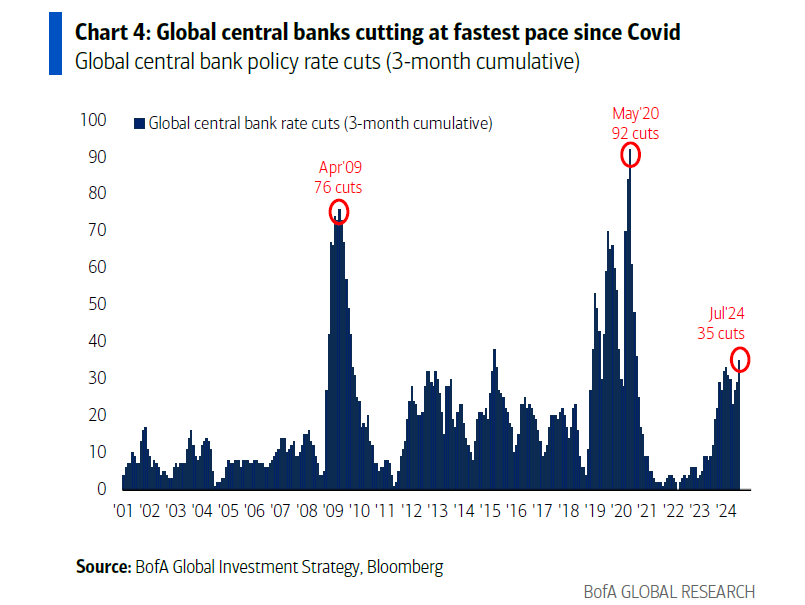
Such long-term economic environment changes due to policy pivots can be described by the term regime change (used in economics, politics, and data science).
Therefore, this weekend's macroeconomics column from Viet Hustler will focus on the issue of regime change when CBs change policy pivots.
Since the entire article content is quite long, it will be divided into 2 small blog posts (both published on Viet Hustler at the same time):
Analysis of the situation of major world economies: thereby providing reasons for the central banks' policy pivots.
The first changes in the financial markets last week as a result of the aforementioned economic regime change (regime change).
Readers please note both blog posts to follow the full content that Viet Hustler wants to convey in this series.
Disclaimer: Many views below are the author's personal opinions and not investment advice!