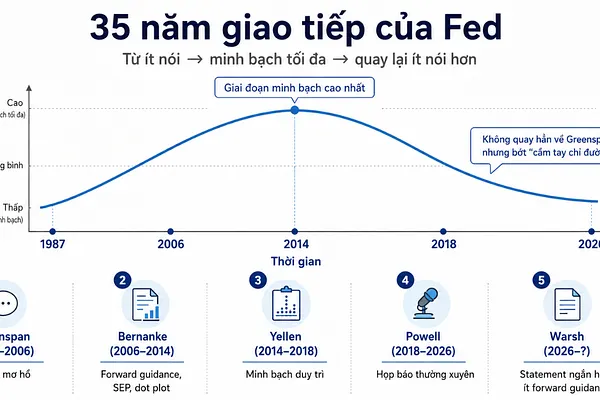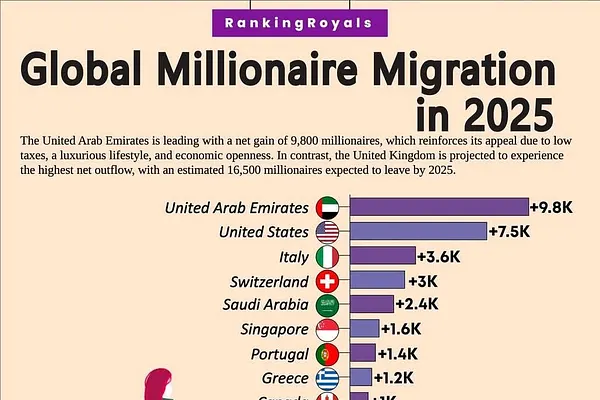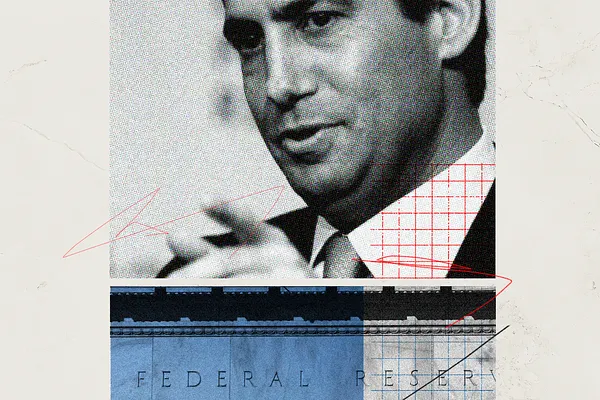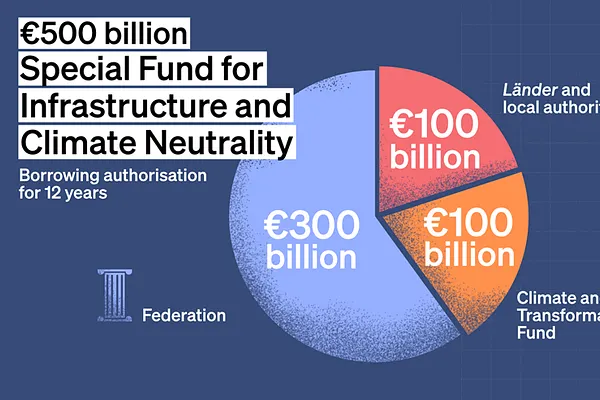
These are all the current and planned services of the Wall Street Journal. Steve hopes you will support and help Steve speed up the process of completing the tools being planned so everyone can use them.
If anyone wants to switch to TCPW from Viet Hustler, please register for an account package at:
https://tapchiphowall.com/pricing-plans
Then message Steve via Viet Hustler, Discord or email so I can pro-rated refund on Viet Hustler.
Steve thanks.
In the forest of US finance acronyms – QE, QT, RRP, SRF, TLAC, Basel III Endgame… – SLR is probably the driest and least sexy three letters. It doesn't evoke the feeling of “pumping money” like QE, doesn't suggest a “liquidity rug pull” scenario like QT, nor is it directly related to consumer loan interest rate tables. On the surface, SLR is just a supplementary capital ratio that financial regulators require large banks to comply with – a small line in hundreds of pages of rule book.
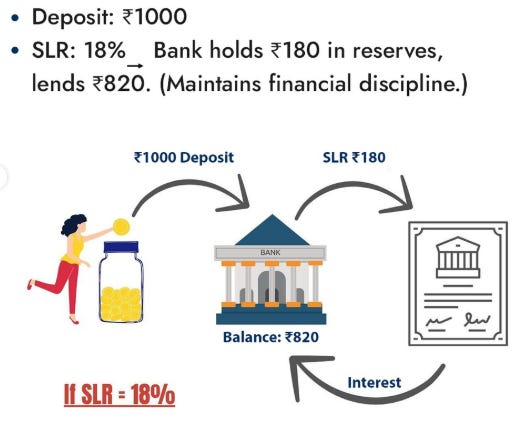
But in a world where US public debt has climbed to nearly 30 trillion USD, where US Treasuries are the foundation of everything – from repo, basis trade, hedge fund funding to central bank reserve assets – a little “twist of the knob” on SLR can:
Open up or squeeze thousands of billions of USD in balance sheet capacity of large banks,
Pull Treasury yields up or down by a few dozen basis points,
And thereby, impact back on the US Government's borrowing costs, bank stock valuations, and the system's risk appetite.
In other words, SLR is the kind of rule that if you're a banker, you have to memorize; if you're an investor, you only pay attention when the market starts to “choke” – repo tight, bad Treasury auctions, basis trade unwind, and Fed has to hurriedly set up a new facility to patch the pipeline.
After 2008, SLR was born as a “safety valve”: no matter how beautifully banks dress up their risk models, they still have to maintain a minimum layer of capital on total “flat” assets. However, amid sharply rising US public debt, alternating QE and QT programs, and the US Treasury needing stable long-term demand for Treasuries, this capital mechanism is increasingly operating as a strict leverage constraint on the core asset of the financial system: US Treasury bonds.
The turning point is 11/25/2025. Amid Trump’s second term pushing deregulation, “supersized” public debt requiring more storage, repo market choking multiple times at quarter-end, the three agencies Fed – FDIC – OCC jointly signed a final rule easing SLR/eSLR. On paper, it's just a technical tweak: slightly reducing capital requirements at the holding company level, capping eSLR at the subsidiary bank level, realigning TLAC/LTD. But from a macro perspective, it's a decision that directly hits the question:
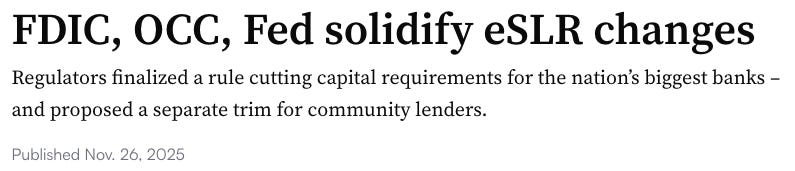
Who will step up to finance US public debt in the next 5–10 years – Fed, or the commercial banking system with a loosened SLR collar?
In today's article, Viethustler will walk you through the five main perspectives around SLR – from a “dry” capital rule on paper to direct impacts on the US Treasury market:
Part 1 – Basic Structure: Explaining SLR from the basics – risk-weighted capital (RWA, Basel/FRTB) vs “flat” leverage, and why in the era of massive public debt, SLR is operating as an “invisible capital tax” on Treasuries.
Part 2 – Policy Context: Summarizing the journey from deregulation priority under Trump 2.0 to the final rule on 25/11/2025, when supervisory agencies first significantly eased SLR/eSLR after over a decade.
Part 3 – Is SLR “Disguised QE”? Comparing the impact mechanism of SLR reform with traditional QE: not expanding Fed's balance sheet, but loosening balance sheet capacity of GSIBs to absorb more public debt.
Part 4 – Interest Rate Risks: Analyzing the “rate risk 2.0” scenario as duration shifts from Fed's balance sheet to banks' balance sheets, in a more volatile interest rate and inflation environment.
Part 5 – Market Pricing: How the market is and will price-in SLR reform:
Yield curve and term premium,
Bank stocks and ROE vs tail risk,
Repo, basis trade and the role of hedge fund,
And indirect impact on the USD narrative as a store of value amid fiscal dominance.
If QE answers “Who buys public debt using Fed's balance sheet?”, then SLR answers “Who gets to expand balance sheet to buy public debt instead of Fed?”.