“The Federal Reserve must ensure the cost of war finance remains low.” - “The Federal Reserve must ensure the cost of war finance remains low.”
- Henry Morgenthau Jr., U.S. Treasury Secretary, 1942
But what happens when Washington decides to orchestrate the entire interest rate symphony – from the short-end notes to the long-end tenor
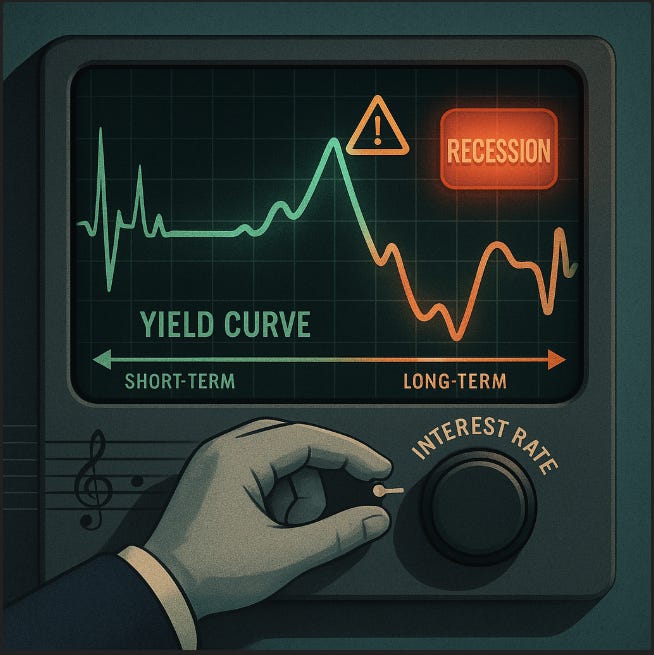
Imagine the yield curve as the electrocardiogram of the economy: each fluctuation is a market expectation heartbeat. When the curve slopes upward – investors demand a reward for future risk. When it inverts – that's the erratic heartbeat of an economy on the verge of recession.
For decades, the Fed could turn the “volume knob” on short-term interest rates – but the long-term background music was left to the market to conduct. The Fed's baton never reached the end of the score. And that's why “Yield Curve Control” (YCC) was seen as a wartime legacy – used only when no other options remained.
But what would happen… if the U.S. government decided to rewrite the entire melody?
In July 2025, amid surging long-term yields, escalating public debt, and suspicions of China dumping U.S. bonds, Treasury Secretary Scott Bessent didn't wait for the Fed. He launched a “technical repurchase” program worth hundreds of billions of USD – unnamed, no press conference – but powerful enough to reshape the entire long-end of the yield curve
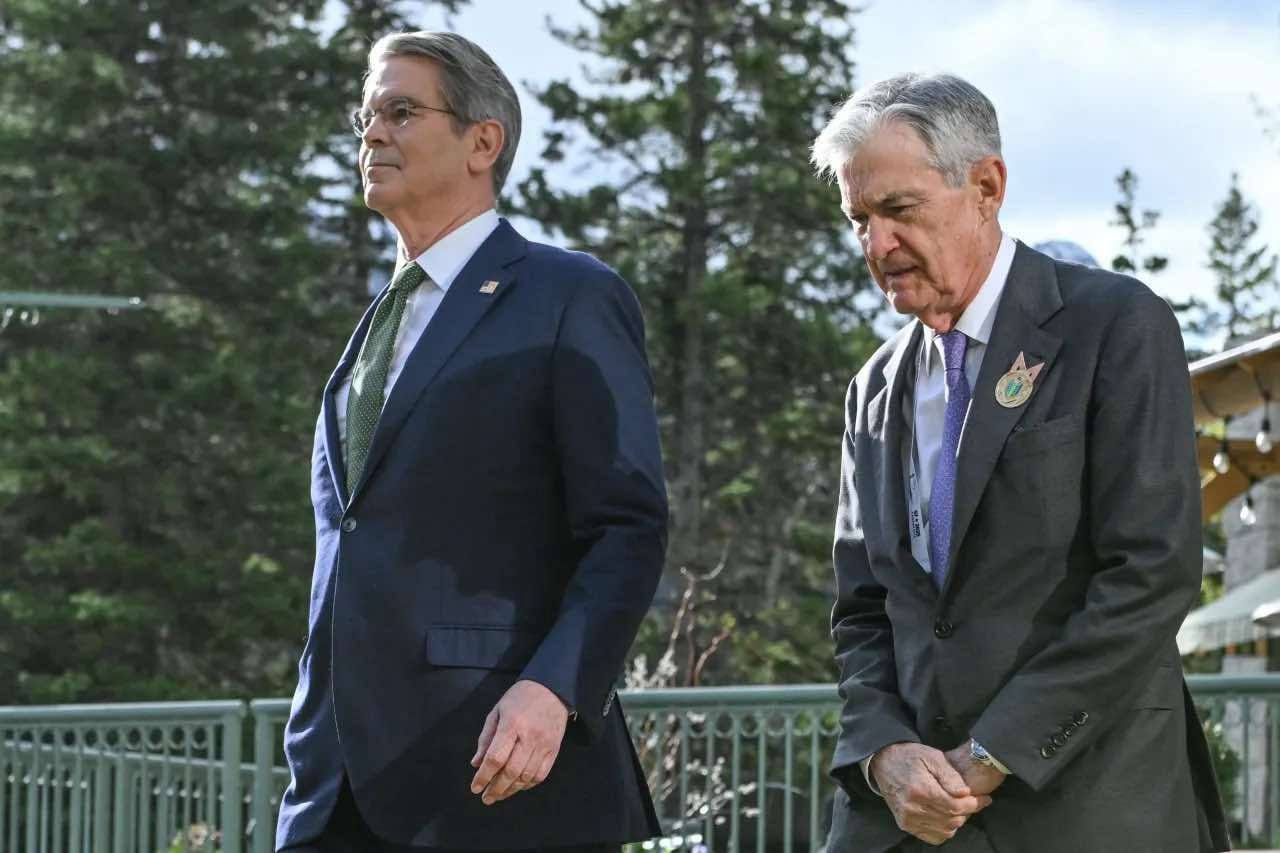
While the Fed let bonds mature, Bessent quietly sucked 10–30 year maturities out of the market. While Powell stayed silent, the Treasury proactively anchored yields by hand. And while the market still awaited a declared “QE” or “YCC”, in reality – Yield Curve Control had already begun – without needing to be named.
In today's article, Viet Hustler will trace the following questions with you:
Why can the Fed control the short-end but is powerless against the long-end – and when must the government intervene?
Trump–Bessent: Is the U.S. secretly implementing an “undeclared YCC”? And what are its limits?
Why was YCC once a wartime tool – and why is it returning in peacetime… but unstable times?
If the USD loses market signals, and U.S. public debt relies on 3–6 month T-bills, who will bear the risk?
And the final question: is the Fed still independent – or has it become a listener in a politically arranged symphony?