If you missed the best recent articles:
“Everything starts with compute.” - Sam Altman.
OpenAI has officially entered a new era. No longer just a software company, they are building a global power grid for artificial intelligence.
Ambition: create 1 gigawatt of new computing capacity every week – equivalent to the power output of 10 small power plants, or enough energy for 750,000 households.
This is the Manhattan Project of the digital age - but without atomic bombs, just GPUs and private investment capital.
Total estimated cost $400–500 billion, more than 10 times the Manhattan Project if adjusted to today's value.
But this time, it's not the US government but a private startup spending money to rewrite the world's energy map.
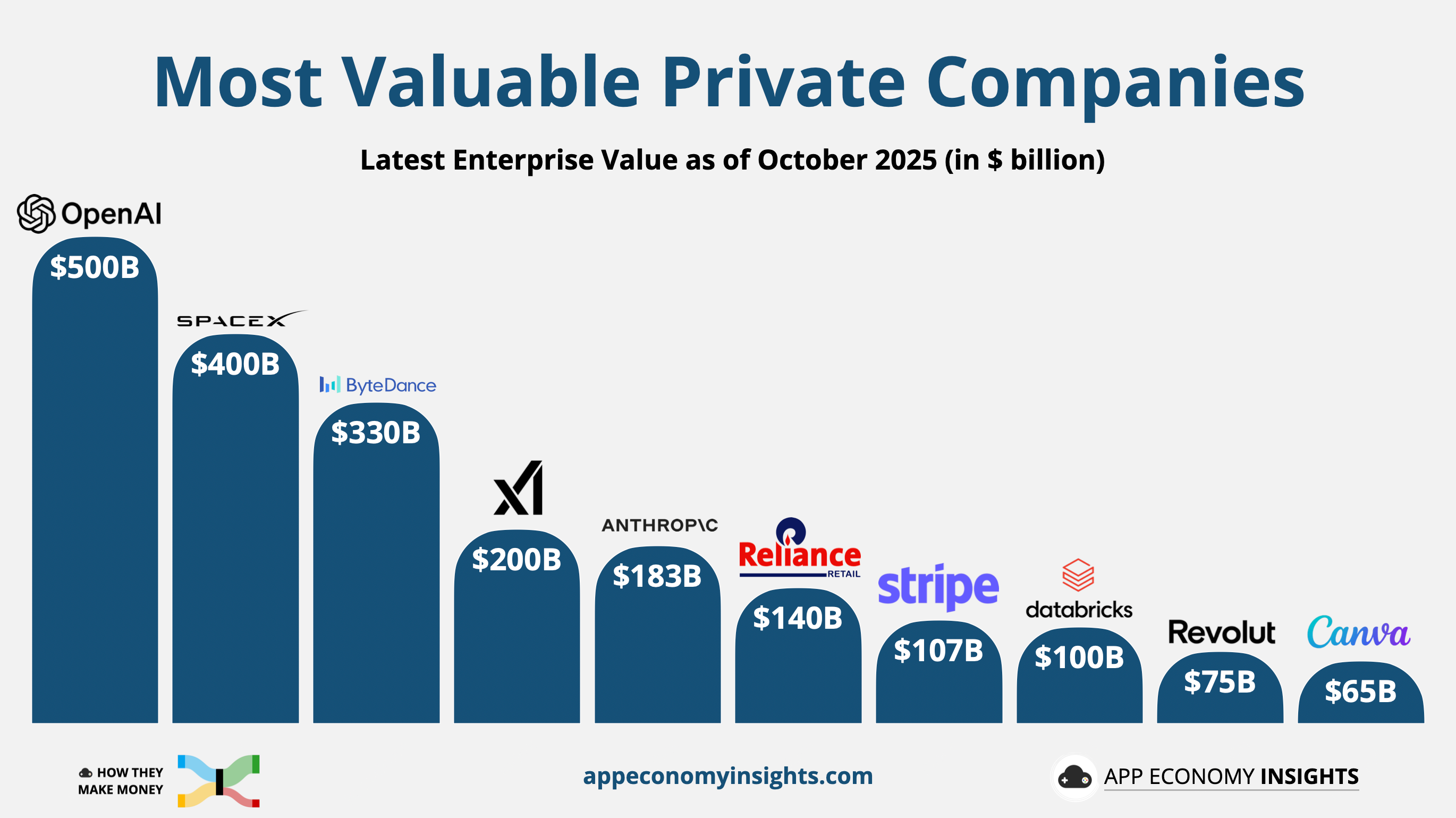
In October 2025, OpenAI reaches $500 billion valuation, surpassing SpaceX and ByteDance, becoming the world's most valuable private company.
But Sam's vision doesn't stop at ChatGPT or language models.
OpenAI is turning ChatGPT into a global commerce platform - where users can buy, order, and pay right in the conversation.
But to achieve that, OpenAI needs something that all AI models crave: energy and silicon.
To serve billions of inference requests per day, OpenAI needs an unprecedented AI Power Grid.
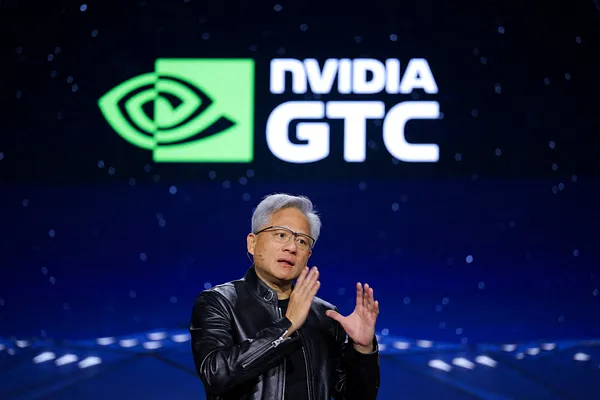
This forces the company to partner with NVIDIA in a $100 billion deal, paving the way for a bold financial and technical model – and now a new deal with AMD, where OpenAI could hold up to 10% stake.
The AI game is now no longer about data or algorithms – but megawatts, money (capital), and moats (competitive advantages).
ChatGPT and the Ambition to Commercialize AI
The OpenAI - NVIDIA Handshake
When Oracle and AMD Enter the Game
The Power Moat: Why Electricity is AI's Sustainable Competitive Advantage
The Cash Chasm – When Capital Cycles into Energy
China's AI Strategy: 'Think Small to Win Big'
The End of the AI Capex Race