MARKET KNOWLEDGE

EBT, EBIT and EBITDA: Tools for evaluating business operational efficiency

Analysis and comparison of 3 important financial indicators used to evaluate profit and operational efficiency of enterprises: EBT, EBIT and EBITDA.


In the world of financial accounting, there are a few important financial indicators used to evaluate a company's profit and operational efficiency. The three commonly used metrics are EBT (Earnings before taxes), EBIT (Earnings before interest and taxes) and EBITDA (Earnings before interest, taxes, and depreciation). Although all three metrics provide detailed information about the company's income, they differ in how they exclude expenses.

In this article, Viet Hustler will explore with you the differences between EBT, EBIT and EBITDA, helping readers use these indicators when evaluating a business's operational efficiency.

Viet Hustler is a reader-supported publication. To receive new posts and support my work, consider becoming a free or paid subscriber.
1. EBT (Earnings before taxes - Earnings before taxes)

Earnings before taxes is an item on the company's income statement.

EBT measures company's profit (revenue minus all expenses), but before deducting taxes income:

EBT = Revenue - Cost of goods sold - Operating expenses - Other expenses + Other income

  • EBT is the indicator closest to net profit, only adding taxes:

    • Net profit = EBT - Tax

    • Effective tax rate (Effective tax rate) = (Tax / EBT) * 100

    • Pre-tax profit margin = EBT / Market capitalization

    • => EBT helps compare businesses with the same business model across different countries more accurately because it eliminates the impact of taxes

EBT is the indicator that Warren Buffet loves to use to calculate the profit obtained when buying stocks/ acquiring the entire business because:

  • All investments on the market are offered on a pre-tax basis (except for tax-exempt investments)

  • Therefore, using EBT allows Warren to compare one business/ one investment with other investments…

FYI: When Warren bought tax-exempt bonds of the Washington Public Power Supply System (WPPSS - Washington Public Power Supply System) worth 139 million USD, the investment brought him 22.7 million USD in tax-free profit in 1 year. He argued that:

  • The after-tax income of 22.7 million USD is also equivalent to pre-tax profit ~45.6 million USD

  • To buy a business with pre-tax profit ~45.6 million USD, he would need to spend from 250 to 300 million USD

  • => Therefore, he viewed the WPPSS bonds (only at 139 million USD) as equivalent to the investment in the above business (which actually requires 250 - 300 million USD) at a 50% discount.

Warren Buffett: The BOND King? (17% per year returns) - YouTube

2. EBIT (Earnings before interest and taxes - Earnings before interest and taxes)

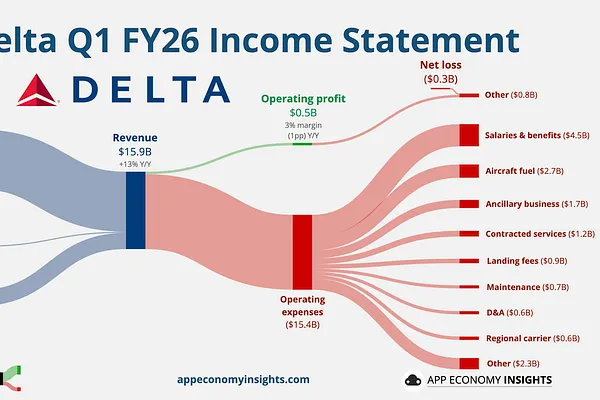
EBIT represents company's profit before deducting interest and taxes:

EBIT = Revenue - Cost of goods sold - Operating expenses

  • EBIT provides a measure of a company's profit only from core operations, excluding the impact of interest and taxes.

  • EBIT is a broader measure of EBT, when: EBIT = EBT + Interest expense

The meaning of EBIT in analysis

By eliminating 2 expenses:

  • Interest expense related to debt (i.e., capital structure), and…

  • Tax expense related to taxes (whether the business receives tax incentives or not?)

=> EBIT giúp tập trung vào khả năng tạo ra thu nhập từ hoạt động kinh doanh cốt lõi của doanh nghiệp.

EBIT giúp nhà đầu tư xem xét:

  • Khả năng doanh nghiệp kiểm soát các loại chi phí hoạt động ra sao?

    Thể hiện qua:

    • Tỷ lệ lợi nhuận trên vốn sử dụng (Return on Capital Employed - ROCE) = EBIT / (Tổng tài sản - Nợ ngắn hạn)

  • Hoạt động cốt lõi của doanh nghiệp tạo ra lợi nhuận như thế nào khi không phải lo lắng về thuế và lãi vay?

  • Liệu doanh nghiệp có tạo ra thu nhập đủ để sinh lời, trả nợ và tài trợ cho các hoạt động khác đang diễn ra hay không?

    Thể hiện qua:

    • Tỷ lệ thanh toán lãi vay = EBIT / Chi phí lãi vay

Ứng dụng của EBIT trong phân tích tài chính

  1. EBIT margin

  • EBIT margin (Biên lợi nhuận trước lãi vay và thuế) là một chỉ tiêu tài chính, thể hiện hiệu quả quản lý các chi phí hoạt động của doanh nghiệp (bao gồm: giá vốn hàng bán, chi phí bán hàng, quản lý doanh nghiệp…)

EBIT margin = EBIT / Doanh thu thuần

  • Ý nghĩa: 1 đồng doanh thu thuần doanh nghiệp tạo ra bao nhiêu đồng lợi nhuận trước lãi vay và thuế (EBIT).

    • Doanh nghiệp có EBIT margin cao (>15%), và duy trì trong nhiều năm, thường là những doanh nghiệp có khả năng kiểm soát chi phí tốt.

    • Ví dụ EBIT margin của Apple (tính đến tháng 9/2023):

    • FYI: <1% các công ty S&P500 (không bao gồm tài chính và bất động sản) duy trì EBIT margin trên 50% trong 5 năm liên tiếp kể từ năm 1985.

Image
  1. Mô hình Dupont 5 nhân tố: Mối liên hệ giữa EBIT và ROE

Mô hình Dupont 5 nhân tố giúp nhà đầu tư cũng như chủ doanh nghiệp hiểu rõ hơn về các yếu tố ảnh hưởng đến kết quả kinh doanh của doanh nghiệp.

  • Trong các chỉ tiêu tài chính, tỷ suất lợi nhuận trên vốn chủ sở hữu (Return on Equity - ROE) là một trong những chỉ tiêu quan trọng nhất.

    • ROE đánh giá khả năng sinh lời 1 đồng vốn chủ sở hữu bỏ ra sẽ mang về bao nhiêu đồng LNST?

  • Để tìm hiểu các yếu tố ảnh hưởng đến ROE của doanh nghiệp, chúng ta sẽ phân tích ROE thành 1 chuỗi các tỷ số tài chính như bên dưới:

DuPont Analysis | Formula + Ratio Calculator

=> Bằng việc phân tách này, nhà đầu tư có thể biết được nhân tố chính nào đứng đằng sau, ảnh hưởng đến kết quả kinh doanh của doanh nghiệp.

  • Nhà đầu tư sẽ biết được doanh nghiệp đã tăng ROE thông qua việc:

    • Nâng cao đòn bẩy tài chính: tăng tổng tài sản / vốn chủ sở hữu (Total assets / shareholder’s equity)

    • Cải thiện hiệu suất sử dụng vốn: tăng doanh thu / tổng tài sản vốn (Revenue / Total Assets)

    • Tăng doanh thu hay giảm chi phí

Trong 5 nhân tố trên, có 2 cấu phần liên quan tới EBIT:

  • Lợi nhuận trước thuế / EBIT: Hệ số Gánh nặng lãi vay (Interest Burden – IB).

    • Đây chính là yếu tố Pre-tax income / Operating Income kể trên.

    • IB của doanh nghiệp lớn nhất khi không có các khoản thanh toán lãi vay cho chủ nợ (không vay nợ).

      • Giá trị cao nhất và tốt nhất mà hệ số này có thể có được là 1.

    • The lower the financial leverage, the higher the IB ratio, and the smaller the financial risk for shareholders.

  • EBIT/Net revenue: (or EBIT margin, Operating profit margin…)

    • is the factor Operating income / Revenue mentioned above

    • As presented above, this indicator reflects how well the enterprise controls various costs

  1. EV/EBIT ratio

Besides the applications mentioned above, EBIT is also used in business valuation through the EV/EBIT ratio.

  • The ratio is calculated by dividing the Enterprise Value (EV) by the company's EBIT.

Where:

  • Enterprise Value (EV – Enterprise Value) is the total value of the enterprise, regardless of its capital structure and excluding cash:

    EV = (Stock price x Number of outstanding shares) + Short-term and long-term debt + Minority shareholder interests + Market value of preferred stock – Cash and cash equivalents

  • The EV/EBIT ratio is used to compare the total value of a business with the annual EBIT profit it generates.

    • EV/EBIT indicates how long it takes to recover the cost of acquiring the business at a constant EBIT level.

  • EV/EBIT is compared with companies in the same industry, and investors will prefer companies with lower EV/EBIT ratios.

Examples of companies with high - FasterCapital

3. EBITDA - Profit before interest, taxes, and depreciation

EBITDA is the abbreviation for Earnings Before Interest, Tax, Depreciation and Amortization, or Profit before interest, taxes, and depreciation.

  • Depreciation: depreciation of tangible assets (equipment, tools, factories, machinery…)

  • Amortization: amortization of intangible assets (patents, trademarks…)

=> EBITDA eliminates the impacts from accounting and financial decisions (depreciation methods):

  • Allowing investors to focus more on the actual profit and business efficiency of the enterprise.

  • EBITDA can be considered as cash flow received, because depreciation (non-cash expense) is added back to EBIT.

EBITDA = Revenue - Cost of goods sold - Operating expenses + Depreciation

= EBIT + Depreciation

The significance of EBITDA in financial analysis

The EBITDA indicator is favored by many investors because it more clearly reflects the company's operating situation.

EBITDA removes expenses that may obscure the real progress in the company's business results.

  • Interest expense (Interest): Interest needs to be excluded because it depends on the company's financial structure.

    • Different companies have different capital structures, resulting in different interest expenses. The more debt, the higher the interest expense.

    • Interest is also a tax-deductible expense, used by many companies as a “tax shield”.

  • Tax (Tax)

    • Corporate income tax can vary greatly, depending on profits and losses from previous periods; this volatility can distort actual net profit

    • Tax rates can differ depending on the region and industry in which the business operates.

  • Depreciation and Amortization (Depreciation and Amortization)

    • EBITDA eliminates subjective and arbitrary factors in depreciation calculation such as: assumptions about useful life, residual value, or different depreciation methods

  • => By excluding these factors, EBITDA makes it easier to compare profits between different companies, even across industries.

Applications of EBITDA in investing

  1. EBITDA margin

  • EBITDA margin is also used in analysis to compare a company over years or with other companies in the same industry.

  • EBITDA margin is determined by the formula:

EBITDA margin = EBITDA / Net revenue

  • Companies that maintain a high EBITDA margin for many years are often good companies: for example with Apple below…

  1. Net Debt / EBITDA ratio (Net Debt/EBITDA)

  • Metric Net Debt / EBITDA will indicate how long a company needs to operate (at the current EBITDA level) to be able to pay off all its debt!

  • The formula is as follows:

Net debt ratio = Net Debt / EBITDA

Where:

  • Net Debt = Short-term debt + Long-term debt (more carefully, you also subtract Cash and cash equivalents)

  • A low Net Debt / EBITDA ratio is generally preferred because it indicates that the company is not over-leveraged and has sufficient ability to meet its debt obligations.

  • If the Net Debt to EBITDA ratio is high, it shows that a company is burdened by debt.

    • Especially, if the Net Debt to EBITDA ratio is above 4 or 5, this is considered a red flag warning of danger for investors.

  • Of course, this ratio varies significantly between industries, as different industries have different capital requirements.

    • Therefore, this metric is best used to compare companies within the same industry.

  1. EV/EBITDA ratio

  • The EV/EBITDA ratio is also a commonly used tool in stock valuation.

  • Like EV/EBIT, investors will look for companies with the lower EV/EBITDA the better, and avoid stocks with excessively high EV/EBITDA.

FYI: Why doesn't Warren Buffett like EBITDA?

Warren Buffett is famous for not liking to use EBITDA in evaluating a company's operations….

  • …. even though EBITDA is used by many securities companies and investment funds in related metrics to evaluate and value companies.

He once shared that:

“I'm quite surprised by the popularity of using EBITDA. People try to beautify financial reports with this metric.”

He pointed out:

  • Assets, equipment, or patents, inventions, copyrights… they all come from some capital source in the past.

  • The costs were spent from the beginning. It's just that they are depreciated gradually over time rather than recognized all at once.

  • The mistake of using EBITDA is removing depreciation expenses. Meanwhile, this is one of the factors that make up the company's value.

  • Although depreciation expense is not actually a cash outflow (non-cash outflow). But in reality, it reduces the total asset value of the company

EBITDA: What does it say about my company's financial health?

Conclusion

EBT, EBIT, and EBITDA are 3 important financial metrics used to evaluate a company's profitability and operational efficiency. Each metric has its own strengths and weaknesses, suitable for different analysis purposes.

While EBT shows profit after deducting all expenses but before taxes, helping to compare companies across countries and calculate profit in M&A, EBIT focuses on the ability to generate income from core business operations, eliminating the impact of interest and taxes. EBITDA is favored by many investors as it clearly reflects the company's operational situation by removing the impact of accounting and financial standards.

However, investors need to use EBT, EBIT, and EBITDA cautiously, combining them with other financial data and evaluating the quality of corporate governance to make accurate assessments of the company's financial situation and profitability.

Viet Hustler is a reader-supported publication. To receive new posts and support my work, consider becoming a free or paid subscriber.
Login to read the full article

Create an account to access premium content.

0

Comments (0)

No comments yet

Be the first to comment