If you missed the best recent articles:
Cash is the traditional payment method of businesses to suppliers, government, and employees. However, in the US, more and more public companies are switching to paying salaries in stock, turning employees into shareholders.
According to Equilar, more than 50% of S&P 500 companies are using this form, sparking much debate among investors. Some support it for long-term benefits, while others worry about potential risks. What makes this financial tool so controversial?
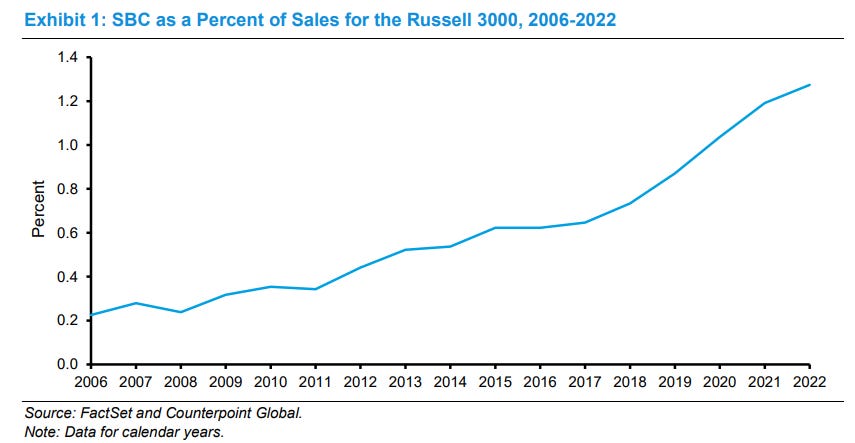
On the other hand, stock buybacks – a popular way to return capital to shareholders – are also attracting attention. Goldman Sachs forecasts that the amount of stock buybacks in the US will exceed 1 trillion USD in 2025, thanks to strong growth from tech companies and low interest rate policies. But is this a positive signal, or a risk to be wary of?
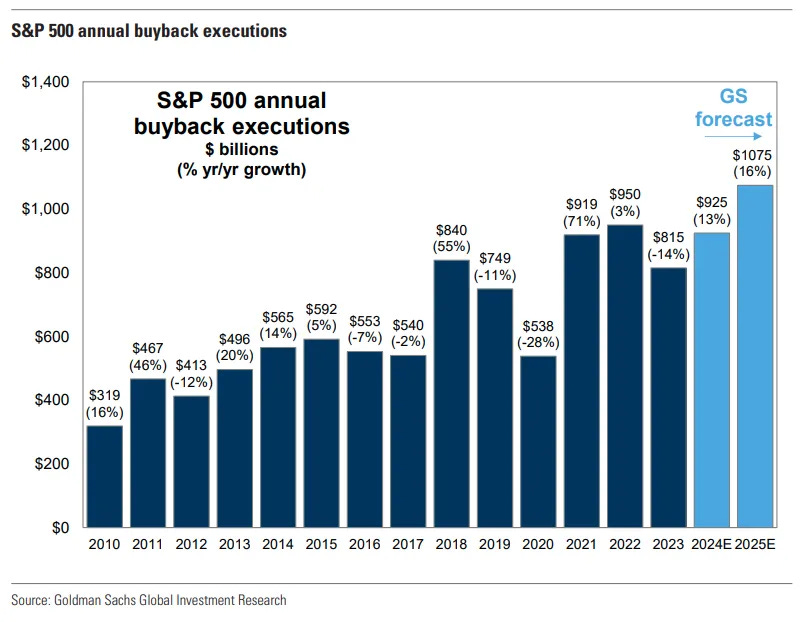
This article will analyze the mechanisms, benefits, and limitations of stock-based compensation (SBC) and stock buybacks of businesses, helping you have a clear perspective and make informed decisions.
A. Stock-Based Compensation (SBC) - When Employees Are Also Shareholders
Concept of stock-based compensation, impact on shareholders
Types of stock-based compensation
Benefits of stock-based compensation
Limitations of stock-based compensation
Metrics to help investors evaluate the impact of SBC activities
B. Share Buybacks and Dividend Payments - 2 Options, 1 Purpose
Dividends - Traditional Capital Return Method of Businesses:
Dividend Classification: Cash and Stock
Process of Approving Dividend Policy
Analysis of the pros and cons of dividend payments: for shareholders and the business
Stock Buybacks - When Businesses Choose to Invest in Themselves
Stock Buyback Process
Benefits of Treasury Share Purchases
Limitations of Treasury Share Purchases
Dividends or Stock Buybacks: Which Path Should Businesses Choose?
Which Policy Should Investors Choose for Businesses?