Rally ends, NASDAQ turns red, SPX tries to hold put wall 4450
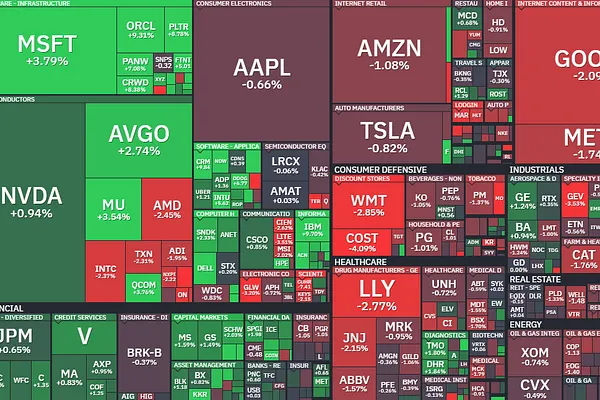
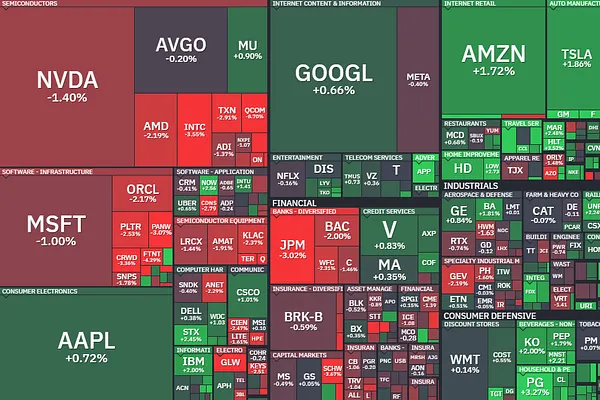
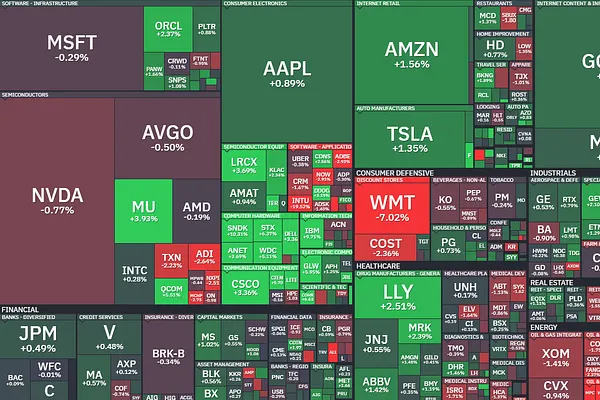
After closing above the important call wall 4500 yesterday, SPX immediately gapped down in the morning, losing the important level. Most of the morning de-risk activity came from tech stocks that had been pushed up quickly in the past 2 months due to call gamma flow now expiring.
Panic began to spread across the market after about the first hour of trading when investors realized the severity of the strike protest by the 3 largest US automakers. Energy and consumer stocks began to face strong pressure, leading to volatility rising in the morning, followed by strong put hedge demand lasting until this afternoon.
Overall, today's OpEx is the largest September OpEx in history with most Options expiring being index.
SPX continues to hold the important put wall level below at 4450. Currently, this is the key level determining bias until next week's FOMC with little support below 4450.
Strike protest could affect 146,000 jobs
Union of Auto Workers (UAW) officially launches strike today with 12,700 workers from Ford, GM and Stellantis, affecting 46% of total US auto production.
Union's demands this time are 'unacceptable' - according to MS
Inflows into Money Market Funds continue to rise sharply
Large capital flows continued into money market funds (17.7 billion USD) last week as banks demanded more from the Fed's Emergency Fund, pushing total assets to a record high of 5.642 trillion USD, marking 8 consecutive weeks of increases.
Once again, inflows mainly came from retail money market funds. Institutional funds also increased for 3 consecutive weeks.
Although there was a relatively large withdrawal from banks last week, the gap with money market fund assets remains very large.
Fed's emergency bank relief continues to rise reaching 108 billion USD.
Inflation expectations drop to lowest level in over two years
According to University of Michigan survey, inflation expectations dropped sharply to 3.1% as consumers became more optimistic about economic prospects. This is the lowest since early 2021. The 5-10 year ahead inflation rate is 2.7%, lowest since late 2020.
Nevertheless, consumer confidence index fell to 67.7, below market expectations.
Industrial production rises slightly vs expectations, despite significant auto production decline
Despite recession signals from ISM surveys, August industrial production still rose slightly +0.5% from previous month.
In August, auto production output fell significantly to -7.6% year-over-year.
Recently, Auto Workers Union (UAW) officially went on strike with 12,700 workers at three plants (Ford, General Motors and Stellantis). Estimated 46% of US auto production will halt → Auto prices rise. Shortly after, GM offered UAW a deal including 20% wage increase and other benefits to try to avoid the strike.
China cuts reserve requirement ratio. Economy shows signs of recovery
Yesterday, People's Bank of China PBOC lowered reserve requirement ratio (RRR) for most banks by 25bps. Weighted average RRR at banks will be 7.4%, effective from Friday. This is the second cut this year.
China's new credit loans surged in August due to sudden increase in new home purchase loans, leading to an increase to 3.12 trillion CNY in Total Social Financing.
Some other notable growth figures:
August retail sales +4.6%.
August industrial production +4.5%.
Fixed investment Jan-Aug +3.2%.
Real estate development investment Jan-Aug -8.8%.
However, youth unemployment rate reached record high 21.3% before government stopped releasing data.
Read more about China unemployment: here.
Output of key commodities rose in August, with oil processing and aluminum production both increasing significantly as economy shows recovery signs. Crude oil refining activity up 20% yoy to 64.7 million tons. Aluminum output up 3.1% to 3.6 million tons.
Meanwhile, new home prices in 70 cities, excluding state-subsidized housing, fell sharply 0.29% mom. Real estate investment and home sales remain weak, threatening overall economic growth.
Some other news:
Chip company Arm (owned by Softbank) shares up 25% on IPO debut after raising 4.87 billion USD, up 6% on second day.
Euro hits record low down 5.6% vs USD, marking 9 consecutive weeks of decline after ECB rate hike.


Comments (0)
No comments yet
Be the first to comment
Login to comment