Initial jobless claims rise to highest in two years
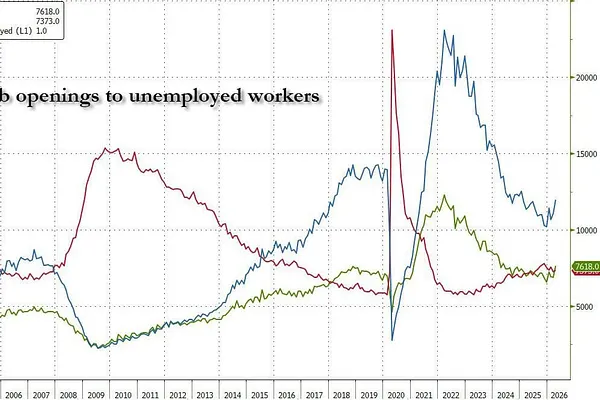
Initial jobless claims for the past week rose to +231,000, the highest since August (higher than expected: +220,000 and September figure: +218,000).
Notably, continuing claims rose to 1.86 million - the highest since November 2021.
Seasonal factors continue to negatively affect initial jobless claims.
According to Goldman Sachs, initial jobless claims are expected to rise further by +375,000 from now until March, accounting for the specifics of this time of year.
GS's seasonally adjusted estimate is also higher than the official figure.
=> Higher-than-expected jobless claims confirm that the labor market is gradually weakening!
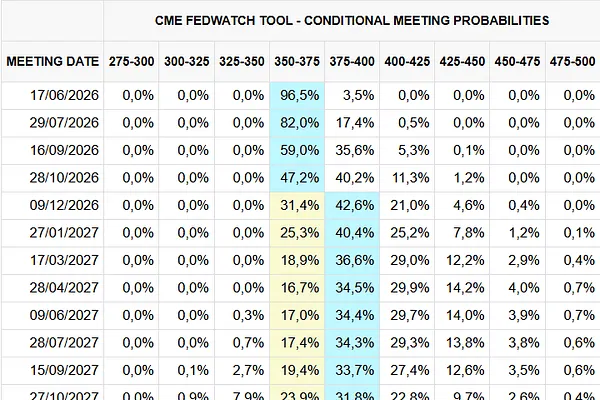
=> One of the drivers that could prompt the Fed to pivot early.
Industrial production falls sharply due to auto strike
After the surprise increase last month, industrial output fell sharply from the previous month -0.6% MoM, and quite low growth compared to last year -0.68% YoY.
Manufacturing Production output also fell sharply -0.7% MoM, the largest decline since March.
This overall decline mainly came from the auto manufacturing sector (-10% ) due to prolonged strikes.
Philadelphia Fed Index: Manufacturing activity continues to decline
November Philadelphia Fed manufacturing index -5.9, better than expected -9.0 but still low.
The future activity forecast index also shows weak growth prospects in the next 6 months.
Overall, indicators declined in November:
New orders and shipments both fell into contraction.
Employment and hours also declined slightly.
Empire manufacturing index data also reflects the same, with new orders and employment indices both declining in regional manufacturing activity.
Import prices fall for the first time in 4 months
Import price index fell -0.8% MoM in October (more than expected: -0.3%), mainly due to fuel import prices falling -6.3% MoM for the first time in 5 months.
→ Positive signal for curbing inflation.
Export price index fell -1.1% MoM, (more than expected -0.5%).
The reason is the USD appreciating quite strongly in the past October.
Alibaba ER: Stock slides due to US AI chip export restrictions
Revenue: +9% YoY, reaching 30.8 billion USD ($0.2B miss).
Operating profit +15% (+3pp Y/Y).
Alibaba says it will not spin off its cloud computing unit into a separate company (to compete with AWS and Azure) due to US AI chip export restrictions making it difficult for the company to find suppliers.
This news caused Alibaba stock to drop sharply in the trading session.
Cisco ER: Stock falls due to order volume not as expected
EPS: 1.11 USD (1.03 USD beat).
Revenue up 8% YoY, reaching 14.67 billion USD (expected 14.61 billion USD).
FY24 guidance:
Revenue 54.4 billion USD (~$57.6B previously).
EPS (Non-GAAP) 3.90 USD ($0.15 miss).
According to Cisco, FY24 guidance lowered due to slower new orders in the quarter as customers are "using the products delivered excessively over the past 3 quarters".
Some other news:
At the APEC summit, Xi Jinping met with US businesses and stated that China is ready to cooperate and become a reliable partner.
Just for fun: After 4 hours of talks, Biden still considers Xi Jinping a "dictator" when responding to reporters' interview.
Biden later explained that because China still follows communism with a completely different system from the US.
=> Summary of the number of times the word “dictator” was mentioned:
Home prices in China are falling at the fastest rate in 8 years.
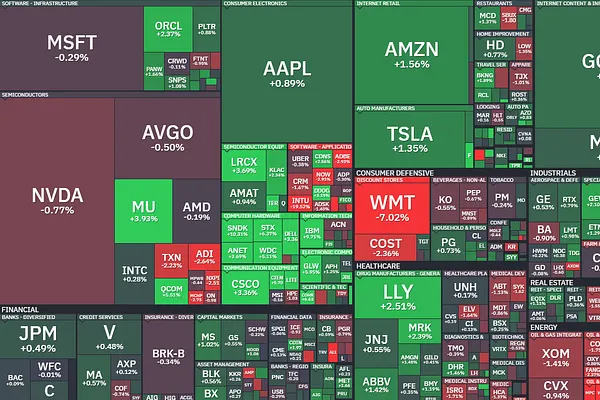
Walmart reports Q3 revenue higher than expected but stock still plunges due to concerns over weakening consumer outlook ahead of the holidays.
The 2023 Dubai Airshow brought Boeing three times as many aircraft orders as Airbus.


Comments (0)
No comments yet
Be the first to comment
Login to comment