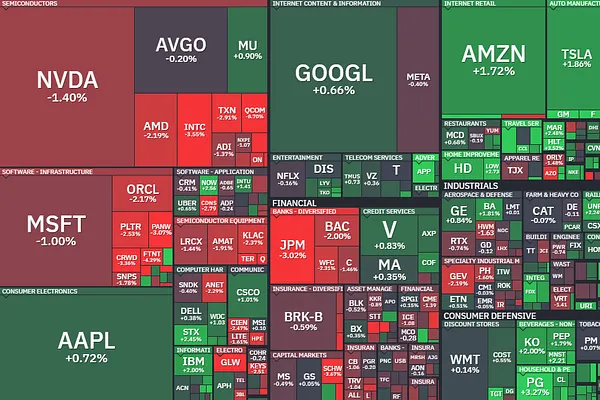
Political tensions not strong enough to block shorts-cover rally
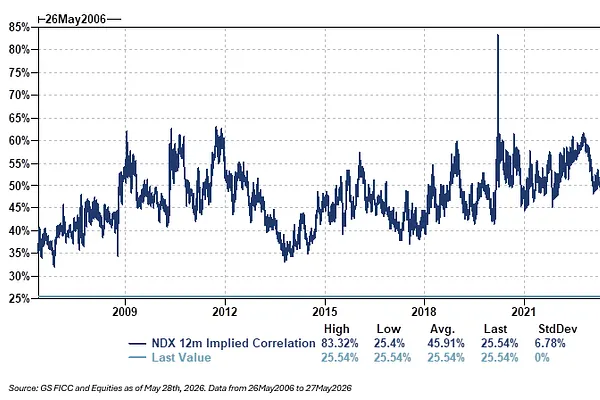
"Most of the hedge flow has been moved to the 11/17 expiration to cover FOMC, creating a gap for the market to continue short-term recovery early next week as pressure from gamma dealers eases, keeping volatility low. However, note the wildcard of bond yields with 10Y 5.00% level being assessed as the market's next panic level."
US stock market started the week's first trading session in quite a fearful mood ahead of Middle East war tensions. However, early morning fears were alleviated by the following reasons:
Israel-Hamas war has been ongoing continuously and has little impact on the overall global situation
War shows no signs of spreading to other countries
No threat to freedom of trade around the Suez Canal
The power balance between the two sides is too lopsided, war predicted to end soon
Oil prices, although surged strongly, cooled off in the morning
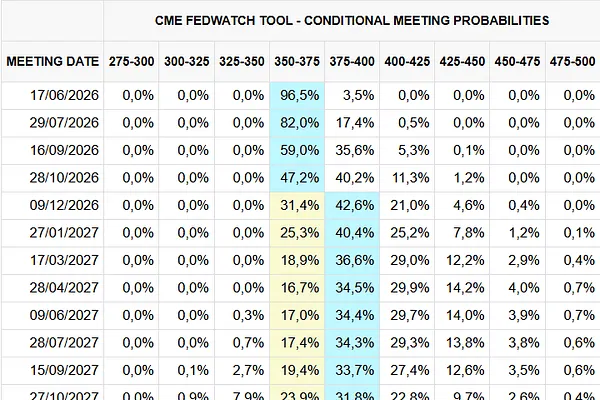
FED unlikely to accept risk of rate hikes amid political instability
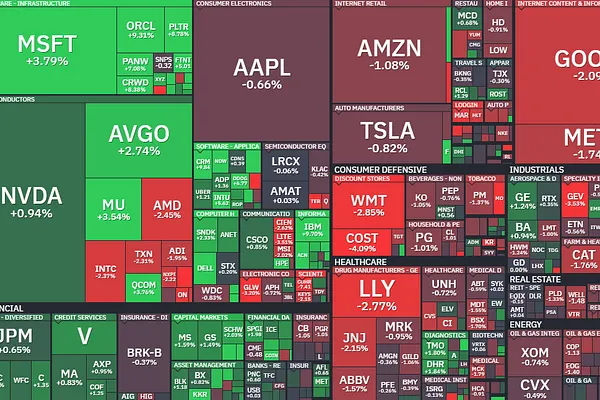
In addition, on Columbus Day, the bond market closed, creating a quiet period for investors, significantly improving cash flow. Overall, defense and energy stocks understandably rose strongly during the day. This buying force implicitly narrowed the buy/sell liquidity spread on both NYSE and NASDAQ, combined with the sharp drop in negative delta after last week's OpEx, pulling VIX down from just below 20, panic level, to Friday's close, bringing gamma back to positive territory as predicted on Friday.
Oil prices surge due to Middle East tensions, SPR oil reserves at historic low
WTI oil price surged above 87 USD/barrel after major conflict erupted between Palestine and Israel, reaching 52-week high.
WTI oil futures reach near $86/barrel.
Meanwhile, Strategic Petroleum Reserve SPR has only enough oil to sustain operations for another 17 days, the lowest in history. Current oil volume is only about half the average since 1990.
Goldman Sachs: Surging yields will boost growth without causing recession
Bond yields have been rising sharply over the past few weeks, with the 10-year bond yield up about 70bps from early September, reaching 4.80% last Friday. However, according to Goldman Sachs Group, this is still not enough to threaten a recession.
However, it cannot be denied that high interest rates are accelerating corporate bankruptcies. Corporate borrowing demand has dropped to levels seen during the 2008 recession, even 20% lower than during Covid, indicating corporate caution amid economic uncertainty.
Not to mention that securities debt and loans remain at record highs, pressuring both businesses and banks.
Mortgage rates continue to rise sharply, expected to hit 8% this week
30-year mortgage rate hit 7.93% last week, highest since July 2000. In less than 3 years, mortgage rates have multiplied several times (from 2.65% in Jan 2021), making home sales the lowest in over a decade.
Monthly home purchase payments have risen to a record 2,839 USD/month, nearly triple in just 10 years, surging after the Covid outbreak. Home buying is becoming
Events this week:
September PPI inflation index - Wednesday
Fed meeting minutes - Wednesday
September CPI inflation - Thursday
OPEC monthly report - Thursday
Unemployment claims data - Thursday
12 Fed speaker events
Other news:
4,000 UAW workers at Mack Trucks to strike on Monday.
The most serious conflict in 50 years between Palestine and Israel has erupted. The US sends its most advanced aircraft carrier strike group to the Eastern Mediterranean to support Israel.
Following the conflict news, gold and the USD both surged, becoming safe-haven investment channels.
HSBC buys Citigroup Inc's retail wealth management portfolio in China worth 3.6 billion USD.


Comments (0)
No comments yet
Be the first to comment
Login to comment