SPX loses 4300, tech continues to be sold off
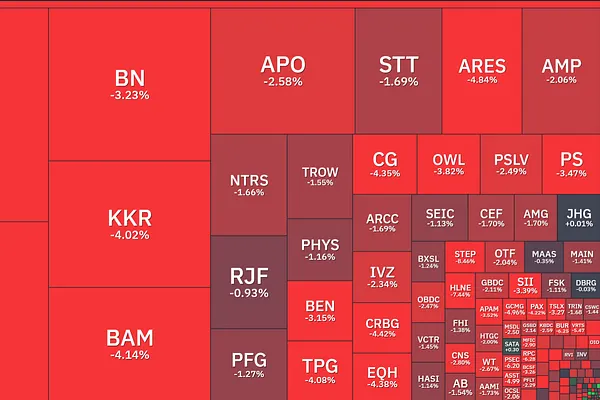
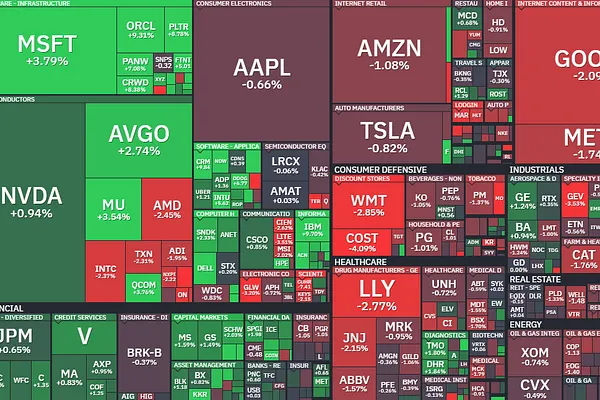
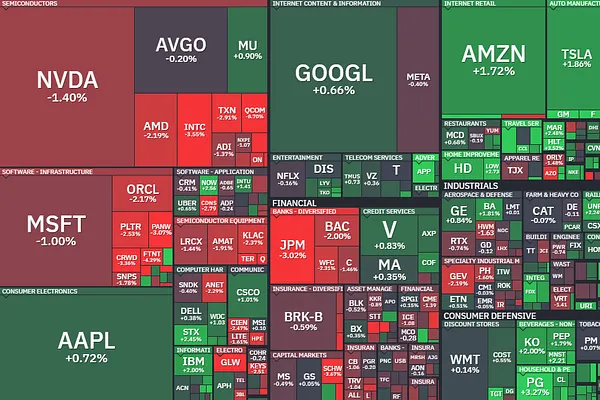
Market continues to weaken today after news of spending negotiations in Congress begins to show lack of prospects and bond yields reverse back to peaks right from the morning session. SPX loses 4300 with steadily increasing selling pressure, starting from tech and gradually spreading to all sectors. Demand for puts surges below SPX~4300 and only temporarily shows signs of stopping when Europe closes.
Congress has 5 days left to negotiate spending
US House Speaker Kevin McCarthy is considering cooperating with Democrats amid pressure of government shutdown in 5 days. Accordingly, both sides are trying to find a common agreement to "temporarily" allocate budget. Moody's warned this morning that it may downgrade US credit if the government shuts down.
Yields on bonds of various maturities return to peaks
Investors "rushing to find cash" pulls the dollar up for the 11th straight week.
If the US government really shuts down, pressure on the stock market will increase significantly as general interest rates will continue to burden the record borrowing needs of the US government next year. Therefore, Viet Hustler believes it's highly likely that leaders of both parties will reach an agreement before the end of Saturday, to at least temporarily allocate budget for a short period, avoiding pushing up bond yields as well as losing US credit. - Steve Le
Consumer confidence index drops as hopes fade
After reaching a 2-year high in July, the consumer confidence index has declined for 2 consecutive months.
Expectations for the next 6 months have fallen below the recession threshold of 80, reflecting concerns about business conditions, job prospects, and future income.
The measure of households' expected financial situation in the next 6 months is becoming increasingly worse.
The percentage of consumers who believe a recession is likely increased in September after decreasing in August.
People's savings drop sharply below the pre-COVID trendline and completely in the monthly decline zone.
Record high home prices despite rising mortgage rates
Case-Shiller home prices in July rose 0.9% from the previous month, marking a record high in history. Despite mortgage rates surging above 7.5% - the highest since 2000, home prices have risen for 5 consecutive months.
The three cities with the strongest home price increases are Chicago (+4.4%), Cleveland (+4.0%), and New York (+3.8%). Overall, home prices on the West Coast have bottomed out and are now recovering, Florida home prices are still declining, and in major cities prices haven't changed much.
However, new home sales in August declined
New home sales in August fell 8.7% from the previous month - the largest drop since September 2022
Although average home prices rose, the average selling price of a new home fell to 430,300 USD. However, this figure is still much higher than pre-pandemic levels.
One positive point is that housing supply has increased slightly.
Other news:
Global trade volume in July fell 3.2% year-over-year, the sharpest drop since August 2020 due to rising inflation, interest rates, and domestic spending.
US oil inventories have fallen ~47% to 22.9 million barrels in the first 3 quarters of the year - the lowest since July 2022. Official oil inventory data tomorrow will determine if oil rises to $100/barrel or not.
JPMorgan CEO Jamie Dimon: the world may not be prepared for the worst-case scenario of Fed rates reaching 7% along with stagflation.
Republican and Democratic party members are nearing an agreement on a short-term spending measure to avoid a US government shutdown on October 1.
Hedge funds cut stock leverage at the fastest rate since the 2020 crash


Comments (0)
No comments yet
Be the first to comment
Login to comment