MARKET DAILY

Market 07/09: Powell - balance of risks between Fed's 2 objectives

Powell's testimony session -- Successful 3Y bond auction -- NFIB small business optimism index for June improves -- Credit card debt surges unexpectedly.

Summary of Fed Chairman Powell's testimony session

  • High inflation is not the only risk we face:

    (“Elevated inflation is not the only risk we face,”)

    • labor market has cooled considerably (“cooled considerably”)
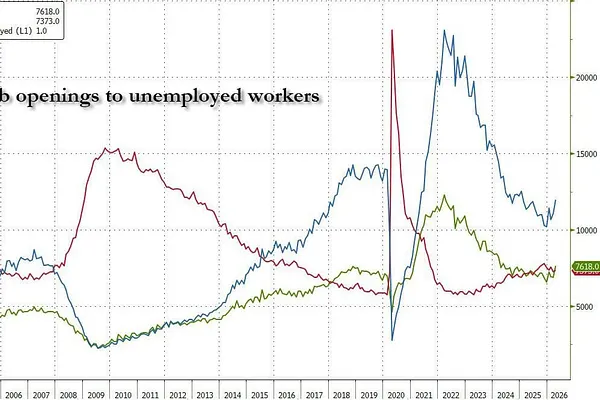
    • economy no longer overheating (“no longer overheated”)

  • Fed has moved towards balance between 2 risks (“2-sided risks”: i.e., inflation risk VS economic growth + labor decline) => therefore Fed will decide cautiously:

    • Easing too early and too aggressively could cause inflation to return.

    • But cutting rates too late could weaken the economy

  • After Q1/2024 data lacking conviction on inflation, recent data has shown modest further progress (“modest further progress”)::

    • More data needed for Fed to gain confidence that inflation is sustainably heading to 2%.

Viet Hustler’s opinion:

Overall, Powell's testimony clearly shows which of the 2 risks Powell (and Fed) is currently prioritizing more (“2-sided risks”):

  1. Escalating inflation

  2. Worsening labor market (accompanied by higher recession risk).

Previous phase clearly Fed prioritized curbing inflation: because “escalating inflation” risk was more important – while economy and labor market remained favorable.

But now: importance of Fed's 2 risks/objectives has balanced (“balance of risks”) due to:

  •  economy no longer overheating (“no longer an overheated economy”)

  •  labor market has normalized (“labor market appears to be fully back in balance” / “cooled considerably”)

=> this is the stance neutral but leaning dovish from Powell:

  • He cited both risks of cutting rates early VS late

  • but Powell seems to lean towards earlier rate cut possibility by deliberately emphasizing: labor market has balanced + economy has stopped overheating (a.k.a., no longer a buffer for Fed to confidently keep rates high).

(Linh Ha)

Statements by Treasury Secretary Janet Yellen

  • Labor market no longer driving inflation in the US economy

  • US President Biden has worked very effectively in the meetings she attended.


Favorable 58 billion USD 3Y T-Note auction

  • High Yield: 4.399% (market yield: 4.407% | previous session: 4.659%)

    => Stop-through: 0.8 bps

    • Bid-to-cover ratio at High Yield: 78.35% (previous session: 53.41%)

  • Bid-to-Cover: 2.67 (previous session: 2.43)

  • Competitive bid components:

    • Dealers: 14.78% (previous session: 19.96%)

    • Foreign investors: 63.97% (previous session 64.14%)


NFIB Survey: Small business optimism index for June continues to rise

NFIB small business optimism index rises to 91.5 (estimate: 90.2 | previous month: 90.5)

  • Hiring plans and long-term investment expectations unchanged

  • Expectations for economic conditions rise sharply (but still in contraction territory)

  • This increase was driven by business owners reporting inventories too low and planning to build them up + brighter economic outlook.

  • Inflation remains the top concern for small businesses in June

  • Labor quality is the second biggest concern


Credit card balances surge unexpectedly - credit card rates hit all-time high

May credit card debt rises 11.354 billion USD (>estimate: 8.85B | previous month: 6.485B) - largest increase since February

  • May Y/Y consumer credit growth ticks up slightly - but still fluctuating around historical lows

  • May revolving credit rises +7 billion USD, reversing the -0.9 billion USD decline in April and the largest increase since February.

  • Nonrevolving credit - including student and auto loans - rises modestly +4.3 billion USD (previous month: 7.3 billion USD)

  • Consumer credit card rates dip slightly in May (first decline since late 2021), but not meaningfully and still extremely high historically

  • Dollar Futures Index rises as consumers will soon withdraw money to pay debts (money supply decreases)

  • Consumer credit loan losses are one of 3 scenarios that could cause large bank losses according to Fed's 2024 Stress test:


Crypto Market: German government continues to transfer BTC to exchanges and market makers

  • German government transferred 6,300 BTC worth 360 million USD to Cexes and OTC services.

Image
  • According to Arkham Intelligence: German government still holds ~27,460 BTC worth 1.57 billion USD

US spot Bitcoin ETFs record largest inflows in a month

  • These 11 funds attracted 295 million USD on 07/08


Other news

  1. US Misery Index (Misery index = inflation + unemployment rate) rises to 7.4% in June from 6.8% in January.

  1. Boeing Q2 deliveries: 92 commercial aircraft and 28 defense aircraft

Image
  1. A United Airlines Boeing 757-200 lost a wheel seconds after takeoff from Los Angeles International Airport.

    • In March, Boeing had a similar incident

Image
  1. Moody's warns France that they could downgrade this country's outlook to negative if France does not improve its public debt servicing capacity

Image
  1. CalSTRS - California State Teachers' Retirement System has invested 200 million USD into Kennedy Lewis Investment Management, a private credit fund manager with AUM of approximately 16 billion USD

Login to read the full article

Create an account to access premium content.

0

Comments (2)

MX
Mù Xa Lý7/9/2024

Đồng ý với những ý của Linh Hà, tuy nhiên cắt giảm lãi suất sớm là bao nhiêu % cắt giảm? Có giống như nước láng giềng Canada không, khi chỉ cắt giảm.25% thì đó lại là bước thăm dò cẩn thận chứ không hề gây tác động gì với nền kinh tế.

❤ 2
LH
Linh Ha7/9/2024

Tầm này thì em nghĩ họ chỉ thăm dò như vậy thôi ạ. Trừ khi thất nghiệp tăng mạnh, gdp và lạm phát hạ nhiều thì mới cần hạ lãi suất quyết liệt.

❤ 1