
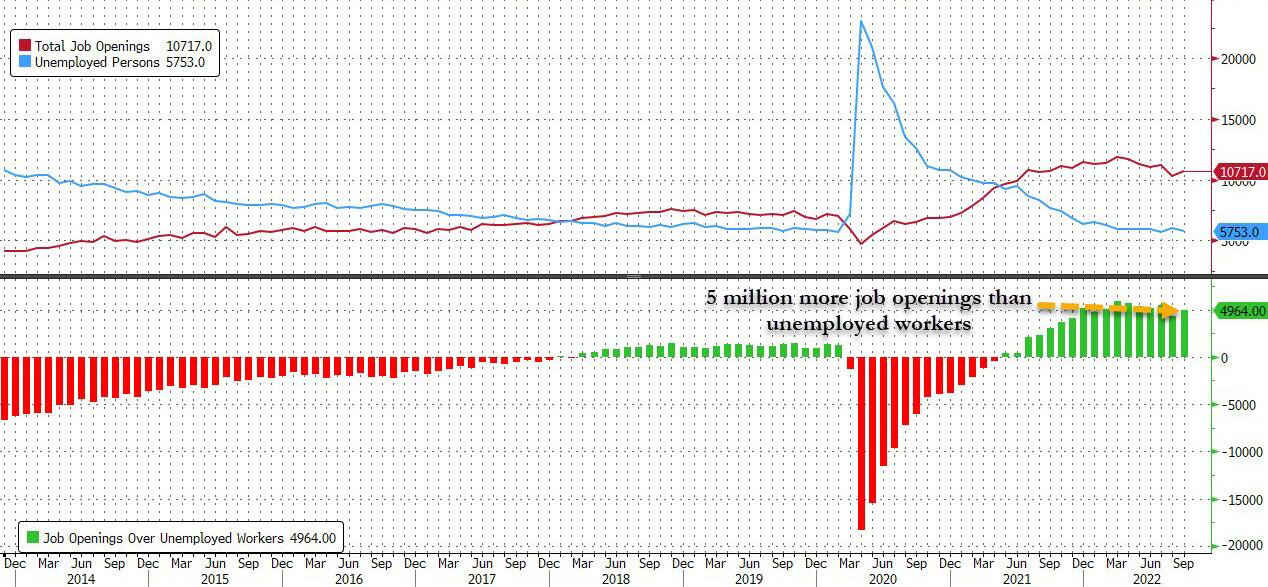
US stock market opens trading session with considerable fear ahead of today's FOMC as open jobs report and payrolls both show labor market continues hotter than expected with US companies adding 239,000 jobs in just October.

The above report along with open jobs data weighs heavily on investor sentiment as this number shows FED's efforts to contain the job market have not yet been effective and extinguishes hopes for an early pivot in the first half of 2023.
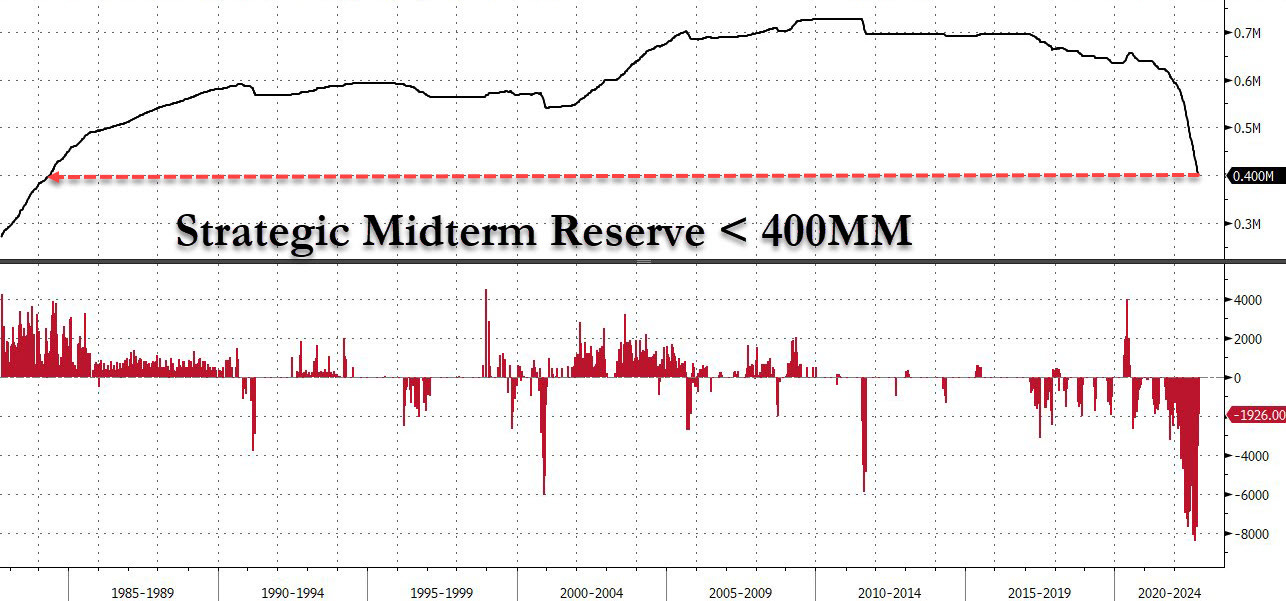
In addition, SPR crude oil reserve data this morning also shows only 400 million barrels left, hitting the lowest level since 1984 with WTI crude oil price continuing to rally after rumors of Iran preparing military plans with Saudi.
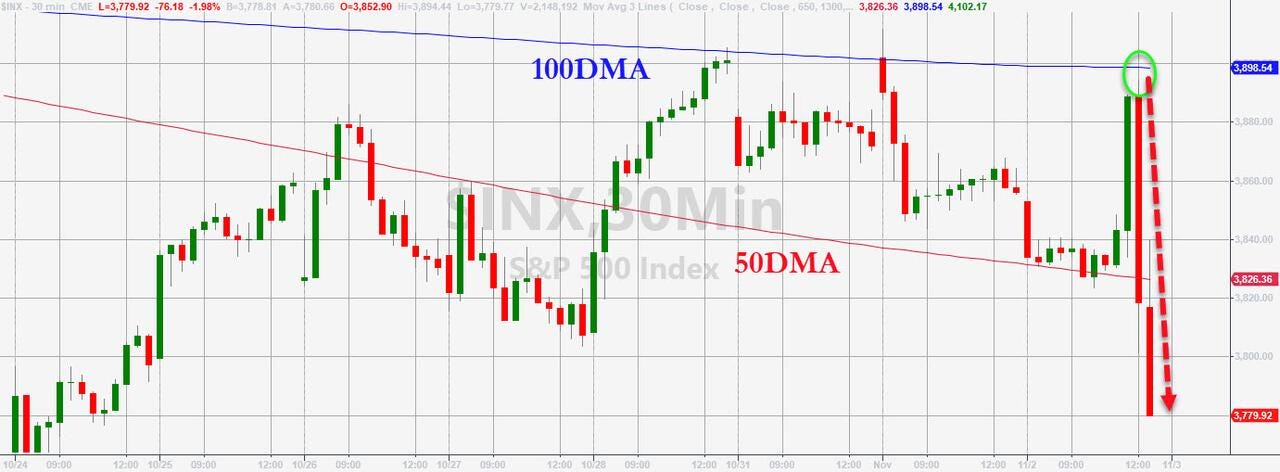
At FOMC, FED officially raises interest rates 0.75% as expected, helping market temporarily rally with SPY pushing up to 388, followed by Jerome Powell's speech:
“the labor market continues to be out of balance, with demand substantially exceeding the supply of available workers” - Labor market continues to put pressure on labor costs
“at some point” it will become “appropriate to slow the pace of increases.” - At some point FED will slow the rate increase process
“We have some ways to go," - FED's long-term interest rate target may be higher than expected
"The question of when to moderate the pace of increases is now much less important than the question of how high to raise rates and how long to keep monetary policy restrictive." - FED has not considered pivoting at all
"...pausing is not something we're thinking about..." - Not yet time to think about pausing rate hikes
Stock market reacts strongly after initial shorts-cover rally with S&P 500 hitting call wall 3900 and free-falling to 3760.
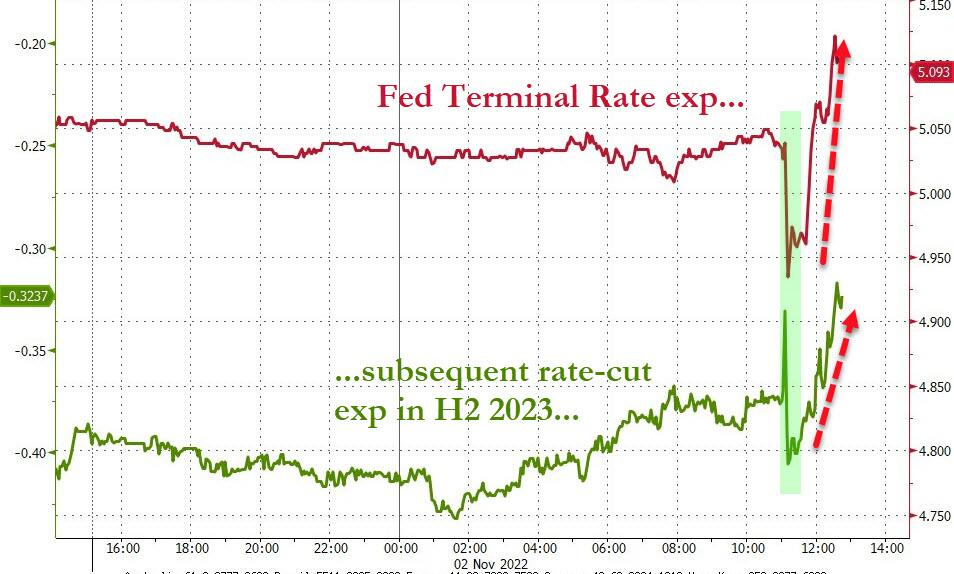
With long-term interest rate expectations turning back to 5.1%, indicating market sees rates still have over 1.00% to peak in 2023:
Overall, according to Viet Hustler's assessment, FOMC press conference content and Jerome Powell's speech show:
FED acknowledges many inflation assessment data are “lagging” and do not closely track real economic situation
However, inflation is starting to show signs of becoming “entrenched” in the economy and especially in “consumer expectation”
GDP and employment data show US economy has not yet shown real signs of entering recession, but there are many signs of interest rates' impact on financial conditions in many markets (real estate, credit, and bonds)
FED will continue to stick to the outlined interest rate policy to contain inflation with goal of bringing “real interest rates above 0%” - meaning interest rates must be higher than inflation rate.
Accordingly, slowing future rate hikes is to assess economic data (lagging indicator), not a policy change (pivot).
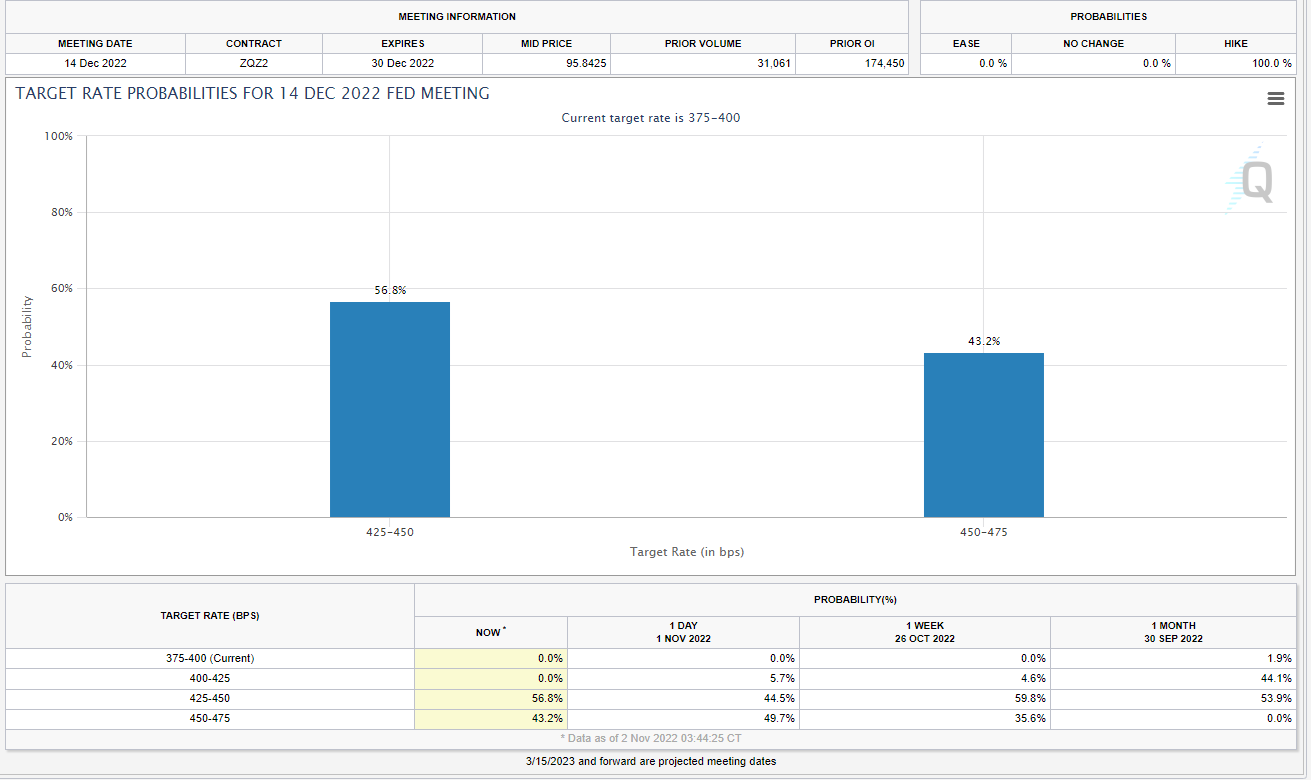
Accordingly, 56.8% of investors think FED will raise rates 0.5% on 12/14 instead of 0.75%
Comments (0)
No comments yet
Be the first to comment
Login to comment